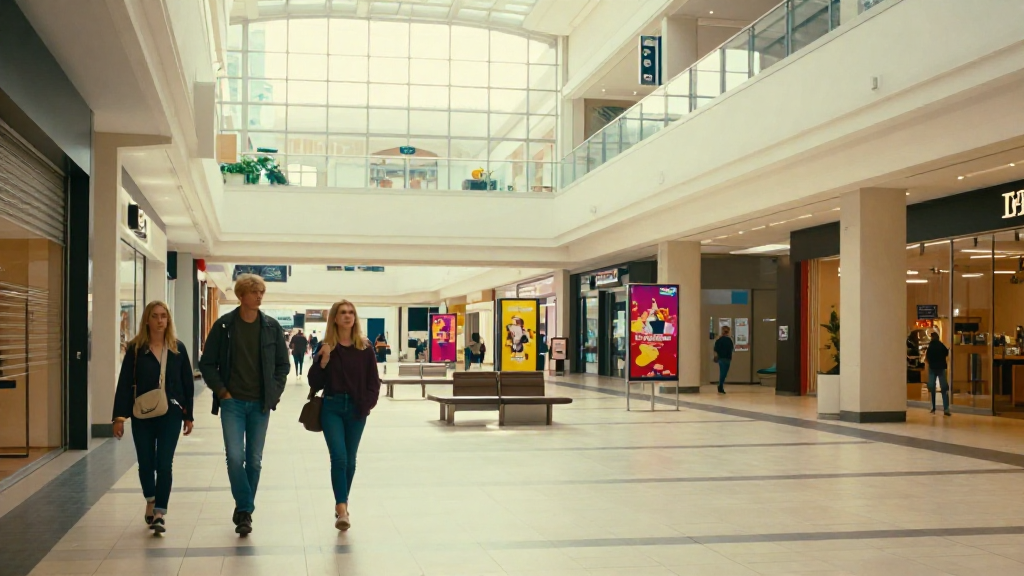
The question of why malls are failing has become a hot topic in retail discussions.
This article explores the myriad reasons for the decline of shopping malls and what it means for the future of retail.
What Are the Main Reasons Behind Mall Failures?
The decline of shopping malls can be attributed to several interconnected factors. Here are some of the key reasons why malls are failing:
-
Shift to Online Shopping
The rise of e-commerce has transformed the retail landscape.
Consumers can now purchase anything from groceries to clothing with just a few clicks, all from the comfort of their homes. -
Changes in Consumer Behavior
Modern consumers, especially younger generations, prefer unique shopping experiences.
Pop-up shops and local markets have gained popularity, providing alternative shopping experiences that traditional malls often lack. -
Economic Factors
Economic downturns can significantly impact consumer spending.
When people have less disposable income, they are less likely to spend money at malls. -
Over-Saturation
In some regions, there are simply too many malls competing for the same customer base.
Excess capacity can lead to lower foot traffic and, ultimately, mall closures. -
Anchor Store Closures
Malls often rely on large anchor tenants, like department stores, to draw foot traffic.
When these stores close, the mall suffers from both reduced traffic and a diminished appeal.
How Has Technology Influenced Mall Failures?
The technological revolution has dramatically altered the retail environment.
Here’s how it contributes to why malls are failing:
- Mobile Shopping Apps: With mobile apps like Amazon and eBay, consumers can browse a vast array of products while on the go.
- Price Comparison Tools: Shoppers can compare prices instantly and find better deals online rather than spending hours in a mall.
- Social Media Influence: Platforms like Instagram and Pinterest promote direct shopping experiences that bypass traditional retail spaces.
Is It Just About E-commerce?
While e-commerce plays a significant role in why malls are failing, it’s not the only factor affecting their viability.
Consider these aspects as well:
- Experiences over Goods: Consumers increasingly seek experiences rather than just products.
Malls that cannot offer entertainment, dining, or community events are at risk of losing their attractiveness. - Sustainability Concerns: More shoppers are prioritizing eco-friendly and sustainable shopping options, which many malls struggle to provide.
What About the Role of COVID-19?
The pandemic has further accelerated the decline of malls.
During lockdowns, retailers in malls faced severe restrictions, leading to permanent closures.
The impact of COVID-19 highlights:
- Rethinking of Retail Spaces: Many consumers now prefer shopping in safer, smaller environments rather than crowded malls.
- Changes in Work Patterns: The rise of remote work means less foot traffic from office workers who previously visited nearby malls during lunch breaks.
Are There Solutions for Mall Owners?
While why malls are failing is a pressing question, it’s not all doom and gloom.
Here are some potential solutions for revitalizing mall spaces:
-
Diversification of Offerings
Adding a mix of services such as fitness centers, co-working spaces, and unique dining options can attract more visitors. -
Community Engagement
Hosting local events, farmers’ markets, or art shows can create a sense of community and increase foot traffic. -
Enhanced Customer Experience
Improving customer experience, including offering tech-based solutions like mobile checkout and virtual reality experiences, can help attract shoppers. -
Leasing to Thriving Brands
Malls can pivot by leasing space to emerging brands or experiential establishments rather than traditional retail shops.
What Does the Future Hold for Malls?
The future of malls does not necessarily have to be bleak.
However, significant changes are needed to adapt to today’s retail environment.
Potential trends include:
- Hybrid Models: Malls could evolve into hybrid spaces that combine retail, entertainment, and community engagement, providing multifaceted experiences.
- Focus on Health and Wellness: As consumers become more health-conscious, incorporating wellness spaces like gyms, spas, and healthy eateries may attract a new customer base.
- Smaller Shopping Venues: The trend might shift towards smaller, localized retail versions that can cater specifically to community needs.
Conclusion
So, why are malls failing?
The decline is primarily driven by shifts in consumer behavior, the rise of e-commerce, economic factors, and changing lifestyles.
For malls to survive and thrive in the future, they must reinvent themselves and create experiences that attract modern consumers.
By understanding the reasons behind their struggles and implementing strategic changes, shopping malls can still play a vital role in retail.