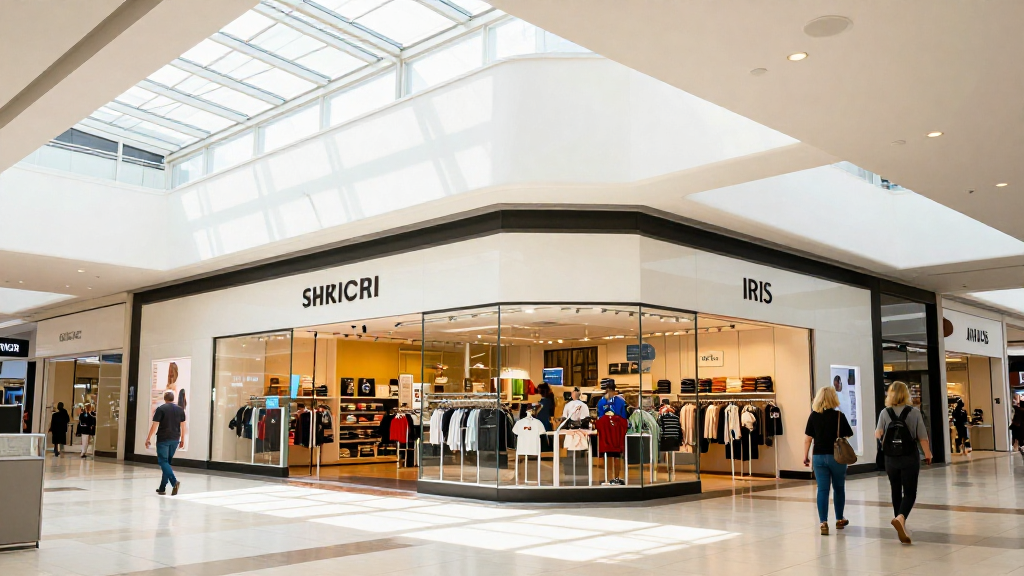
When exploring the anchor tenant meaning in a mall, it’s essential to understand the pivotal role these tenants play in retail ecosystems. An anchor tenant is a significant retailer that serves as a primary draw for shoppers, helping to boost overall foot traffic and attract other smaller retailers to the mall.
What is an Anchor Tenant?
An anchor tenant typically refers to a large retail store or chain that occupies a substantial space within a shopping center or mall.
These stores often include popular brands like:
- Department stores (e.g., Macy’s, Nordstrom)
- Large discount retailers (e.g., Target, Walmart)
- Grocery stores (e.g., Kroger, Whole Foods)
Due to their size and reputation, anchor tenants are critical for establishing a mall’s identity and driving sales.
Why Are Anchor Tenants Important?
Understanding the anchor tenant meaning in a mall requires recognizing their importance in the commercial landscape. These tenants benefit shopping centers in several ways:
- Increased Foot Traffic:
Anchor tenants attract a diverse customer base. Shoppers visit the mall specifically to shop at these large retailers. This influx can significantly increase foot traffic for smaller stores located within the same shopping complex.
- Enhanced Brand Image:
The presence of a well-known anchor tenant can enhance the brand image of the mall itself. Shoppers often perceive a mall with reputable names as a more desirable shopping destination.
- Lease Revenue:
Anchor tenants usually sign long-term leases, providing stable, consistent rental income for mall owners. This income helps sustain the mall and supports operating costs.
- Attraction of Complementary Stores:
With an increase in foot traffic driven by anchor tenants, smaller retailers are more likely to set up shop in the mall, enhancing the variety and appeal of the shopping experience.
How Do Anchor Tenants Influence Mall Design?
The anchor tenant meaning in a mall extends into the very design and layout of the shopping center. Developers often strategically position anchor tenants to maximize shopper flow within the mall.
- Location, Location, Location:
Anchor tenants are typically located near entrances or at the end of the mall corridor. This positioning allows them to catch the attention of shoppers immediately upon entering the space, encouraging them to explore other stores.
- Creating a Customer Flow:
Designers plan the layout to facilitate a natural flow of customer movement towards smaller shops. By anchoring the design around these larger stores, malls can optimize shopper engagement with various retailers.
What Are the Challenges for Anchor Tenants?
While the anchor tenant meaning in a mall shines a positive light on retail dynamics, several challenges affect these major retailers. Understanding these challenges is crucial for both mall owners and shoppers alike.
- Changing Consumer Habits:
Many consumers are shifting towards online shopping, challenging traditional anchor retailers to adapt. It’s crucial for these tenants to innovate, offering experiences or services that can’t be replicated online.
- Increasing Competition:
With the rise of e-commerce and new retail formats, anchor tenants face stiff competition from both online players and neighboring shopping centers. Keeping customer loyalty high is vital for their success.
- Economic Factors:
Economic downturns can significantly impact large retailers. Anchor tenants may face pressure in terms of sales fluctuations, affecting their ability to remain profitable and reliable partners for mall owners.
Are There Different Types of Anchor Tenants?
Yes, when discussing anchor tenant meaning in a mall, it’s worth noting that there are two main categories of anchor tenants:
- Fashion Anchors:
These are mainly clothing and fashion retailers. They focus on trends and styles and are vital for attracting younger demographics. Examples include brands like Zara and H&M.
- Non-Fashion Anchors:
These encompass a broad range of retailers outside the fashion realm, such as electronics stores (e.g., Best Buy) and grocery chains. Their significance lies in their ability to cater to specific consumer needs and preferences.
What Makes a Successful Anchor Tenant?
A successful anchor tenant exhibits several qualities that complement their role within the mall ecosystem. Here are some attributes that define an effective anchor tenant:
- Strong Brand Recognition:
This draws shoppers and solidifies the mall’s image.
- Diverse Product Range:
Offering a wide selection helps to fulfill various customer needs.
- Excellent Customer Service:
Ensuring a quality shopping experience can foster customer loyalty and return visits.
- Innovative Marketing Strategies:
Utilizing effective marketing campaigns can keep the brand fresh and relevant in the eyes of consumers.
How Can Mall Owners Attract Anchor Tenants?
When considering the anchor tenant meaning in a mall, mall owners must actively create favorable conditions for attracting and retaining these tenants. Here are some strategies that can be effective:
- Competitive Lease Terms:
Offering favorable lease agreements can entice prominent retailers to open their doors in the facility.
- Targeted Marketing Campaigns:
By promoting the mall’s advantages—such as foot traffic numbers and demographic data—owners can persuade potential tenants of the mall’s viability.
- Mall Branding:
Establishing a strong and appealing mall brand can enhance its attractiveness to potential anchor tenants.
The Future of Anchor Tenants in Malls
As the retail landscape continues to evolve, so too will the concept of anchor tenants. The anchor tenant meaning in a mall is changing with trends and technology.
Retailers will increasingly focus on providing unique in-store experiences that complement their online presence.
- Experiential Retailing:
This trend highlights creating engaging atmospheres for shoppers, such as incorporating entertainment or interactive displays.
- Hybrid Models:
More anchor tenants may adopt hybrid models that blend both in-person and online shopping, allowing for seamless customer experiences.
Conclusion
In summary, the anchor tenant meaning in a mall extends far beyond a simple space occupancy.
Anchor tenants are crucial in shaping shopping environments, influencing customer movement, and driving sales.
Understanding their role can help both consumers and retail owners navigate the complexities of the modern retail landscape while recognizing the challenges and evolving strategies that define the future of mall shopping.