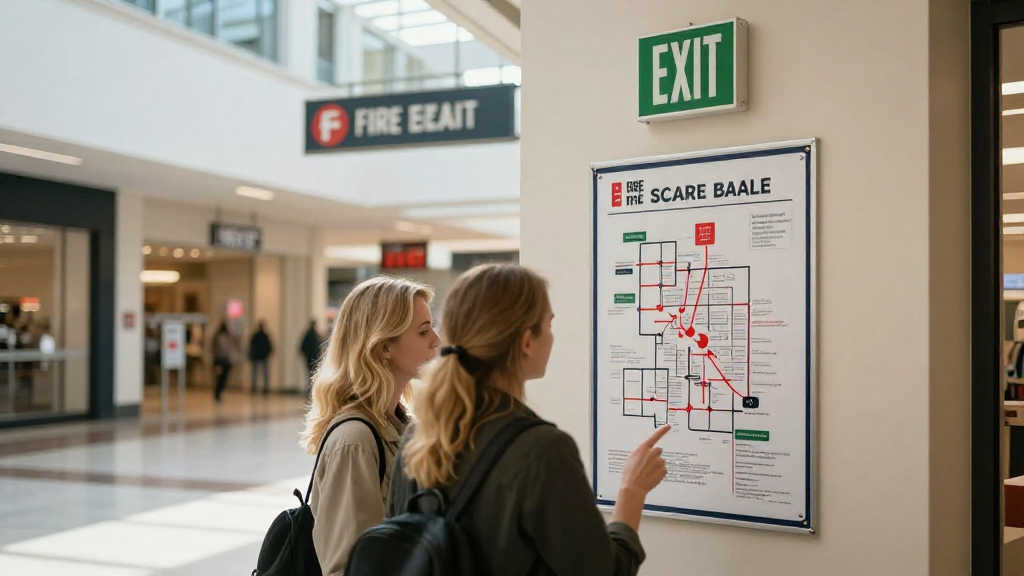
A well-prepared mall fire escape plan is crucial for ensuring safety during emergencies.
Why is a Mall Fire Escape Plan Important?
In any public space, especially malls that attract large crowds, a fire escape plan is essential.
-
Safety of Patrons: The primary goal is to ensure the safety of all individuals present in the mall.
-
Quick Evacuations: Clear protocols allow for swift evacuations, minimizing risks and confusion.
-
Regulatory Compliance: Many regions mandate that malls and other public venues have established fire escape plans.
What Elements Should Be Included in a Mall Fire Escape Plan?
A comprehensive mall fire escape plan should incorporate several key components to ensure effectiveness during an emergency.
How Should Evacuation Routes Be Defined?
-
Clearly Marked Paths: Ensure that all evacuation routes are well-marked with illuminated signs indicating the nearest exits.
-
Accessible Alternatives: Designate multiple evacuation routes to accommodate the flow of traffic and minimize bottlenecks.
-
Regular Updates: Ensure that these routes are updated regularly to account for any changes in mall layout or store locations.
What About Emergency Exits?
-
Exits Locations: Identify and display the locations of all emergency exits prominently throughout the mall.
-
Unobstructed Access: Regularly check that these exits are free of obstructions to ensure a clear path during an emergency.
-
Accessible Features: Ensure that exits are accessible to everyone, including individuals with disabilities.
What Should Be Included in Staff Training?
Staff play a critical role in executing a mall fire escape plan efficiently.
-
Regular Drills: Conduct fire drills at least twice a year to familiarize staff with evacuation procedures.
-
Emergency Roles: Assign specific roles to employees (e.g., directing customers, managing crowds) to enhance efficiency during an evacuation.
-
Awareness of Fire Safety Equipment: Train staff on how to use fire extinguishers and alarms, thus empowering them to act swiftly in crisis situations.
How Will Communication Be Managed?
Effective communication is essential to the success of any mall fire escape plan.
-
Public Address Systems: Utilize a clear and loud public address system to provide instructions during an emergency.
-
Visual Alerts: Use flashing lights or digital screens to communicate messages to individuals who may not hear announcements.
-
Signage: Ensure that signs indicating emergency procedures are visible and easily understood even under stress.
What Should Be Done for High-Traffic Areas?
High-traffic areas require special considerations within the mall fire escape plan.
-
Crowd Management Protocols: Implement strategies for managing crowd flow to prevent panic and ensure efficient evacuations.
-
Barrier-Free Access: Regularly inspect aisles and public spaces to ensure they remain free of obstacles that may impede a swift exit.
-
Strategic Staffing: Assign appropriately trained staff to high-traffic areas to guide patrons efficiently to exits.
How Can Technology Enhance the Escape Plan?
Integrating technology into a mall fire escape plan can lead to improved safety and communication.
-
Smart Evacuation Systems: Utilize smart exit signage that can change based on the situation (e.g., blocking paths to unsafe areas).
-
Mobile Alerts: Implement a mobile notification system allowing patrons to receive alerts and instructions directly to their phones.
-
CCTV Monitoring: Use surveillance camera feeds to monitor crowd movements and adjust evacuation protocols accordingly during a crisis.
What Post-Evacuation Procedures Should Be Established?
After an evacuation, it’s essential to establish procedures to ensure the well-being of all individuals involved.
-
Headcounts: Designate responsible parties to conduct headcounts at predetermined safe locations to ensure that everyone has evacuated.
-
Emergency Contacts: Keep a list of emergency contacts, including local fire departments and medical assistance centers, easily accessible to management.
-
Debriefing Sessions: Hold post-evacuation debriefing sessions to analyze what worked well and what needs improvement in the mall fire escape plan.
How Often Should the Fire Escape Plan Be Reviewed and Updated?
Regular reviews of the mall fire escape plan are crucial for maintaining safety standards.
-
Annual Reviews: Conduct a comprehensive review at least once a year to reflect any changes in mall layout, staffing, or emergency services.
-
Post-Incident Analysis: After any fire-related incident, analyze the response to enhance future safety measures.
-
Feedback Mechanism: Encourage feedback from staff and patrons about their experiences during drills and real incidents to identify areas for improvement.
Conclusion: Why Every Mall Needs a Fire Escape Plan
In summary, a mall fire escape plan is not just a formality but an essential component of public safety.
By clearly defining evacuation routes, ensuring staff training, leveraging technology, and regularly reviewing the plan, malls can effectively mitigate risks associated with fire emergencies.
Taking the time to establish and maintain a robust mall fire escape plan demonstrates a commitment to safety that benefits everyone involved—staff and patrons alike.
Investing in these safety protocols can make all the difference in a critical situation.