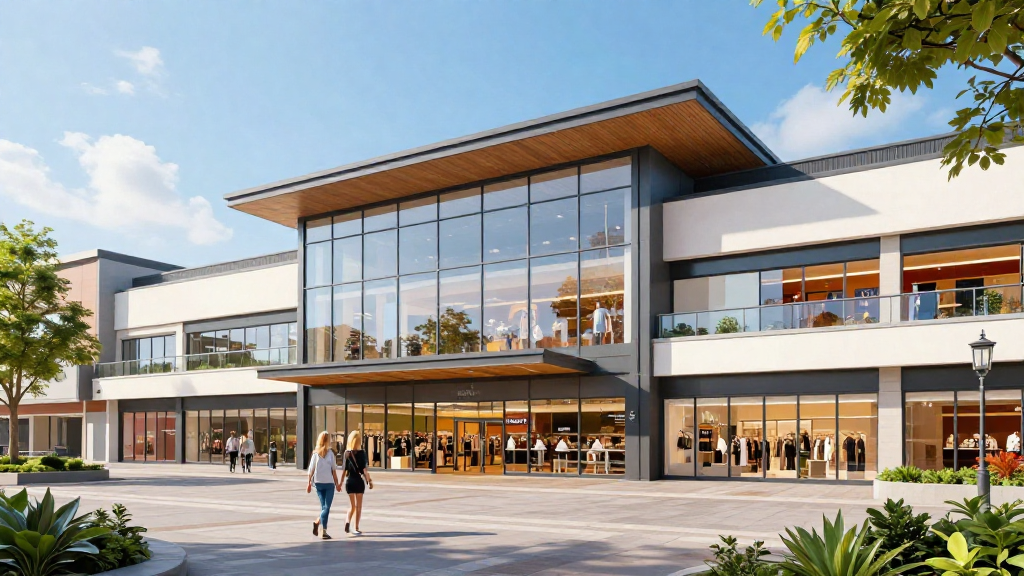
Mall zoning laws refer to regulations that govern the development, use, and management of shopping malls and the surrounding areas.
These laws play a crucial role in urban planning and development, impacting everything from the types of businesses allowed in a shopping mall to how traffic and pedestrian access are managed.
In this article, we will explore the various aspects of mall zoning laws, including their purpose, significance, and how they impact not just mall owners, but also shoppers and the wider community.
Why Are Mall Zoning Laws Important?
What Do Mall Zoning Laws Regulate?
Mall zoning laws are a part of larger zoning ordinances set by local governments. These laws help define:
- Property types: Determines what type of businesses can operate (retail, dining, entertainment).
- Building specifications: Includes height restrictions, setbacks, and overall design criteria.
- Parking requirements: Specifies the number of parking spots based on the mall’s size and type of businesses.
- Land use: Monitors how land around the mall can be developed, affecting residential areas, green spaces, and more.
The regulation of these aspects is vital for maintaining the community’s character, ensuring public safety, and promoting orderly development.
How Do Mall Zoning Laws Affect Development?
Mall zoning laws significantly influence how and where shopping malls are built.
Key influences include:
-
Location Restrictions: Zoning laws may restrict malls from being built in certain areas considered unsuitable due to noise, traffic concerns, or environmental impact.
-
Design Requirements: Many municipalities enforce architectural guidelines that malls must follow to ensure aesthetic compatibility with their surroundings.
-
Environmental Considerations: Depending on the area’s ecology, mall zoning laws may impose requirements for green space, drainage systems, and sustainable building materials.
-
Community Impact Assessment: Developers often need to conduct assessments to analyze how the mall will impact traffic patterns, local businesses, and public services.
This comprehensive approach ensures that the development of malls contributes positively to the local economy while minimizing adverse effects on the community.
What Are the Consequences of Ignoring Mall Zoning Laws?
What Happens If Regulations Are Violated?
Failure to adhere to mall zoning laws can lead to serious consequences for developers and mall operators. These may include:
-
Fines and Penalties: Local governments can impose financial penalties for non-compliance, which can accumulate significantly.
-
Revocation of Permits: If a mall does not comply with zoning laws, its operational permits can be revoked.
-
Legal Actions: Violations can result in lawsuits from local residents, business competitors, or the municipality itself.
How Do Zoning Variances Work?
In some cases, mall developers may seek a variance, which is an exception to the zoning laws.
Variances are granted under specific conditions, such as when:
- The strict application of the zoning law would result in an unreasonable hardship.
- The variance would not detrimentally affect neighboring properties.
- The overall spirit of the zoning law is maintained.
Applying for a variance typically involves a public hearing where community members can voice their opinions, making the process transparent.
Who Enforces Mall Zoning Laws?
What Entities Are Responsible for Enforcement?
Mall zoning laws are enforced by local government bodies, typically through their planning or zoning departments. They are responsible for:
-
Reviewing Development Proposals: Checking that proposed mall projects comply with existing zoning codes.
-
Issuing Building Permits: Granting the necessary permits based on compliance with all zoning laws.
-
Conducting Inspections: Carrying out inspections during and after construction to ensure compliance with zoning regulations.
In addition to local authorities, zoning boards and commissions may be involved in adjudicating disputes or providing recommendations on specific zoning matters.
How Can You Stay Informed About Mall Zoning Laws?
Where Can You Learn More?
For those interested in understanding mall zoning laws further, there are several reliable resources available:
-
Local Government Websites: Most municipalities have dedicated sections for zoning laws and ordinances.
-
Zoning Handbooks: Many urban planning and zoning agencies publish handbooks that explain the laws and their implications.
-
Public Meetings: Local city or county meetings often discuss zoning regulations and development proposals, providing an opportunity for public participation.
-
Legal Consultation: Consulting with a lawyer or zoning expert can offer personalized guidance, particularly for those involved in real estate development.
What Trends Are Influencing Mall Zoning Laws?
How Are Modern Trends Shaping Regulations?
As shopping habits evolve, so do mall zoning laws.
Several trends are influencing these regulations today:
-
Shift to Online Shopping: The rise of e-commerce is leading to a rethink of traditional mall formats and mixed-use developments that blend retail, residential, and entertainment.
-
Sustainability Focus: Increasing awareness around environmental responsibility is prompting zoning laws to include stricter regulations on sustainability practices.
-
Community-Centric Design: There’s a growing trend towards designing malls that engage directly with the community, leading to zoning changes that prioritize public spaces over raw retail space.
-
Technology Integration: Smart technology in malls, from mobile apps for navigation to automated parking systems, is being factored into zoning requirements as developers aim to enhance the shopping experience.
Conclusion: Understanding Mall Zoning Laws for Better Planning
Mall zoning laws are more than just paperwork; they play a crucial role in shaping the landscape of retail and community engagement.
From regulating the design and purpose of shopping malls to mitigating community impact and ensuring public safety, these laws are fundamental in urban planning.
By understanding these regulations, developers, shoppers, and residents alike can better appreciate the complexities behind mall planning and development.
Investing the time to learn about mall zoning laws can empower stakeholders to make informed decisions, contributing to a thriving, well-planned urban environment.