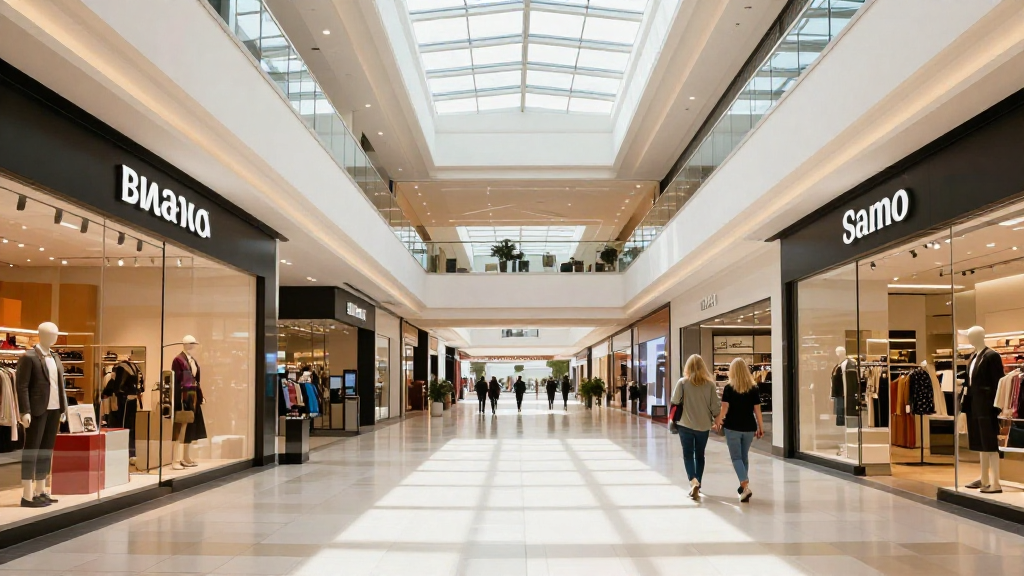
In the bustling world of retail, understanding mall leasing terms is crucial for both landlords and tenants.
Navigating these terms can mean the difference between a successful business and a financial headache.
In this article, we’ll delve into the specifics of mall leasing terms, their importance, and what to expect when signing a lease.
What Are Mall Leasing Terms?
Mall leasing terms refer to the conditions and agreements set out in a commercial lease for retail spaces in shopping malls.
They outline the rights and responsibilities of both the landlord (the mall owner) and the tenant (the store operator).
Understanding these terms is essential for ensuring a harmonious relationship and a profitable retail operation.
What Should You Expect in Mall Leasing Terms?
When it comes to mall leasing terms, every lease agreement may differ based on several factors, including the type of mall, the location, and the tenant’s needs.
However, there are several common components that you can typically expect:
-
Lease Duration:
– Most retail leases range from 3 to 10 years.
– Some may offer short-term leases as well. -
Rent Structure:
– Base Rent: This is the fixed fee paid monthly.
– Percentage Rent: This is an additional charge typically based on a percentage of the tenant’s sales.
– Rent Escalations: Many leases include clauses for annual increases. -
Operating Expenses:
– Tenants are usually responsible for a portion of the mall’s common area maintenance (CAM) fees.
– This may cover utilities, landscaping, security, and janitorial services. -
Use Clause:
– This specifies what type of business can occupy the space.
– It protects the landlord by ensuring the tenant’s operations align with the mall’s overall brand and strategy. -
Signage Rights:
– Terms about what type of signage the tenant can display, including size and location. -
Renewal Options:
– Tenants may negotiate rights to renew the lease before it expires, typically at predetermined rates. -
Termination Clause:
– Conditions under which either party can terminate the lease agreement, along with penalties for breaking the lease early.
Why Are Mall Leasing Terms Important?
Mall leasing terms are paramount for several reasons:
- Financial Planning: Clear terms help business owners budget effectively.
- Legal Protection: Both parties are protected, reducing risks of disputes.
- Business Strategy: Understanding the use clause helps tenants market appropriately.
- Long-term Viability: Favorable terms can lead to a sustainable business relationship.
How Do Mall Leasing Terms Vary by Mall Type?
Different types of malls have unique features that allow for variations in leasing terms:
What Are the Differences Between Regional and Community Malls?
-
Regional Malls:
– Typically larger, with more anchor stores.
– Lease terms may be more favorable due to foot traffic, leading to potential for higher sales.
– Higher base rents, but less emphasis on percentage rent. -
Community Malls:
– Smaller in size, often with local retailers.
– Mall leasing terms may include more flexible structures, like shorter lease periods or lower initial rents.
– Tenants may negotiate more aggressively for favorable percentage rents.
How Do You Negotiate Mall Leasing Terms?
Negotiating mall leasing terms effectively can significantly impact your business’s success.
Here are some tips to consider:
-
Conduct Market Research:
– Understand average rents and terms within the area.
– Know what competitors are paying. -
Leverage Competition:
– If there are multiple available spaces, use this to your advantage during negotiations. -
Seek Professional Help:
– Consider hiring a commercial real estate broker or attorney specializing in retail leasing to help navigate the process. -
Be Prepared to Walk Away:
– If terms don’t align with your financial strategy, don’t hesitate to look for other options.
What Common Pitfalls Should You Avoid?
While understanding mall leasing terms can prepare you well, there are also pitfalls to this process:
-
Ignoring the Fine Print:
– Always carefully read all clauses, particularly those regarding expenses and termination. -
Overestimating Sales Potential:
– Be realistic about your sales projections; high percentage rents can become unmanageable. -
Neglecting Escalation Clauses:
– Pay close attention to how rent may increase over time and factor it into your budget. -
Failing to Secure Renewal Terms:
– Make sure you have an option for renewal that is favorable.
What Resources Are Available for Understanding Mall Leasing Terms?
Educating yourself on mall leasing terms can be facilitated through various resources:
- Legal Guides: Many organizations provide guides on commercial leasing that cover the essentials.
- Commercial Real Estate Websites: Platforms like LoopNet and CommercialCafe can give insights into market trends.
- Networking: Connect with other retailers and landlords to share experiences and tips.
Conclusion
Understanding mall leasing terms is essential for retailers seeking to establish themselves in a competitive environment.
From the nuances of rent structures to the importance of negotiating favorable terms, being well-informed can lead to a successful retail operation.
As you explore leasing options, prioritize educating yourself about the specifics and ensuring every clause aligns with your business goals.
With proper knowledge, you can navigate the complexities of mall leasing and position your retail business for success!