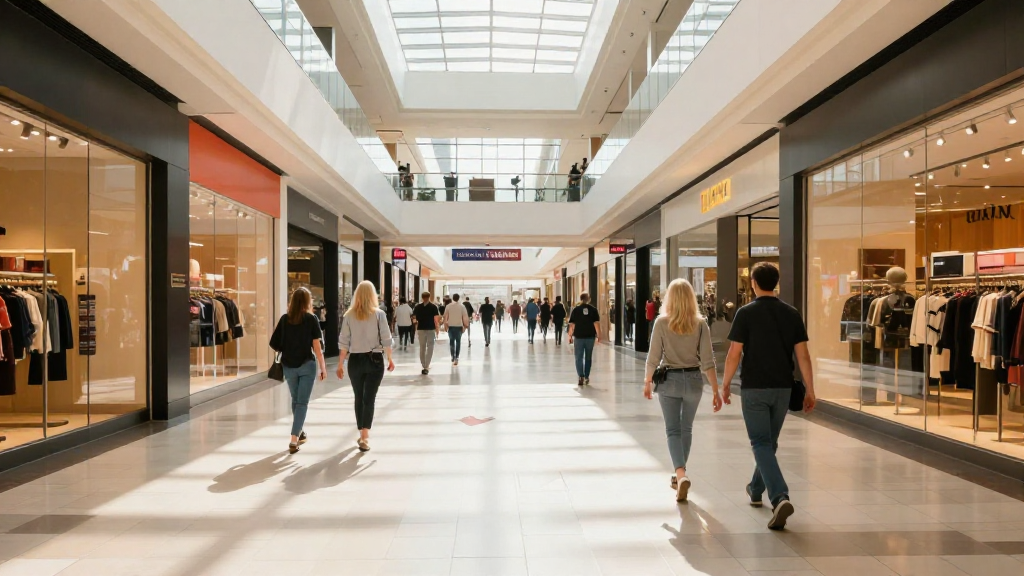
Understanding mall traffic patterns is essential for retailers, mall operators, and shoppers alike.
Traffic patterns within malls can significantly affect shopping experiences, marketing strategies, and retail success.
What Are Mall Traffic Patterns?
Mall traffic patterns refer to the movement and flow of shoppers within a mall environment.
These patterns determine how effectively shoppers navigate the space, where they spend their time, and which stores experience higher foot traffic.
Understanding the dynamics of these patterns can unlock valuable insights for businesses.
What Factors Influence Mall Traffic Patterns?
Several factors influence mall traffic patterns:
-
Time of Day:
– Shopping malls experience different levels of traffic at various times of the day.
– Mornings may see less traffic, while afternoons and evenings often peak, especially during weekends. -
Day of the Week:
– Typically, weekends attract more shoppers than weekdays.
– Certain holidays, like Black Friday or Christmas Eve, can also lead to unprecedented spikes in mall traffic. -
Seasonality:
– Seasonal sales, summer vacations, or back-to-school promotions significantly impact traffic patterns.
– Malls often see increased visits during holiday seasons. -
Mall Layout and Design:
– The configuration of stores, entrances, and amenities can guide shopper movements.
– Malls with open spaces and strategically placed anchor stores typically see higher foot traffic. -
Events and Promotions:
– Hosting events, concerts, or special promotions can attract a larger crowd and alter usual shopping patterns.
– Seasonal festivities contribute to changes in foot traffic. -
Local Demographics:
– The socio-economic background, age, and interests of local residents can influence mall traffic patterns.
– Different demographic groups are attracted to different types of stores.
How Can Mall Traffic Patterns Be Analyzed?
Analyzing mall traffic patterns involves several methodologies and technologies:
-
Footfall Counters:
– Electronic systems can be installed at mall entrances to count the total number of visitors.
– Data collected can often be collated into hourly or daily trends. -
Mobile Tracking:
– Many malls deploy location-based services that track foot traffic through smartphones.
– These insights help identify popular paths and areas that might need marketing efforts. -
Video Analytics:
– CCTV systems equipped with analytics software can analyze shopping behaviors.
– They track shopper movements, duration within specific stores, and the time spent in various areas. -
Surveys and Feedback:
– Direct surveys from shoppers can provide qualitative insights into shopping preferences and behaviors.
– Customer feedback helps understand satisfaction levels and potential improvements. -
Social Media and Online Analytics:
– Observing trends on social media offers insights into what brings shoppers out to the mall.
– Campaign successes tracked through online platforms can correlate with foot traffic changes.
How Do Mall Traffic Patterns Affect Retailers?
Understanding mall traffic patterns has significant implications for retailers, including:
-
Store Placement:
– Retailers often make location-based decisions based on traffic patterns.
– Stores with higher visibility tend to attract more customers. -
Inventory Management:
– Analyzing traffic patterns aids retailers in forecasting demand and managing inventory effectively.
– Retailers can identify peak shopping times for restocking merchandise. -
Staffing Needs:
– Traffic data provides insights into staffing requirements to ensure customer service demands are met during peak periods.
– Understaffing during busy periods can lead to poor shopping experiences. -
Marketing Strategies:
– Patterns can influence promotional campaigns, store displays, and advertising placement within the mall.
– Understanding specific shopper interests allows tailored marketing efforts. -
Store Layout Optimization:
– Traffic patterns can lead to adjustments in store layouts to improve shopper flow and experience.
– Analyzing customer movements can identify bottlenecks or areas that discourage visitation.
How Do Different Times of Year Impact Mall Traffic Patterns?
Different seasons and events can drastically affect mall traffic patterns:
-
Winter Holiday Season:
– This period often sees a substantial increase in foot traffic due to holiday shopping.
– Malls typically host festive displays and events to attract shoppers. -
Back-to-School Season:
– Malls usually experience peak traffic in late summer as parents shop for school supplies and clothing. -
Summer Promotions:
– Seasonal sales or outdoor events can increase foot traffic during warmer months. -
Local Community Events:
– Sponsoring local events, fairs, or concerts can positively influence traffic, enhancing local engagement.
How Can Mall Operators Make the Most of Traffic Patterns?
Recognizing and responding to mall traffic patterns can guide operators in making strategic decisions:
-
Improved Amenities:
– Offering comfortable seating areas, Wi-Fi, and family-friendly facilities can encourage shoppers to spend more time in the mall. -
Strategic Store Mix:
– Curating a mix of stores that cater to local demographics ensures a wider range of attractions. -
Enhanced Marketing:
– Utilizing data-driven marketing campaigns while taking traffic patterns into account can increase shopper engagement. -
Traffic Flow Improvement:
– Analyzing patterns helps identify areas for potential renovations aimed at improving shopper navigation. -
Partnership with Brands:
– Collaborating with retailers for joint promotions can create synergies that attract more shoppers based on observed traffic patterns.
Conclusion: Why Understanding Mall Traffic Patterns Matters
In conclusion, recognizing mall traffic patterns is critical for everyone involved in the retail ecosystem—from mall operators and retailers to consumers.
Understanding these patterns provides insights that help enhance the shopping experience, streamline operations, and generate higher sales.
By considering this knowledge, stakeholders can make informed decisions that align with shopper expectations and behaviors, ultimately fostering a vibrant mall environment.