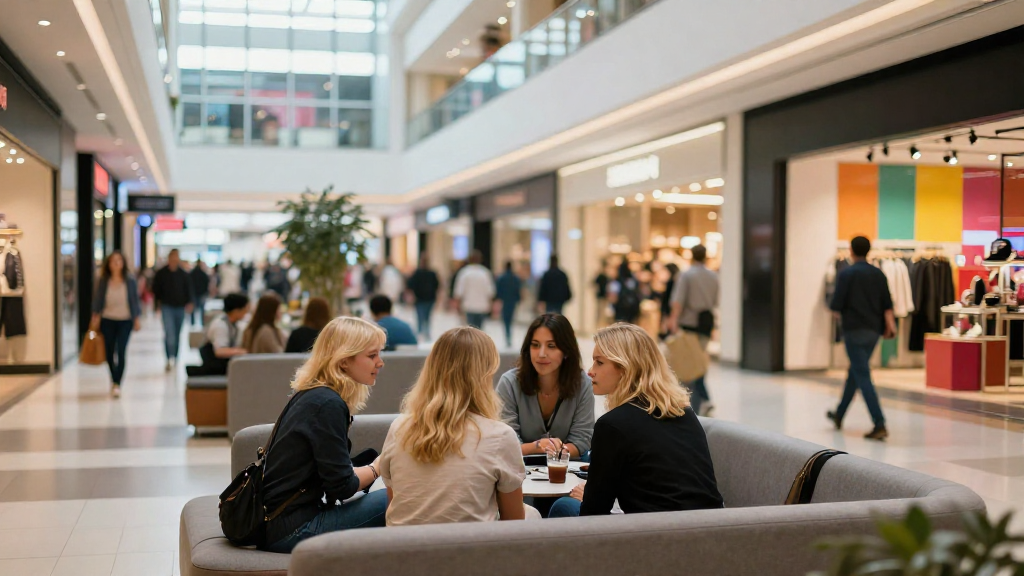
Understanding what drives mall foot traffic is crucial for mall owners, retailers, and businesses looking to attract customers. In an era where online shopping is significantly impacting physical store visits, deciphering the factors that influence foot traffic in malls can make a substantial difference in sales and customer engagement.
What Factors Influence Mall Foot Traffic?
Several elements affect mall foot traffic, contributing to the overall success of retail spaces. These factors include:
-
Location:
– Malls situated in high-traffic areas or near main roads typically see more visitors.
– Accessibility to public transportation or ample parking can greatly enhance foot traffic. -
Anchor Stores:
– Anchor stores like department stores and large retail chains draw in large crowds.
– The presence of well-known brands increases mall visibility and attractiveness. -
Events and Activities:
– Hosting events such as concerts, festivals, and holiday celebrations can significantly boost visitor numbers.
– Seasonal promotions and themed events keep the shopping experience fresh and exciting. -
Diverse Retail Mix:
– Malls that offer a variety of shops, from luxury brands to affordable retailers, tend to attract a broader audience.
– Including entertainment options like cinemas or arcades enhances the overall appeal. -
Atmosphere and Amenities:
– A clean, welcoming environment is essential in attracting foot traffic.
– Amenities like free Wi-Fi, comfortable seating areas, and family-friendly facilities improve the shopping experience.
How Important is Marketing in Driving Mall Foot Traffic?
Effective marketing strategies are vital in understanding what drives mall foot traffic.
Here’s how:
- Social Media Engagement:
- Active social media promotions can engage potential customers and keep current shoppers informed.
-
Utilizing platforms like Instagram and Facebook can create buzz around new store openings and events.
-
Community Relationships:
- Building relationships with local businesses and community organizations can lead to collaborative events that drive traffic.
-
Community engagement fosters loyalty and encourages locals to visit regularly.
-
Promotions and Discounts:
- Regular sales, coupon offers, and loyalty programs incentivize customers to visit malls.
- Marketing special deals via email and social media channels is an effective way to boost foot traffic.
What Role Does Seasonal Shopping Play?
Seasonal shopping patterns have a significant effect on what drives mall foot traffic.
Key Seasonal Factors Include:
- Holidays:
- Christmas, Black Friday, and Back-to-School sales attract significant crowds.
-
Special holiday events, such as visits from Santa or Easter egg hunts, can further enhance family visits.
-
Weather:
- Malls often experience increased foot traffic during adverse weather conditions, as shoppers prefer indoor shopping to outdoor activities.
- Conversely, good weather might lead shoppers to prefer outdoor malls or open-air shopping experiences.
How Does Customer Experience Impact Foot Traffic?
Customer experience is a crucial component in determining what drives mall foot traffic.
Considerations for Enhancing Customer Experience:
-
Staff Training:
– Friendly, knowledgeable staff can create positive shopping experiences.
– Good customer service encourages repeat visits and word-of-mouth recommendations. -
Maintenance and Cleanliness:
– Well-maintained facilities create a more inviting atmosphere.
– Regular cleaning and upkeep show customers that their comfort is prioritized. -
Experiential Retail:
– Offering experiences rather than just products can draw customers in.
– Activities such as workshops, DIY stations, or pop-up shops can enhance the shopping experience.
What Technological Innovations Affect Mall Foot Traffic?
Technology plays a pivotal role in shaping mall foot traffic.
Key Innovations Include:
- Mobile Apps:
- Malls offering mobile apps featuring directories, deals, and maps can increase customer engagement.
-
Push notifications can remind shoppers of events or special offers.
-
Beacons and Location-Based Marketing:
- Using Bluetooth beacons to send notifications about nearby promotions can draw visitors into stores.
-
Personalized messaging enhances the shopping experience and drives foot traffic.
-
Virtual Reality (VR):
- Innovative VR experiences within malls can attract tech-savvy shoppers.
- Allowing customers to experience products virtually can enhance their interest in visiting.
How Does E-commerce Competition Influence Mall Foot Traffic?
The rise of e-commerce has significantly altered the retail landscape.
Key Influences Include:
- Convenience:
- Online shopping offers unmatched convenience, often reducing physical mall visits.
-
Malls need to develop unique experiences to encourage shoppers to visit instead of clicking.
-
Click-and-Collect Services:
- Many retailers offer services where customers can shop online and pick up in-store.
- This strategy combines the convenience of online shopping with the mall visit, boosting foot traffic.
Conclusion: What Drives Mall Foot Traffic?
In summary, understanding what drives mall foot traffic involves a multifaceted approach.
It requires knowledge of location, marketing strategies, seasonal influences, customer experience, technological advancements, and competition from e-commerce.
By focusing on these core elements, mall owners and retailers can create vibrant shopping environments that attract more visitors, ensuring the longevity and success of brick-and-mortar retail in an evolving marketplace.
By prioritizing these strategies, malls can continue to thrive amidst changing consumer habits and preferences.