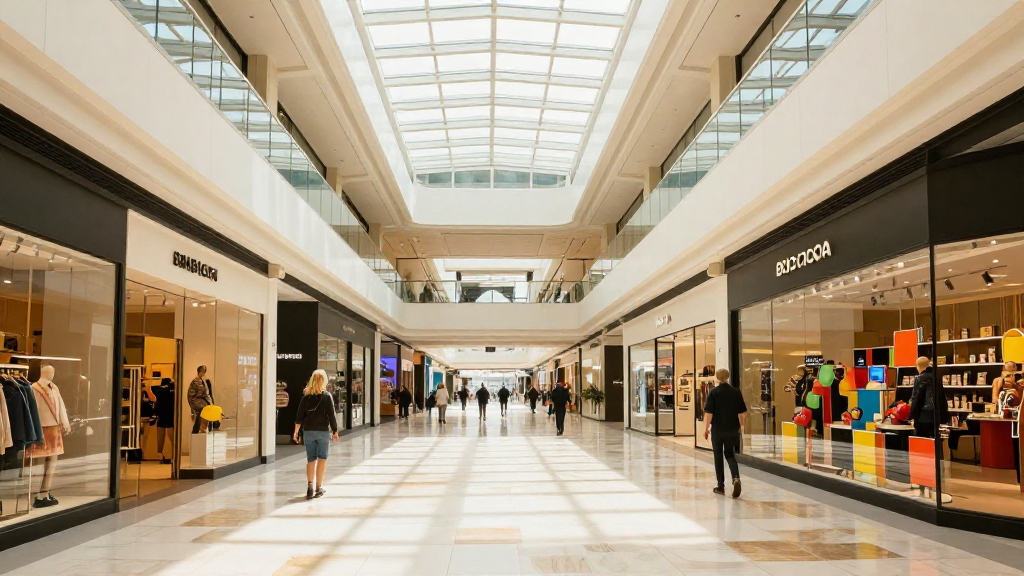
The history of shopping malls is a fascinating journey through architectural innovation, social change, and consumer culture.
What Are Shopping Malls?
Shopping malls are large, enclosed spaces that house a variety of retail stores, eateries, and often entertainment options.
They serve as central hubs for shopping and leisure activities, greatly influencing our daily lives since their inception.
But how did they evolve to become the behemoths of retail culture we see today?
What is the Early Evolution of Shopping Malls?
The history of shopping malls dates back to ancient times.
Early marketplaces featured open-air vendors and artisan stalls.
These spaces allowed communities to gather and trade, laying the groundwork for modern retail experiences.
Key Early Marketplace Milestones:
-
Ancient Greece and Rome:
Public spaces called agoras and forums served as gathering and trading spots. -
Medieval Markets:
Town squares became bustling hubs for trade, often established during festivals or fairs. -
Renaissance Markets:
Increased urbanization led to permanent markets with more structured trading practices.
As cities grew, the need for a centralized shopping experience became evident.
When Did Shopping Malls First Appear?
The history of shopping malls took a significant turn during the 20th century.
In the 1920s, the first modern shopping malls began to appear in the United States.
Notable Early Shopping Malls:
-
Country Club Plaza (1922) in Kansas City, Missouri:
As one of the first shopping developments designed as a mall, it featured outdoor courtyards and Spanish architecture. -
Southdale Center (1956) in Edina, Minnesota:
Designed by Victor Gruen, it is often considered the prototype of the modern shopping mall, showcasing an indoor shopping experience.
These early models were revolutionary, as they combined shopping, dining, and entertainment under one roof.
How Did Shopping Malls Transform in the 1960s and 1970s?
The history of shopping malls saw rapid expansion during the post-war era.
The rise of the suburbs, coupled with an increase in car ownership, allowed malls to flourish.
Key Features and Changes:
-
Enclosed Designs:
Most malls introduced climate control, making them comfortable year-round. -
Anchor Stores:
Large retailers, such as department stores, became essential to draw customers. -
Community Spaces:
Malls began incorporating social spaces, such as food courts and play areas for children.
During this period, shopping malls became a cultural phenomenon, serving not just commercial but also social purposes.
What Role Did Shopping Malls Play in the 1980s and 1990s?
As the history of shopping malls progressed into the late 20th century, they became landmarks of consumer culture.
Emerging Trends:
-
Themed Malls:
Experiential shopping became popular, with concepts like indoor amusement parks and unique architectural themes. -
Increased Entertainment:
The inclusion of movie theaters and arcades turned malls into full-fledged entertainment complexes. -
Marketing Strategies:
Retailers began to leverage advertising to create promotions, events, and loyalty programs.
These innovations solidified malls as not just places to shop but destinations for family outings.
How Did Technology Affect the New Millennium?
With the advent of the internet in the late 1990s, the history of shopping malls began to face new challenges.
The rise of e-commerce transformed consumer behavior significantly.
Key Influences:
-
Online Shopping:
Retail giants like Amazon began to change how consumers interacted with products. -
Shift in Preferences:
Consumers started valuing convenience over the in-person shopping experience. -
Mobile Technology:
The proliferation of smartphones led to the rise of apps that provided comparison shopping and delivery services.
In response to these changes, many malls adapted by introducing:
- Free Wi-Fi Access
- Online Shopping Integration
- Click-and-Collect Services
What Are the Current Trends in Shopping Malls?
Today, the history of shopping malls is still being written, as they adapt to contemporary consumer demands.
Emerging Trends in Mall Design and Functionality:
-
Mixed-Use Developments:
Many malls are now integrated with apartment complexes and office spaces to create community hubs. -
Sustainable Practices:
Environmentally friendly designs and energy-efficient technologies are on the rise. -
Interactive Experiences:
Virtual reality experiences, live entertainment, and pop-up shops are being incorporated to attract visitors. -
Focus on Leisure:
Retail spaces are increasingly mixed with leisure activities, including fitness centers and recreational areas.
Through these adaptations, shopping malls maintain relevance in an ever-changing retail landscape.
What Is the Future of Shopping Malls?
While e-commerce continues to thrive, the history of shopping malls is far from over.
Predictions for the Future:
-
Social Spaces:
Malls might focus more on becoming human-centric social spaces rather than merely retail-centric ones. -
Enhanced Technology Integration:
Advanced technologies, like augmented reality and AI, may transform the shopping experience further. -
Health and Wellness Focus:
Expect to see more health and wellness centers as part of mall offerings, catering to today’s consumer trends. -
Event-Driven Promotions:
Special events, markets, and festivals could become a staple to attract foot traffic and engage the community.
The future of shopping malls is likely to pivot towards creating experiences that cannot be replicated online.
Conclusion
The history of shopping malls is a reflection of changing social norms, technological advancements, and consumer demands.
From ancient marketplaces to modern mixed-use developments, shopping malls have continually evolved to meet the needs of society.
As we look ahead, they will likely embrace innovative strategies that combine shopping with social interaction to remain significant in modern culture.
Understanding the history of shopping malls helps us appreciate their role in shaping urban environments and consumer lifestyles. As shopping malls continue to adapt and innovate, they will remain integral to our community lives.