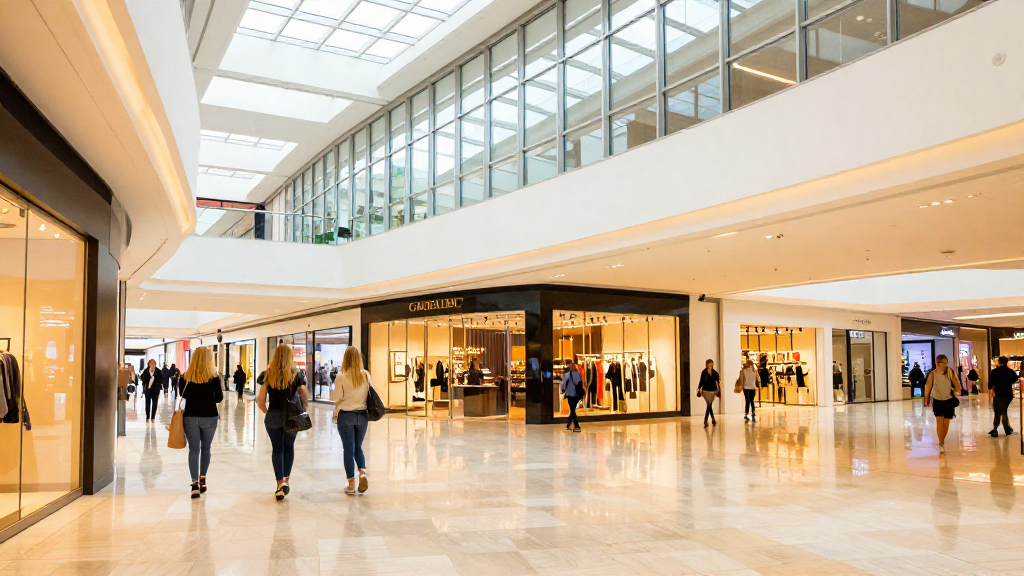
The mall as public space is a concept that sparks debate among urban planners, city dwellers, and cultural critics.
What Defines a Public Space?
To determine if the mall as public space fits into the definition of public spaces, we need to clarify what constitutes a public space in the modern context.
Public spaces are traditionally characterized by:
- Accessibility: They are open to everyone, without restrictions on who can enter.
- Social Interaction: These spaces often foster social interaction among diverse community members.
- Civic Engagement: Public spaces are venues where individuals express their opinions and participate in social or political life.
Given these characteristics, can shopping malls also fit into this definition?
How Do Malls Function as Public Spaces?
Malls have evolved significantly since their inception.
Originally designed as mere shopping environments, they have transformed into multifaceted hubs of social activity.
Here’s how the mall as public space fulfills some of the criteria of public spaces:
-
Open Access
Malls generally do not charge admission and are open to anyone. Visitors can enter freely to browse, socialize, or observe. -
Social Gathering Spots
Malls often have common areas, food courts, and seating arrangements where people can meet, converse, and interact. -
Cultural Events
Many malls host events such as art exhibits, seasonal celebrations, and community gatherings – functions that are often associated with public spaces. -
Diverse Clientele
Malls attract a mixture of people, irrespective of age, income, or background, allowing for a melting pot of cultures and perspectives.
Are Malls Truly Public?
Despite offering certain public-space characteristics, the mall as public space is still subject to debate.
Who Controls Malls?
A significant aspect of public spaces is that they are owned and managed publicly, while malls are often privately owned.
This ownership shapes the dynamics of how these spaces are used.
-
Private Ownership: Malls are typically owned by private entities, which means that while they may be open to the public, they operate under rules set by corporations or individuals.
-
Restrictions: Mall owners reserve the right to enforce rules regarding loitering, dress codes, and behavior, which can limit access and personal expression—characteristics typically associated with genuine public spaces.
What Are the Implications of This Control?
The control exerted by mall owners raises questions about the authenticity of malls as public spaces:
-
Limited Freedom: Unlike true public spaces, where citizens can express their views openly, malls can stifle free speech through restrictions on protests or activist gatherings.
-
Commercialization: The primary purpose of a mall is commercial—selling goods. This profit-driven motive can overshadow its social function, meaning the space is designed more for spending than for interaction.
Can Malls Be Inclusive Spaces?
Inclusivity is a hallmark of truly public spaces.
For the mall as public space to stand strong in this aspect, it must be more than just a venue for shopping; it should cultivate community engagement and foster inclusiveness.
Here are ways malls can enhance inclusivity:
-
Event Programming: Hosting community-oriented events that celebrate local cultures, arts, and performances can encourage more people to engage and connect.
-
Inclusive Design: Facilities should be designed to accommodate everyone, including families, the elderly, and individuals with disabilities. This may include wide aisles, ramps, and dedicated family restrooms.
-
Community Feedback: Listening to community needs and incorporating feedback into mall development can create spaces that resonate with local culture.
What Are Alternatives to Malls as Public Spaces?
While discussing the mall as public space, it’s essential to recognize that there are other venues fulfilling the role of public spaces.
Alternatives include:
-
Parks and Plazas: These open areas offer natural environments conducive to relaxation, recreation, and socializing.
-
Libraries: Public libraries not only provide access to information but also serve as gathering places for cultural and educational events.
-
Community Centers: These spaces encourage active participation by offering various programs and activities for residents.
Conclusion: The Dual Nature of Malls
The question of whether a mall as public space can be classified as a true public space is not clear-cut.
While malls possess some attributes of public spaces, they exist within a framework of private ownership and commercial intent that can limit their true public potential.
However, if malls evolve by embracing inclusivity and community engagement, they can redefine their role.
By integrating into the social fabric of towns and cities, malls can become more than shopping centers.
In doing so, they may successfully transition into genuine public spaces, offering room for interaction, culture, and community building.
Key Takeaways
- Malls provide open access and social interactions, resembling public spaces.
- Ownership by private entities limits freedom of expression and engagement in malls.
- For malls to function effectively as public spaces, they must emphasize inclusivity and community engagement.
In a rapidly changing urban landscape, the role of malls will continue to adapt, and the ongoing conversation surrounding the mall as public space remains vital for urban sustainability and community health.