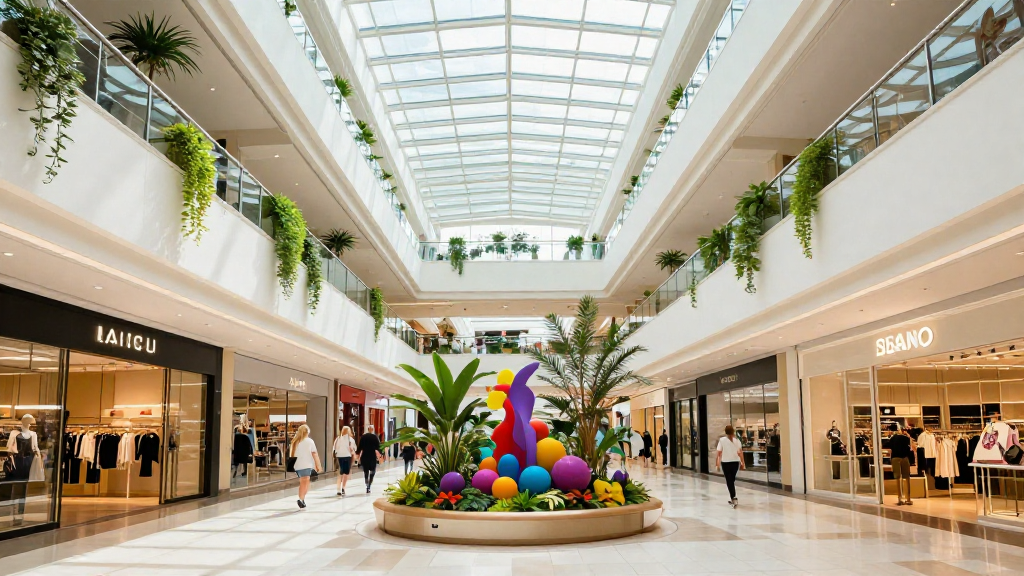
In today’s retail landscape, understanding the types of malls can help consumers make informed decisions and enhance their shopping experiences.
What Are the Main Types of Malls?
The retail industry is rich with various types of malls that offer unique shopping environments and experiences.
These can be broadly categorized into several distinct types:
-
Regional Malls
– Typically feature a wider range of merchandise.
– Usually have two or more department stores as anchors.
– These malls range from 400,000 to 800,000 square feet.
– Regional malls are perfect for a comprehensive shopping experience, attracting shoppers from nearby towns. -
Super-Regional Malls
– Larger than regional malls, often exceeding 800,000 square feet.
– They can house three or more department stores.
– Super-regional malls often serve as primary shopping destinations for a broader area.
– Expect to find more than 150 stores, including high-end retail brands, dining options, and entertainment facilities. -
Neighborhood Malls
– Smaller in size, typically around 100,000 to 400,000 square feet.
– Designed to serve the immediate community.
– Neighborhood malls often include a grocery store and various smaller retail outlets.
– They cater to everyday shopping needs, focusing more on convenience. -
Lifestyle Centers
– A blend of retail with leisure and entertainment options.
– Typically designed as open-air complexes.
– Lifestyle centers focus on a more upscale shopping experience with boutique shops and gourmet restaurants.
– These centers often include public spaces such as parks and outdoor seating, making them social hubs. -
Outlet Malls
– Focus on discount retail shopping, featuring brand-name products at lower prices.
– Usually located outside urban areas, making them travel destinations.
– These malls offer factory-direct pricing and operate as a list of brand outlets.
– Shoppers are attracted by significant savings on high-quality items. -
Shopping Centers
– Not as large or comprehensive as malls but function similarly.
– Shopping centers can be mix-use, combining retail with dining and service providers.
– They usually have one or two anchor stores like supermarkets or pharmacies.
– Convenience is a key focus for shopping centers, aiming to meet local needs. -
Mixed-Use Developments
– Combine retail, residential, and office spaces in one location.
– Aimed at creating a vibrant community environment.
– Mixed-use developments offer more than just retail chances, making them popular urban spaces.
– These developments are designed for walkability, encouraging residents and visitors to enjoy various amenities.
Why Understanding the Types of Malls Matters?
Recognizing the types of malls can significantly enhance your shopping experience.
- Awareness of Selection: Knowing the different types allows you to choose the mall that best fits your shopping needs.
- Planning for Family Trips: Certain malls cater more to family-oriented activities, making them ideal for outings.
- Social Gatherings: Some types of malls focus on creating an atmosphere for social interaction, which is perfect for meeting friends.
How Do Malls Impact Local Economies?
The presence of various types of malls can have a substantial impact on local economies.
- Job Creation: Malls create numerous job opportunities ranging from retail staff to managerial positions.
- Tax Revenue: Increased sales from established malls contribute to local tax revenues, benefiting community services.
- Increased Foot Traffic: Malls often boost business for surrounding stores and restaurants, creating a hub of economic activity.
- Community Engagement: Many malls regularly host community events that encourage local participation.
Are There Challenges Faced by Different Types of Malls?
While each type of mall offers unique benefits, they also face various challenges:
-
Regional and Super-Regional Malls:
– Faced with online retail competition.
– Struggle to maintain foot traffic and occupancy rates. -
Neighborhood Malls:
– May compete with big-box stores and e-commerce platforms.
– Need to constantly keep tenants that align with the community’s needs. -
Lifestyle Centers:
– Require substantial investment to maintain attractive appearances.
– Must constantly innovate to retain shopper interest. -
Outlet Malls:
– Risk being perceived as lower quality or fewer luxury options.
– Depend heavily on tourism and seasonal shopping patterns. -
Shopping Centers:
– Often lack variety and uniqueness, limiting their appeal.
– Need to remain relevant amidst evolving shopping trends.
What’s Next for the Types of Malls?
The future of types of malls hinges on adaptability and innovation.
- Emphasis on Experience: Malls are increasingly focusing on creating unique shopping experiences that cannot be replicated online.
- Integration with Technology: Smart malls are leveraging technology, offering features like mobile apps for directions, store information, and exclusive deals.
- Sustainability: Many new developments are being designed with eco-friendly initiatives in mind, promoting sustainable practices and green spaces.
Conclusion: Choosing the Best Type of Mall for You
In summary, knowing the different types of malls can help you make better shopping choices.
Whether you’re looking for a vast selection, unique stores, or a leisurely outing, there is a mall that fits your needs.
- Consider local options, evaluate their offerings, and understand their features.
- Participate in community events hosted by local malls; they often enhance the shopping experience.
- Keep an eye on trends, as the retail landscape continues evolving, offering new and exciting experiences.
Understanding the types of malls is not just about knowing where to shop; it’s about choosing the right experience tailored to your needs.
Selecting the right mall can turn a simple shopping trip into a memorable outing filled with opportunities for exploration and discovery.