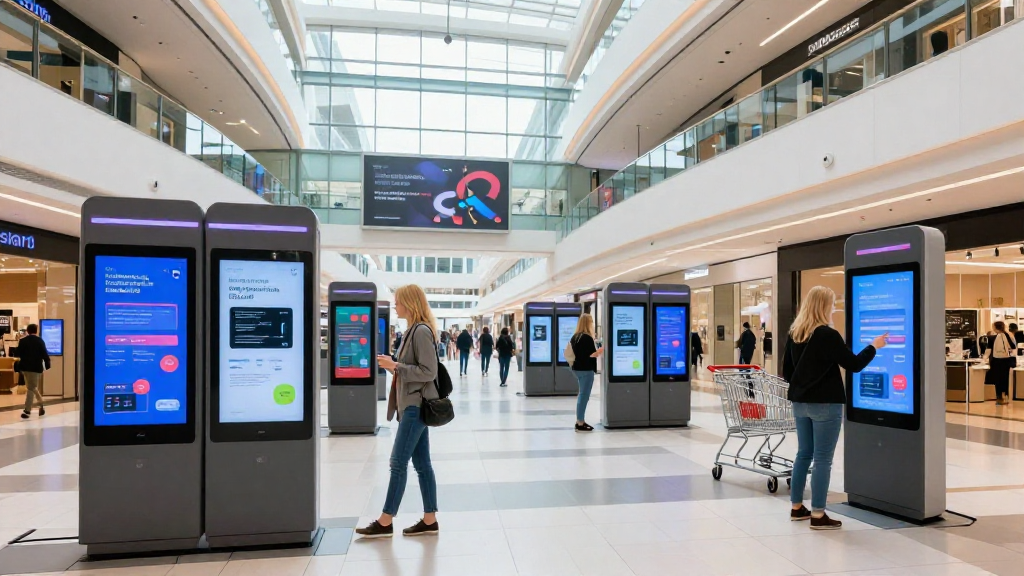
Smart mall technology is transforming the traditional shopping experience into a more interactive, efficient, and engaging environment.
These innovations utilize digital advancements to streamline operations and enhance customer experience.
In this article, we will explore what smart mall technology entails, its benefits, and how it is reshaping the future of retail.
How Does Smart Mall Technology Work?
Smart mall technology integrates various digital tools and systems to create a connected and intelligent retail environment.
It employs Internet of Things (IoT) devices, artificial intelligence (AI), and big data analytics to improve mall operations, increase foot traffic, and understand customer preferences.
Here are some key components of smart mall technology:
-
Connected Systems: These include digital payment systems, inventory management software, and smart security solutions that communicate with one another.
-
Mobile Applications: Apps can help customers navigate the mall, find the best deals, and even receive personalized offers based on their shopping history.
-
Smart Beacons: These small devices send notifications or personalized promotions to shoppers’ smartphones when they are near specific stores.
-
Data Analytics: Retailers can collect and analyze data on shopper behavior to improve product offerings and optimize layout and inventory.
What Are the Benefits of Smart Mall Technology?
The adoption of smart mall technology brings about numerous advantages for both mall operators and shoppers.
Here are some of the main benefits:
-
Enhanced Customer Experience:
Shoppers enjoy a seamless experience through personalized offers and easier navigation.
Interactive kiosks and mobile apps can provide valuable information at their fingertips. -
Increased Foot Traffic:
Smart technology can attract more visitors by offering interactive experiences and exclusive deals.
The use of data analytics allows for tailored marketing strategies that appeal to target demographics. -
Operational Efficiency:
Automation of processes such as inventory management and customer service frees up staff to focus on enhancing customer experience.
Smart security systems also reduce the risk of theft and improve safety. -
Sustainability:
Smart mall technology promotes energy efficiency through smart lighting and climate control systems, contributing to environmental sustainability.
Efficient resource management reduces operational costs in the long run.
How Is Smart Mall Technology Changing Retail?
With the ever-evolving landscape of retail, smart mall technology is at the forefront of this transformation.
Let’s look at how it is changing the shopping paradigm:
-
Personalization:
Leveraging big data analytics allows malls to offer personalized shopping experiences.
By analyzing customer behavior, malls can identify trends and customize promotions accordingly. -
Omni-channel Experience:
Smart malls integrate online and offline shopping experiences, allowing shoppers to switch between formats seamlessly.
Customers can browse products online, check availability, and then visit the physical location to make a purchase. -
Innovative Shopping Experiences:
Interactive displays and virtual fitting rooms provide shoppers with unique experiences that enhance engagement.
Gamification elements and contests can also keep customers entertained while they shop. -
Community Engagement:
Smart mall technology allows malls to host events and workshops tailored to the interests of the local community.
Utilizing social media integration can create buzz and encourage social interaction.
What Challenges Does Smart Mall Technology Face?
Despite its many advantages, the implementation of smart mall technology does come with challenges.
Here are some of the most notable ones to consider:
-
Cost of Implementation:
Initial investments in smart technologies can be high, making it difficult for smaller malls to adopt these systems.
Consideration of long-term ROI is crucial. -
Data Privacy Concerns:
With increased data collection comes heightened concerns about customer privacy.
Malls must ensure that they are transparent in their data practices and compliant with regulations. -
Technological Integration:
Integrating new systems with existing infrastructure can be complex and require extensive planning and testing.
Ensuring that all systems communicate effectively is paramount for seamless operation. -
Keeping Up with Rapid Technological Changes:
Technology evolves quickly, making it challenging for mall operators to stay up-to-date with the latest advancements.
Continuous investment in training and upgrades is necessary.
Is Smart Mall Technology Good for Shoppers?
Absolutely!
Smart mall technology improves the shopping experience in several ways:
-
Convenience:
Features such as mobile apps work as personal shopping assistants.
Shoppers can locate items instantly, check store hours, and access promotions on-the-go. -
Informed Purchasing Decisions:
Through smart technology, customers gain access to product reviews, price comparisons, and inventory levels.
This leads to more informed and satisfying purchasing decisions. -
Safety and Security:
Advanced surveillance systems and automated alerts contribute to a safer shopping environment.
Customers can shop with confidence knowing that their safety is a priority. -
Engagement and Entertainment:
Unique events, interactive installations, and gamification elements elevate the shopping experience.
These features transform a routine errand into an engaging outing.
What Does the Future Hold for Smart Mall Technology?
The future of smart malls looks promising as technological advancements continue to reshape the retail landscape.
Here are some trends that may emerge:
-
Artificial Intelligence:
AI may play an even more significant role, providing advanced customer service options through chatbots and predictive analytics. -
Augmented Reality (AR) and Virtual Reality (VR):
Shopping experiences may evolve with AR and VR, allowing customers to virtually try products or visualize items in their homes before purchasing. -
Sustainability Initiatives:
As consumers prioritize sustainability, smart mall technology will likely focus on eco-friendly practices and resource management. -
Enhanced Connectivity:
A greater focus on high-speed internet and seamless connectivity within malls will improve the overall customer experience.
Conclusion
Smart mall technology is not just a trend; it is a fundamental shift in the way we perceive retail environments.
By leveraging cutting-edge technologies, malls are able to offer enhanced experiences for shoppers while driving efficiency and engagement.
As we move forward, embracing smart mall technology will be crucial for both retailers and consumers in navigating an increasingly digital world.
The future of shopping is here, and smart mall technology is at the forefront of this transformation.