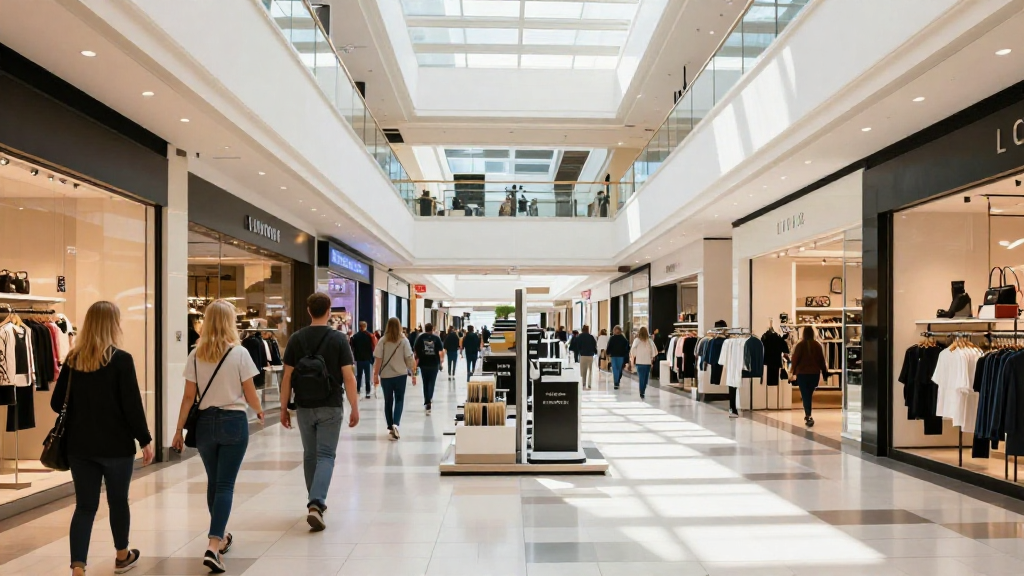
When it comes to shopping, understanding the differences between a mall vs outlet store can significantly enhance your experience.
Many shoppers find themselves torn between the excitement of a traditional mall and the allure of discount prices at outlet stores.
In this article, we’ll break down the key differences to help you make informed decisions during your next shopping spree.
What Is a Mall?
A mall is a large retail complex that houses a variety of shops, services, and entertainment options.
Typically, malls feature:
- Anchor Stores: Large department stores like Macy’s, Nordstrom, or JCPenney.
- Specialty Shops: Smaller retailers that focus on niche markets, such as Hollister or Sephora.
- Dining: Food courts, sit-down restaurants, and cafes.
- Entertainment: Cinemas, arcades, or play areas for kids.
Why Choose a Mall?
Malls offer a wide range of products and services under one roof, making them convenient for shoppers.
Here are a few reasons to consider visiting a mall:
- Variety of Choices: With numerous stores, you can find everything from clothing to electronics, all in one location.
- Seasonal Sales: Malls frequently have sales during major holidays and seasons.
- In-Store Experience: Shopping in-store lets you try on clothes and inspect items before purchase.
- Social Atmosphere: Malls are popular gathering places, often bustling with activity.
What Is an Outlet Store?
An outlet store is a retail location that sells products directly from the manufacturer, often at discounted prices.
These stores usually offer:
- Overstock Items: Products that didn’t sell well or are out of season.
- Factory Seconds: Items with minor defects sold at lower prices.
- Exclusive Outlet Lines: Certain manufacturers create lines specifically for outlet stores.
Why Choose an Outlet Store?
Shopping at outlet stores can lead to significant savings.
Here are some reasons to opt for an outlet store:
- Lower Prices: Products are often marked down significantly compared to retail prices.
- Brand Name Items: Many high-end brands have outlet versions of their products, allowing consumers to snag designer deals.
- Fewer Crowds: Outlet shopping centers can be less crowded than traditional malls.
- Wide Selection: While specialty shops are limited, outlet stores generally have a variety of categories, including apparel, home goods, and shoes.
How Do Pricing Strategies Differ?
A major point of comparison in the mall vs outlet store debate is pricing strategies.
- Mall Pricing: Traditional retail prices often include markup to cover the costs of operations, marketing, and rent.
- Outlet Pricing: Typically, outlet stores offer lower prices because they reduce overhead by selling directly to consumers.
Seasonal Sales vs Year-Round Discounts
Malls frequently offer seasonal sales tied to holidays or events, while outlet stores tend to have consistent sales year-round.
- Retail Sales Events: Black Friday, Back-to-School Sales, and holiday events usually draw shoppers into malls.
- Outlet Markdowns: Many outlets have clearance events and promotions on a rolling basis, providing opportunities for shoppers to save any time of year.
What About Store Selection?
There are notable differences between the types of stores you’ll find in malls compared to outlet stores.
- Malls: Feature a mix of established brands and boutiques that cater to an urban clientele.
- Outlet Stores: Primarily showcase brands focused on providing value, including well-known labels alongside lesser-known ones.
Brand Availability
While both malls and outlet stores offer popular brands, the selection can vary dramatically:
- Malls: You’re likely to find the latest styles from high-fashion brands.
- Outlet Stores: They are filled with discontinued styles or past season’s stock at reduced prices.
How Do Shopping Experiences Differ?
The shopping experience between a mall and an outlet store can also greatly differ.
Mall shopping provides an experience-centric environment, often including:
- Luxury Services: Amenities like personal shopping assistants, lounges, and concierge services.
- Interactive Experiences: Events, pop-ups, and customer engagement activities are common.
Conversely, outlet shopping is typically more focused on value:
- Efficiency: Outlet stores streamline the process to get shoppers in and out quickly.
- Less Frills: Fewer amenities and distractions make the focus primarily on deals.
Which Is Better for You: Market Trends
When deciding between a mall vs outlet store, consider your priorities as a shopper.
- If You Value Variety and Experience: A mall might be the better choice.
- If You Prioritize Discounts: An outlet store is likely going to be more beneficial.
Demographics of Shoppers
Understanding who frequents each can also help frame your shopping experience:
- Malls: Attract a broad demographic, including families, teenagers, and fashion enthusiasts.
- Outlets: Draw consumers focused on bargains and specific brands, often including budget-conscious shoppers.
Conclusion
In summary, the choice between a mall vs outlet store boils down to what you value most in your shopping experience.
While malls provide a diverse shopping environment with many services and selections, outlet stores focus on value and discounts, allowing you to score brand-name items at lower prices.
Both have their distinct advantages and unique offerings.
Ultimately, whether you prefer the hustle and bustle of a mall or the bargain-hunting excitement of an outlet, knowing the differences can help you shop smarter and more effectively.
So next time you head out to shop, remember these distinctions and enjoy the experience that best suits your needs!