When it comes to shopping destinations, consumers often debate between the traditional mall vs lifestyle center.
While both serve as retail hubs, they offer vastly different experiences.
In this article, we will examine the key differences between the two to help you decide which option suits your shopping preferences best.
What Is a Mall?
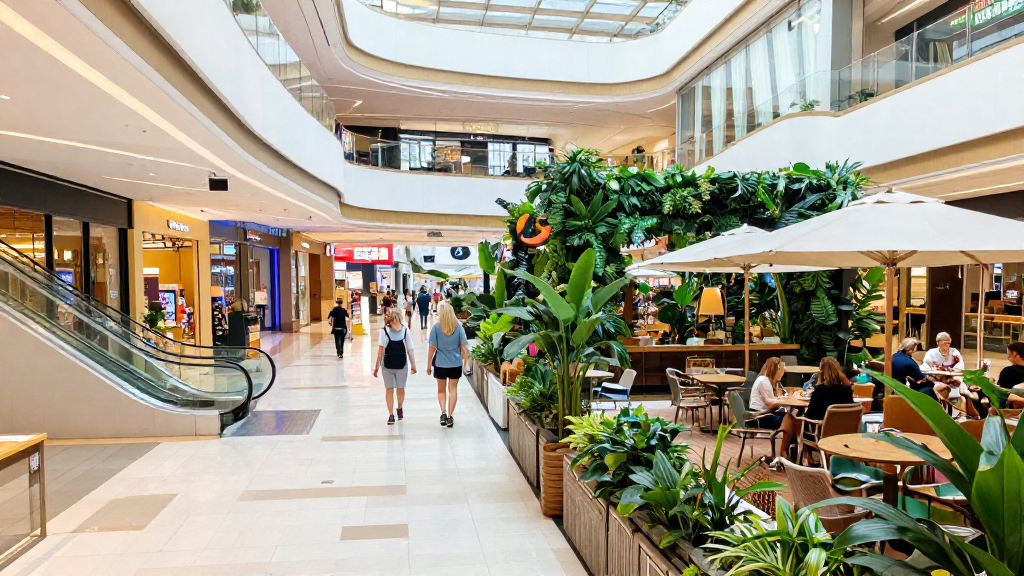
A mall typically refers to a large, indoor shopping complex housing a variety of retail stores, food courts, and entertainment venues.
Key Features of Malls:
- Indoor Space: Malls are usually enclosed, providing a controlled environment, ideal for winter months or rainy days.
- Big Box Retailers: They frequently feature anchor stores, such as department stores and supermarkets, that draw in large crowds.
- Multiple Levels: Many malls have multiple floors, creating a diverse shopping landscape with interconnected hallways.
- Food Courts: A significant aspect of malls is their food courts, offering customers a range of quick-service dining options.
What Is a Lifestyle Center?
A lifestyle center, on the other hand, is an outdoor shopping venue designed to provide a unique shopping experience.
Key Features of Lifestyle Centers:
- Open-Air Layout: Lifestyle centers are typically outdoor environments, often blending shopping with pedestrian-friendly areas.
- Mixed-Use Spaces: They typically include a mix of retail stores, restaurants, and often residential spaces or offices, creating a community feel.
- Experiential Focus: Lifestyle centers often prioritize leisure activities, providing spaces for entertainment, fitness facilities, and events that engage customers beyond shopping.
- Trendy Brands: These centers commonly feature boutique stores and upscale brands, often focusing on lifestyle and niche markets.
How Do Malls and Lifestyle Centers Compare?
The mall vs lifestyle center debate hinges on several factors, including layout, shopping experience, and customer engagement.
What Are the Layout Differences?
-
Design:
– Malls: Enclosed and multi-leveled with climate control.
– Lifestyle Centers: Outdoor and low-rise, promoting natural light and walkability. -
Navigation:
– Malls: Shops are accessed through corridors that can create a maze-like feel.
– Lifestyle Centers: Shops are organized in a more pedestrian-friendly way, often arranged around central squares or plazas. -
Parking:
– Malls: Parking is usually in large lots or multi-level garages attached to the mall.
– Lifestyle Centers: Often feature parking close to stores, making it easier for customers to access shops without long walks.
How Do the Shopping Experiences Differ?
-
Atmosphere:
– Malls: Focused on shopping as the core activity, with a bustling energy.
– Lifestyle Centers: Atmosphere tends to be more relaxed and communal, encouraging lingering. -
Events:
– Malls: Generally host fewer events, mainly focused on sales or promotional events.
– Lifestyle Centers: Frequently organize community events such as farmers’ markets, outdoor concerts, or seasonal festivals. -
Dining Options:
– Malls: Usually have fast-casual and fast-food options in food courts.
– Lifestyle Centers: Offer a broader range of sit-down restaurants and cafes, enhancing the dining experience.
What Kind of Retailers Can You Expect?
-
Store Variety:
– Malls: House a wide range of brand offerings, from well-known chains to various specialty stores.
– Lifestyle Centers: Lean towards more niche or high-end brands, catering to a specific demographic. -
Store Size:
– Malls: Often have larger store formats, especially for anchor tenants.
– Lifestyle Centers: Feature smaller boutiques and trendy shops that focus on unique merchandise. -
Convenience:
– Malls: Offer greater convenience for one-stop shopping, as you can find everything from clothes to groceries under one roof.
– Lifestyle Centers: Provide a curated shopping experience promoting lifestyle rather than a broad assortment.
Why Are Malls Still Relevant?
Despite the rise in popularity of lifestyle centers, malls are still an integral part of the retail landscape.
Reasons for Their Endurance:
– Diversity of Choices: Malls offer an unparalleled selection that caters to diverse shopping needs.
– Convenience: Everything from fashion to groceries can be accessed in one visit.
– Entertainment: Many malls are evolving by adding entertainment options, such as cinemas, arcades, and bowling alleys.
Why Is the Trend Shifting Toward Lifestyle Centers?
Lifestyle centers are gaining traction for several reasons.
Key Factors Driving Popularity:
– Community Engagement: They foster a sense of community, making them appealing to families and social gatherings.
– Health and Wellness Trends: The open-air design aligns with the growing focus on healthy living, encouraging outdoor activities.
– Enhanced Shopping Experience: The relaxed environment promotes a more enjoyable and leisurely shopping experience.
Conclusion: Which One Should You Choose?
When considering the mall vs lifestyle center, your choice will largely depend on what type of experience you’re looking for.
- If you prefer a convenient, all-under-one-roof shopping experience, a mall may be the best option for you.
- If you value boutique shopping and community engagement, a lifestyle center will likely provide the experience you seek.
Both shopping environments cater to specific consumer interests.
Ultimately, it’s about what resonates with your shopping style.
Whichever you choose, you’re sure to find something that meets your needs and enhances your experience!