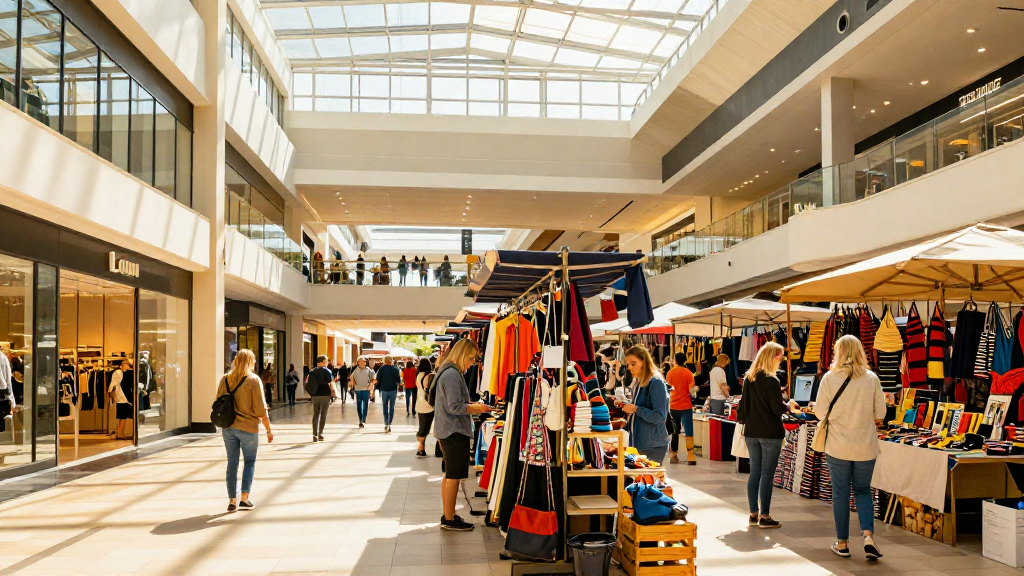
When it comes to shopping, the question of mall vs flea market often arises.
Both platforms offer unique experiences and attract different types of shoppers, but they vary significantly in atmosphere, offerings, and overall appeal.
In this article, we’ll explore these key differences to help you better understand which shopping experience may suit your needs.
What Characterizes a Mall?
What are the Features of a Mall?
Malls are large, indoor shopping complexes filled with a variety of retail stores, restaurants, and entertainment options.
Here are some defining features of a mall:
-
Structure: Malls are usually grand buildings divided into multiple sections, each containing various stores.
-
Retail Variety: You can find everything from high-end luxury brands to discount retailers.
-
Amenities: Malls typically offer conveniences like food courts, restrooms, parking areas, and, in some cases, entertainment venues such as cinemas.
-
Atmosphere: The environment is often climate-controlled, providing a comfortable shopping experience regardless of the weather outside.
-
Store Layout: Malls have multiple levels and directories to guide customers through the vast selection of shops.
Shoppers go to malls for a comprehensive shopping experience, often perceiving them as a one-stop destination for all their needs.
What About a Flea Market?
What are the Features of a Flea Market?
Flea markets present a stark contrast to malls.
These markets are temporary or permanent open-air venues where vendors sell second-hand goods, handmade items, antiques, and unique products.
Here’s what sets flea markets apart:
-
Variety of Goods: While you might find some new items, the primary draw is the wide range of vintage, antique, and handcrafted products.
-
Pricing: Goods at flea markets are often less expensive than those at malls, making it easier for shoppers to snag a bargain.
-
Vendors: Most vendors at flea markets are individuals or small businesses, and you can often engage directly with them, leading to a more personalized shopping experience.
-
Atmosphere: Flea markets typically have a casual, relaxed vibe, often taking place outdoors.
-
Layout: Vendors usually set up tables or booths without a structured layout, giving the market a more eclectic feel.
In summary, flea markets are about discovering unique items and enjoying the thrill of the hunt.
How Do Pricing Structures Compare?
Is There a Pricing Difference Between Malls and Flea Markets?
Pricing is a major factor in the mall vs flea market debate.
At malls, prices are generally higher because:
-
Overhead Costs: Retailers need to cover rent, employees, and utilities, which are higher in malls.
-
Brand Value: Many products are sold at a premium due to brand reputation and perceived value.
Conversely, at flea markets:
-
Lower Overhead: Vendors often have lower costs, allowing them to sell products at reduced prices.
-
Negotiation: It’s common to haggle over prices in flea markets, which can lead to even better deals.
For bargain-hunters, flea markets offer an attractive alternative to the pricing structure of retail chains found in malls.
What Types of Products Can You Find?
Are Product Offerings Different in Malls and Flea Markets?
The types of products offered at malls and flea markets vary significantly.
At malls, you can find:
-
Clothing and Accessories: From fast fashion brands to luxury designers.
-
Electronics: New gadgets and appliances from well-known brands.
-
Home Goods: Many stores offer furniture, décor, and kitchenware.
-
Health and Beauty Products: Malls often host department stores alongside specialized shops for cosmetics and skincare.
Conversely, flea markets feature:
-
Antiques: Unique vintage items that cannot be found at traditional retailers.
-
Handcrafted Goods: Emerging artisans offering handmade jewelry, clothing, and accessories.
-
Collectibles: From vintage toys to rare vinyl records, the offerings are often unique.
-
Food Items: Many flea markets have vendors selling homemade foods, snacks, or local produce.
The variety in products highlights the main distinction between shopping at these two venues, depending on what you’re seeking: the mass-produced versus the unique.
Which Experience Offers Better Social Interaction?
How Does Interaction Differ at Malls and Flea Markets?
One of the key differences in the mall vs flea market comparison is social interaction.
Shopping at a mall can often feel impersonal.
Here’s why:
-
Store Employees: Employees may assist you, but interactions are usually brief and transactional.
-
Crowds: Malls can become crowded, leading to a less intimate experience.
On the other hand, flea markets foster a more engaging atmosphere:
-
Vendor Interaction: You can have meaningful conversations with vendors, learning more about their products.
-
Community Feel: Flea markets often feel like community gatherings, drawing locals and providing a chance for socialization.
If you’re looking for a shopping experience that offers more than just purchasing, flea markets could be the more rewarding choice.
What Are the Best Times to Visit?
When Should You Shop at a Mall or a Flea Market?
Time your visit wisely to make the most out of your shopping experience.
Malls:
-
Weekends: Malls can become crowded, especially during peak times like Saturdays or holiday seasons.
-
Sales Events: Take advantage of sales during Black Friday or end-of-season clearances.
Flea Markets:
-
Weekends: Most flea markets operate on weekends, making it the primary time for vendors to showcase their goods.
-
Early Birds: Arriving early provides the best selection and the chance to negotiate prices before items sell out.
Planning your visit according to these factors can maximize your enjoyment and shopping success.
Conclusion: Which is Right for You?
The debate of mall vs flea market ultimately comes down to personal preference and shopping goals.
If you’re looking for a wide array of shopping options, climate control, and brand consistency, a mall is likely the better option.
However, if you enjoy unique finds, the thrill of bargaining, and a vibrant community atmosphere, flea markets can be incredibly rewarding.
Understanding the differences can help you choose the right shopping experience for your next outing.
Whether you opt for the structured environment of a mall or the eclectic nature of a flea market, each offers a distinctive glimpse into the world of shopping.