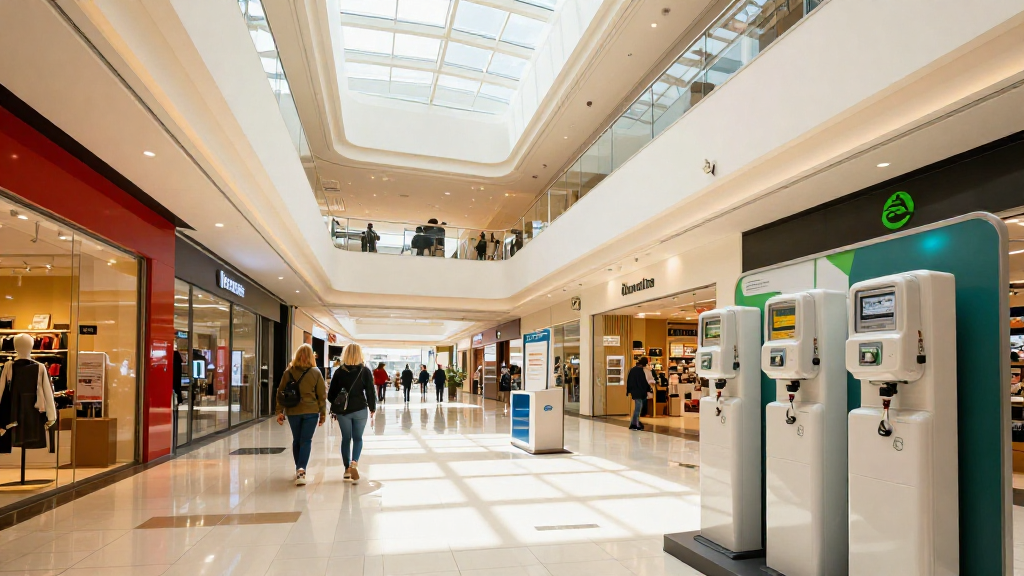
Understanding how mall utility cost allocation works is essential for both mall management and tenants.
It helps ensure fair distribution of expenses, enhances transparency, and ultimately contributes to a successful mall operation.
What Is Mall Utility Cost Allocation?
Mall utility cost allocation refers to the method by which a shopping mall distributes its utility expenses among its tenants.
Utilities typically include:
- Electricity
- Water
- Sewage
- Heating and cooling systems
These costs can represent a substantial part of operational expenses.
Why Is Utility Cost Allocation Important?
Proper mall utility cost allocation is crucial for several reasons:
- Fairness: Tenants want to ensure that they are only paying for what they use.
- Transparency: Clear allocation procedures increase trust between mall management and tenants.
- Budgeting: Accurate allocations help tenants effectively manage their budgets and operational expenses.
- Attracting Tenants: An equitable cost allocation system can make a mall more appealing to prospective tenants.
How Are Utility Costs Calculated?
The method for mall utility cost allocation can vary depending on the mall’s management, size, and infrastructure. Here are a few common approaches:
1. Proportional Allocation
This method divides utility costs based on the square footage of each lease.
- Calculation: Total utility costs ÷ Total square footage = Cost per square foot
- Each tenant pays based on their leased area.
2. Metered Allocation
In this approach, utilities are measured via meters installed in each tenant’s space.
- Advantages: Allows for precise billing based on actual consumption.
- Ideal for tenants who have significantly different utility needs (e.g., restaurants vs. clothing stores).
3. Percentage of Sales Allocation
This less common but effective method ties the utility costs to each tenant’s sales performance.
- Calculation: Utility costs are calculated as a percentage of each tenant’s gross sales.
- Works well for markets where some tenants may experience seasonality in business.
4. Flat Fee Allocation
Some malls choose a flat fee strategy regardless of variable factors.
- All tenants pay the same amount for utilities, which simplifies accounting.
- This can lead to discontent among tenants who might use significantly more utilities than others.
What Factors Influence Utility Costs in a Mall?
Several elements play a key role in determining the mall utility cost allocation:
1. Size and Type of Mall
- Large malls tend to have higher aggregate utility costs, while smaller malls may benefit from scaled-down expenses.
- The mall type, whether it’s an outlet, lifestyle center, or traditional shopping mall, can also affect utilities based on foot traffic and operational hours.
2. Tenant Mix
- The types of tenants present in the mall can significantly influence utility costs.
- For instance, food courts and restaurants typically consume more water and electricity than retail stores.
3. Seasonal Traffic Patterns
- Malls often experience fluctuations in foot traffic based on seasons.
- Utility costs might rise in seasons like holidays when more lights and heating or cooling are required.
4. Energy Efficiency Practices
- Malls implementing green initiatives may see reduced utility costs over time.
- Examples include energy-efficient lighting, HVAC systems, or water-saving fixtures.
How Do Malls Choose the Right Allocation Method?
Choosing the right mall utility cost allocation method is not a one-size-fits-all solution.
Factors to consider include:
- The needs and preferences of tenants: Surveys can help determine which method is most favorable.
- Financial impact: Management should analyze potential financial outcomes for both the mall and tenants under different allocation structures.
- Regulatory considerations: Some jurisdictions may have regulations that dictate how utility costs should be allocated.
- Administrative feasibility: The easier it is to implement, the more likely the chosen method will be successful.
What Are the Challenges of Utility Cost Allocation?
Mall utility cost allocation is not without its challenges. Here are some common issues:
1. Complexity
Different allocation methods can serve different tenant needs but may complicate the billing system.
2. Disputes
Tenants may dispute allocations they feel are unfair, leading to friction between management and tenants.
3. Changes Over Time
Utility costs can fluctuate based on market conditions and environmental factors, making long-term predictions difficult.
4. Technological Advances
As new technologies emerge, methods for measuring utility usage can change, requiring a reassessment of allocation strategies.
What Best Practices Should Malls Follow?
To ensure a successful mall utility cost allocation process, implementing best practices is essential. Key practices include:
1. Regular Communication with Tenants
Establish open lines of communication concerning utility costs, consumption trends, and reasoning behind allocation methods.
2. Transparency in Methodology
Tenants should be made aware of how costs are calculated and the rationale behind chosen methods.
3. Periodic Reviews
Conduct regular assessments of the utility allocation method to ensure its accuracy and relevance.
4. Incorporating Technology
Utilize modern measuring and tracking tools, such as smart meters, to enhance accuracy in utility cost allocation.
Conclusion: Ensuring Fair Utility Cost Allocation
Understanding mall utility cost allocation is essential for effective mall management and tenant satisfaction.
Choosing a fair and efficient allocation method can enhance relationships between mall management and tenants.
Moreover, adherence to best practices, open communication, and embracing technological advances will contribute to a successful utility cost management strategy, benefiting all parties involved.
In the competitive retail landscape, ensuring fair utility cost allocation can make a significant difference in attracting and retaining quality tenants, ultimately driving the success of the mall.