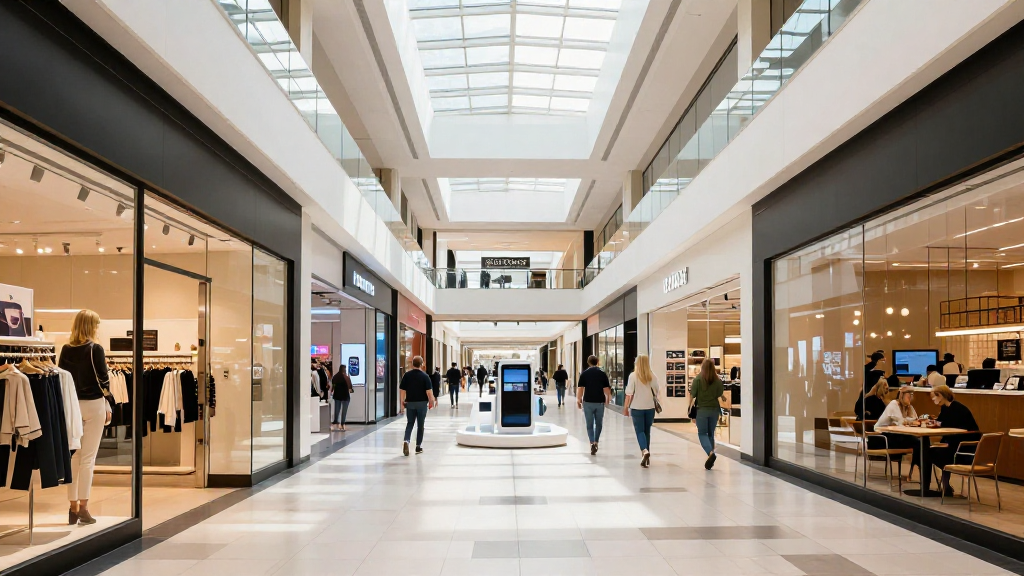
When you think about shopping, the variety of mall retail unit types plays a crucial role in creating a diverse and enjoyable experience for consumers.
Each retail unit brings a unique offering, appealing to various customer preferences and shopping habits. Let’s dive into the different types of retail units found in a mall and explore how they contribute to the overall shopping atmosphere.
What Are the Key Mall Retail Unit Types?
When categorizing mall retail unit types, it’s essential to consider the format, size, and purpose of each retail space. Here are the primary categories:
-
Anchor Stores
These are the larger, well-known retail establishments located at the ends or major intersections of a mall.
– Typically, they occupy the most extensive floor space.
– Examples include department stores like Macy’s, Nordstrom, or Sears.
– They attract high foot traffic, serving as a draw for smaller retailers in the vicinity. -
Inline Stores
Inline stores are smaller than anchor stores and are situated along the mall corridors.
– They can range from specialty shops to popular chain brands.
– Examples include H&M, Foot Locker, and Sephora.
– These retail units often cater to specific shopping needs and target niche markets. -
Pop-Up Shops
These are temporary retail units that emerge for a limited time, often tied to seasonal trends or events.
– They enable brands to test markets without a long-term commitment.
– Examples include holiday pop-ups or promotional launches for new products.
– Pop-up shops create a sense of urgency and exclusivity, encouraging immediate purchases. -
Kiosks
Kiosks are small, often movable retail units that require minimal space and are typically placed in high-traffic areas of the mall.
– They predominantly sell specific categories like snacks, accessories, or quick-service items.
– These can include vendors that sell jewelry, phone accessories, or handmade crafts.
– Kiosks are an excellent way for entrepreneurs to gain visibility without the overhead costs of a full retail unit. -
Food Courts
Although not traditional retail units, food courts comprise various dining options within a mall, providing a crucial service.
– They usually contain fast food chains, casual dining, and dessert options.
– Examples include McDonald’s, Chick-fil-A, and local cuisine options.
– A food court enhances the shopping experience, allowing customers to refuel and socialize. -
Service-Based Units
These retail units focus on providing services rather than products and can include hair salons, tech repair shops, or spas.
– Examples include Great Clips, Apple Genius Bar, or massage therapy centers.
– Service-based units add an experiential element to malls, allowing for multitasking—shopping while indulging in personal care.
Why Are These Mall Retail Unit Types Important?
Understanding the different mall retail unit types is vital for several reasons:
-
Diversity in Offerings:
A varied mix appeals to different demographics, from teens to professionals and families. -
Increased Foot Traffic:
Anchor stores draw in crowds that may also visit inline and kiosk stores, benefiting the entire mall ecosystem. -
Enhanced Experience:
Combining shopping with dining and services provides a holistic outing, making it a preferred destination for leisure. -
Economic Impact:
Retail units contribute to local economies through job creation and tax revenue, supporting community growth.
How Do Mall Retail Unit Types Influence Consumer Behavior?
The different mall retail unit types can significantly influence customer preferences and shopping behavior.
-
Impulse Purchases:
Kiosks strategically placed near entrances or high-traffic walkways often trigger impulse buys due to their visibility. -
Discoverability:
Inlined stores allow shoppers to discover new brands they may not have considered before, fostering curiosity and adventure. -
Comfort and Convenience:
Food courts help customers take breaks during their shopping spree, inadvertently prolonging their mall visits. -
Brand Loyalty:
Anchor stores often have loyal customer bases, which can drive traffic to surrounding units.
Are There Trends Affecting Mall Retail Unit Types?
The retail landscape is constantly evolving, especially post-pandemic. Here are some current trends influencing mall retail unit types:
-
Experiential Retail:
– Retailers are creating immersive experiences that go beyond traditional shopping.
– Examples include hosting workshops, product testing, and interactive displays. -
Sustainability:
– Brands are increasingly focusing on sustainable practices, from eco-friendly products to minimizing waste.
– This trend resonates with environmentally conscious consumers. -
Digital Integration:
– With the rise of e-commerce, many malls are incorporating tech solutions into their units.
– Examples include augmented reality fitting rooms and mobile order and pay systems. -
Community Spaces:
– Malls are transforming some retail spaces into community-centric areas, emphasizing social interaction and local culture.
– This can include art installations, community events, and local markets showcasing local brands.
How Do Retailers Choose the Right Mall Retail Unit Type?
When considering mall retail unit types, several factors guide retailers in making their selections:
- Target Audience:
-
Retailers must understand their customer demographics and preferences to choose the most suitable unit type.
-
Location within the Mall:
-
Being positioned near anchor stores or high foot traffic areas can help smaller retailers boost visibility and sales.
-
Budget:
-
Rental costs and accessibility impact the choice of retail unit; pop-up shops offer a lower risk with reduced commitment.
-
Brand Strategy:
- Aligning the retail format with the overall marketing strategy is crucial for establishing an appropriate brand presence.
Conclusion
The variety of mall retail unit types significantly contributes to the shopping experience and influences consumer behavior.
Understanding the distinct categories and current trends can help retailers make informed decisions when selecting their retail spaces.
This diverse array of offerings not only enriches our shopping journeys but also plays a critical role in fostering community engagement and economic activity.
As the retail landscape continues to evolve, staying informed about the different types of mall retail units will be essential for both consumers and retailers alike.