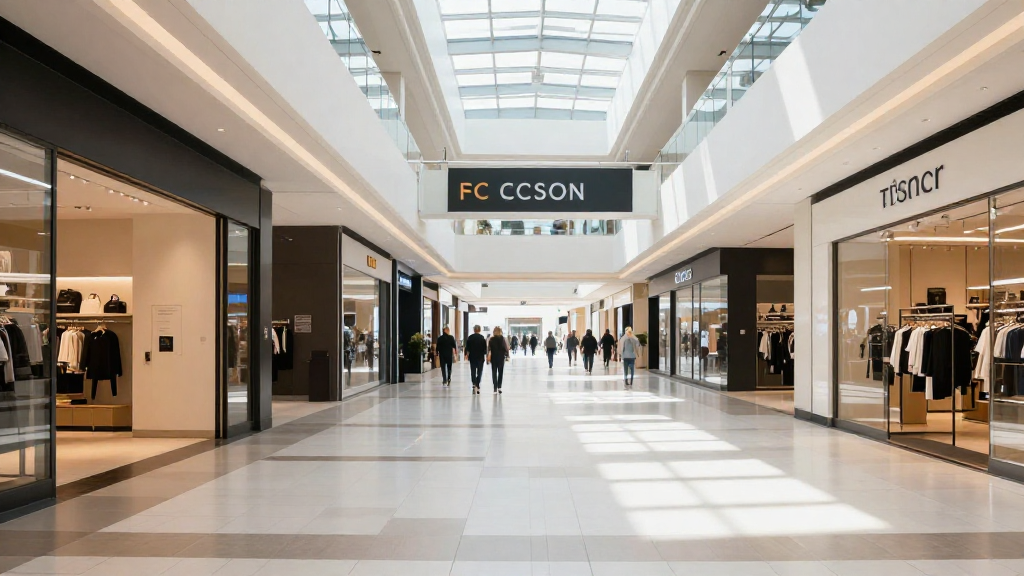
When considering the best location for your retail business, understanding mall retail space sizes is essential for success. This article explores the typical sizes of retail spaces found in malls, helping you determine the right fit for your business.
Why Does Mall Retail Space Size Matter?
When choosing a mall retail space size, understanding the layout and dimensions of the space can directly affect your business operations and profitability. Here’s why size matters:
- Customer Experience: The right size allows for an inviting atmosphere.
- Product Display: Adequate space helps showcase your inventory effectively.
- Rental Costs: Space size influences rent, impacting your budget.
By knowing the common mall retail space sizes, you can make informed decisions that align with your business model.
What Are the Typical Mall Retail Space Sizes?
Retail spaces in malls come in various sizes, each suited for different types of businesses. Below are the most common mall retail space sizes:
-
Small Retail Spaces (100 – 1,000 sq. ft.)
– Ideal for: Startups, kiosks, pop-up shops, or specialty stores.
– Advantages: Lower rent, easy to manage, and a great choice for niche markets.
– Considerations: Limited display options and inventory capacity. -
Medium Retail Spaces (1,000 – 5,000 sq. ft.)
– Ideal for: Established brands, clothing stores, or boutiques.
– Advantages: More flexibility in layout, allowing for better product display and customer flow.
– Considerations: Moderate rental costs and increased operational complexities. -
Large Retail Spaces (5,000 – 10,000 sq. ft.)
– Ideal for: Department stores, large franchises, or supermarket chains.
– Advantages: Ample space for a broad inventory and diverse product categories.
– Considerations: Higher rental expenses and greater overhead costs. -
Very Large Retail Spaces (10,000+ sq. ft.)
– Ideal for: Flagship stores, major retailers, or entertainment venues.
– Advantages: Capacity for extensive product offerings and unique customer experiences.
– Considerations: Significant financial commitment and intensive management needs.
Understanding these common mall retail space sizes can help you select the ideal space for your retail business based on your target market and operational needs.
How Does Location Affect Mall Retail Space Sizes?
Location plays a crucial role in determining the best mall retail space sizes for your business. Here are some location factors to consider:
- Foot Traffic: High-traffic areas require more mall retail space sizes to accommodate a larger crowd.
- Target Audience: Upscale shopping malls may favor larger spaces for high-end retailers, while discount malls may offer smaller, more economical spaces.
- Competition: An area with many competing retailers may lead to smaller spaces, as businesses try to minimize costs.
- Accessibility: Ensure your space is accessible to your target demographic. Larger spaces may be necessary for family-focused offerings.
The interplay of these factors can significantly influence your choice of mall retail space sizes.
What Are the Costs Associated with Mall Retail Space Sizes?
Costs can vary significantly based on the mall retail space sizes you consider. Here’s a breakdown of what you might expect:
-
Rent:
– Generally, larger spaces incur higher rent due to their size and potential for increased foot traffic.
– Small spaces may be more affordable, making them an excellent choice for startups. -
Utilities:
– Costs increase with size due to the need for additional lighting, heating, and cooling. -
Maintenance:
– Larger spaces often require more frequent maintenance and upkeep. -
Inventory Costs:
– Larger spaces can house more inventory, but this also requires higher investment in stock. -
Employee Costs:
– A larger space may necessitate additional staff for operations, further driving up costs.
Knowing the cost implications of various mall retail space sizes ensures you stay within your budget while meeting your business needs.
How to Choose the Right Mall Retail Space Size for Your Business?
Choosing the right mall retail space size can be daunting, but following these tips can simplify the process:
-
Define Your Business Model:
– Determine what products you’ll be selling and how much inventory you’ll need.
– Assess whether you’ll need a large space for a variety of goods or a smaller one for specialized items. -
Evaluate Customer Flow:
– Observe customer traffic patterns in prospective malls to gauge foot traffic.
– Choose a size that can accommodate expected customer volumes without feeling cluttered. -
Consider Future Growth:
– Anticipate your business’s growth. Choosing a larger space can allow for expansion without relocation. -
Assess the Competition:
– Research similar retailers in the area. Consider their space sizes and customer engagement to remain competitive. -
Think About Layout & Design:
– Plan your store layout based on the size of the space. Think about how customers will navigate through your space.
By following these tips, determining the most suitable mall retail space sizes becomes more achievable.
Conclusion: Making the Right Decision on Mall Retail Space Sizes
Selecting the right mall retail space sizes is crucial for the success of your retail business.
Understanding the common sizes, evaluating your needs, and considering factors like location and costs are all integral to making an informed decision.
Take your time to analyze all aspects before finalizing your choice.
With the right knowledge and planning, you can find a retail space that meets your business goals while attracting and retaining customers.
A well-chosen mall retail space size can not only enhance your operations but significantly contribute to your long-term success.