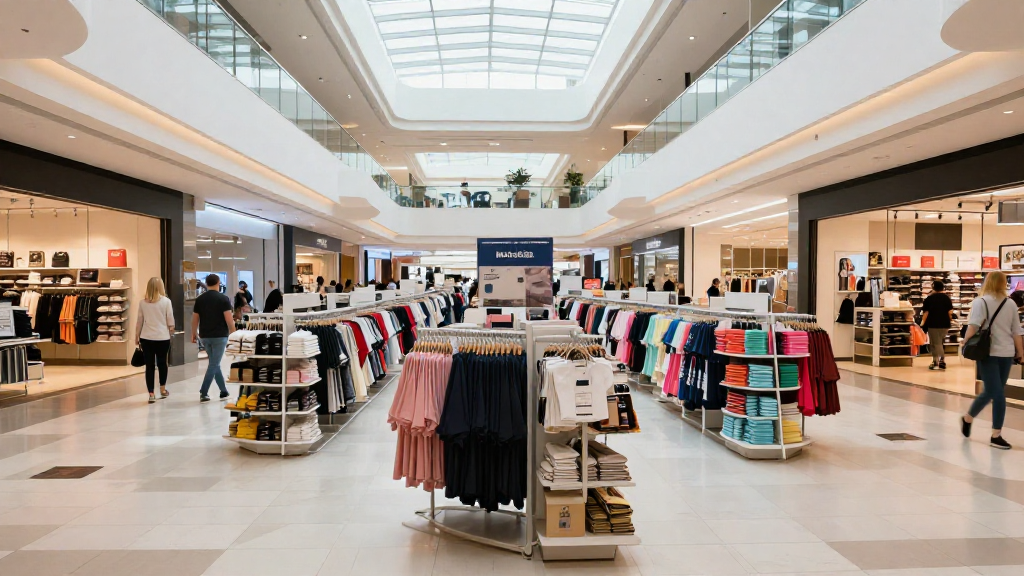
Planning a successful mall retail category layout is crucial for maximizing customer engagement and optimizing sales.
Creating a well-thought-out layout involves various strategies that cater to consumer behavior, retailer needs, and overall aesthetics.
What Is a Mall Retail Category Layout?
The mall retail category layout refers to the strategic organization of stores and product categories within a shopping mall.
It is designed to enhance the shopping experience and encourage foot traffic.
This layout can significantly influence how shoppers navigate through the mall, making it an essential element of retail design.
Why Is the Layout Important for Malls?
The importance of the mall retail category layout cannot be overstated.
It impacts several crucial factors:
-
Customer Flow: A well-planned layout guides customers through various sections, preventing congestion and ensuring smooth traffic flow.
-
Merchandising Opportunities: Strategic placement of stores allows for cross-promotional opportunities and increased visibility of high-margin products.
-
Anchor Stores: Typically larger and well-known, anchor stores are placed strategically to draw traffic to smaller stores.
-
Brand Visibility: A mall retail category layout designed with prominent signage enhances brand presence and recognition.
-
Customer Experience: Well-placed amenities such as seating and food courts enrich the shopping experience, encouraging customers to spend more time in the mall.
How Are Retail Categories Determined?
So, how do mall designers determine the best retail categories?
-
Market Analysis: Designers start with extensive market research. This involves analyzing demographic data to understand the preferences of the target audience.
-
Competitive Landscape: Understanding what similar malls offer helps to identify gaps in the market.
-
Consumer Behavior Trends: Knowing current shopping behaviors and trends allows malls to attract the right retailers.
-
Retailer Input: Engaging with potential tenants can provide insights into what retailers want in terms of layout and location.
What Factors Influence the Layout Design?
Several factors play a role in the mall retail category layout design:
-
Traffic Patterns: Designers must observe foot traffic patterns, including peak shopping times and high-traffic zones.
-
Space Optimization: Each store type requires different space parameters. For example, a clothing store typically needs a larger fitting area than a jewelry store.
-
Aesthetic Considerations: The overall look and feel of the mall contribute to customer satisfaction. Thus, visual appeal should not be overlooked.
-
Zoning: Allocating different zones for various product categories (e.g., clothing, electronics, home goods) ensures that consumers find what they need with minimal hassle.
What Are the Different Layout Types for Malls?
When planning the mall retail category layout, different layout types can be adopted:
-
Grid Layout: This straightforward arrangement features long corridors intersected by stores. It is easy for shoppers to follow but may limit visual appeal.
-
Racetrack Layout: Stores are set around a central path, allowing for effective customer flow and visibility of multiple retailers.
-
Free-Form Layout: This layout is less structured and often used for high-end malls. It fosters a more relaxed shopping experience and can lead to spontaneous purchases.
-
Diagonal Layout: Incorporating diagonal paths can create unique shopping experiences and enhance customer engagement.
How Is Traffic Flow Optimized?
Optimizing traffic flow is a critical aspect of the mall retail category layout. Here are some methods employed:
-
Anchor Store Placement: Anchor stores should be positioned at either end or in the center to draw customers toward other stores.
-
Pathways and Shortcuts: Creating easily navigable pathways helps customers move through the space without confusion.
-
Signage: Effective directional signage is vital to guide shoppers swiftly to their desired destination.
-
Food Courts and Amenities: Strategically placing food courts encourages shoppers to rest while absorbing the mall environment.
How Do Designers Choose Anchor Stores?
What Criteria Are Used for Selecting Anchor Stores?
Choosing the right anchor stores is a vital component of any mall retail category layout.
Designers typically consider the following criteria:
-
Brand Recognition: Well-known brands that attract foot traffic are prime candidates for anchor spots.
-
Diverse Offerings: Anchors should offer a range of products that appeal to a broad audience, enticing more shoppers.
-
Accessibility: The location of anchor stores should be easily accessible, ensuring high visibility.
-
Synergistic Relationships: Sometimes, it makes sense for specific anchors to be strategically placed next to one another, enhancing shopper flow and convenience.
How Are Amenities Incorporated into the Layout?
What Role Do Amenities Play in the Retail Experience?
Amenities play an incredible role in shaping the mall retail category layout. Here are key aspects of how they are integrated:
-
Seating Areas: Placing seating near anchor stores or food courts allows for rest points that keep customers engaged.
-
Restrooms: Conveniently located restrooms can positively affect customer satisfaction and retention time.
-
Play Areas: For malls catering to families, children’s play areas can help increase dwell time, allowing parents to shop while their children play.
-
Wayfinding Systems: Clear maps and directories allow customers to plan their visit, which can enhance overall experience and encourage revisits.
How Do Seasonal Changes Affect Layouts?
Should Malls Adapt Layouts for Seasonal Shifts?
Yes, adapting the mall retail category layout for seasonal changes can be beneficial.
This may involve:
-
Promotional Spaces: Creating temporary displays for seasonal promotions draws attention to relevant products.
-
Themed Decor: Seasonal decorations can create a festive atmosphere that enhances consumer engagement.
-
Store Rotation: During peak seasons like the holidays, some malls create pop-up stores to feature new or seasonal brands.
Conclusion: Importance of Strategic Mall Retail Category Layout
A well-planned mall retail category layout is essential for ensuring a positive shopping experience and maximizing sales.
By understanding consumer behavior, optimizing traffic flow, and considering various layouts, designers can create spaces that not only meet retail needs but also keep customers coming back.
Ultimately, the objective is to create an enjoyable and seamless shopping journey that encourages exploration and enhances dwell time.
As consumer preferences continue to evolve, staying ahead of trends and adapting layouts will be crucial to the success of future retail environments.