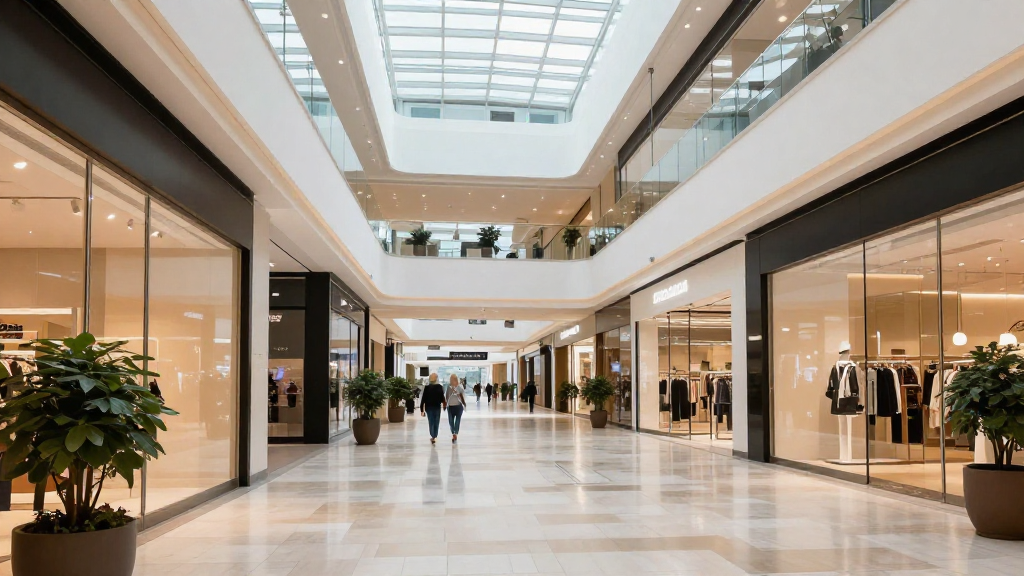
Understanding the dynamics of mall rent per square foot is crucial for both retailers and investors in the commercial real estate market.
What Factors Influence Mall Rent Per Square Foot?
Several factors play into determining the average mall rent per square foot, including:
-
Location: Prime locations within metropolitan areas tend to have higher rents compared to suburban or less populated regions.
-
Type of Mall: The average rent may vary between luxury, outlet, and traditional shopping malls, with luxury malls commanding premium prices.
-
Foot Traffic: Malls with high foot traffic typically charge more because they offer businesses better exposure and potential sales.
-
Store Size: Larger spaces might have different pricing structures compared to smaller units, often leading to lower averages per square foot for bigger retailers.
-
Amenities and Facilities: Malls that offer additional services such as valet parking, family restrooms, or entertainment options may see a rise in their rental prices.
What Is the Average Mall Rent Per Square Foot?
On average, mall rent per square foot across the United States can range from $20 to $50 annually.
High-end areas or luxury malls may charge upwards of $100 to $150 per square foot.
Here are some notable averages:
-
Traditional Shopping Malls: $20 – $40 per square foot.
-
Outlet Centers: $15 – $30 per square foot.
-
Luxury Malls: $70 – $150 per square foot.
How Do Different Types of Malls Affect Rental Costs?
The type of mall has a profound impact on the mall rent per square foot:
-
Luxury Malls:
– Brands like Gucci and Louis Vuitton dominate this space, creating a prestigious image that allows them to charge more.
– Average rents can exceed $100 per square foot. -
Traditional Malls:
– These usually include a mix of mid-range retailers and smaller specialty shops.
– Average rents are between $20 and $40 per square foot. -
Outlet Centers:
– Featuring discounted brand-name merchandise, these usually have the lowest rents.
– Average rents tend to range from $15 to $30 per square foot.
Who Typically Pays Mall Rent Per Square Foot?
Retailers and business owners leasing space in a mall are typically responsible for paying mall rent per square foot.
However, the payment structure can vary. Here are the common lease types and what they typically entail:
-
Base Lease: This is the fixed amount of rent due, generally calculated per square foot.
-
Percentage Lease: Rent is determined as a percentage of the business’s sales, often used by retailers in higher traffic malls.
-
Gross Lease: The landlord covers most expenses, while the tenant pays a flat rate.
Why is Understanding Average Mall Rent Per Square Foot Important?
Knowing the mall rent per square foot is essential for various reasons:
-
Budget Management: Retailers need to understand their potential rent expenses when planning their budgets.
-
Location Selection: Both investors and retailers can make informed decisions about location based on rent averages.
-
Competitive Analysis: It helps businesses understand their competitors’ costs and pricing strategies.
How Can You Find Mall Rent Per Square Foot Information?
There are several resources for researching mall rent per square foot:
-
Commercial Real Estate Websites: Websites like LoopNet or CoStar offer listings and rental data.
-
Leasing Brokers: Professional brokers can provide accurate and current market information.
-
Industry Reports: Many commercial real estate firms release annual reports with detailed analysis of mall rents.
What Trends Are Influencing Mall Rent Per Square Foot?
Several prevailing trends are impacting the mall rent per square foot:
-
E-commerce Growth: As online shopping continues to rise, physical stores may face pressure on rental rates.
-
Experiential Retail: Malls that offer experiences (like indoor amusement parks or unique events) may command higher rents.
-
Health and Safety Regulations: Post-pandemic, properties that maintain high health standards can attract more tenants, influencing rental costs positively.
What Can Retailers Do to Prepare for Mall Rent Costs?
In preparation for negotiating mall rent per square foot agreements, retailers should consider the following:
-
Market Research: Analyzing comparable market rents can provide leverage during negotiations.
-
Sales Projections: Have realistic projections to justify your desired rental rate based on predicted sales.
-
Flexible Lease Terms: Being open to different lease structures can create opportunities to negotiate a better deal.
Conclusion: The Importance of Average Mall Rent Per Square Foot
Understanding mall rent per square foot is a fundamental part of navigating the retail landscape.
Whether you are a prospective tenant, investor, or even a business owner, being informed about rental costs and their influencing factors can help you make better decisions.
The average rent can vary significantly based on multiple elements, from mall type to location, making it vital for stakeholders to research and analyze the information carefully.
By being prepared and knowledgeable, you can find the most suitable space that meets your needs while also being mindful of expenses.
Ultimately, a well-informed tenant is more equipped to negotiate favorable terms in their lease agreements, setting the path for future success in the retail arena.