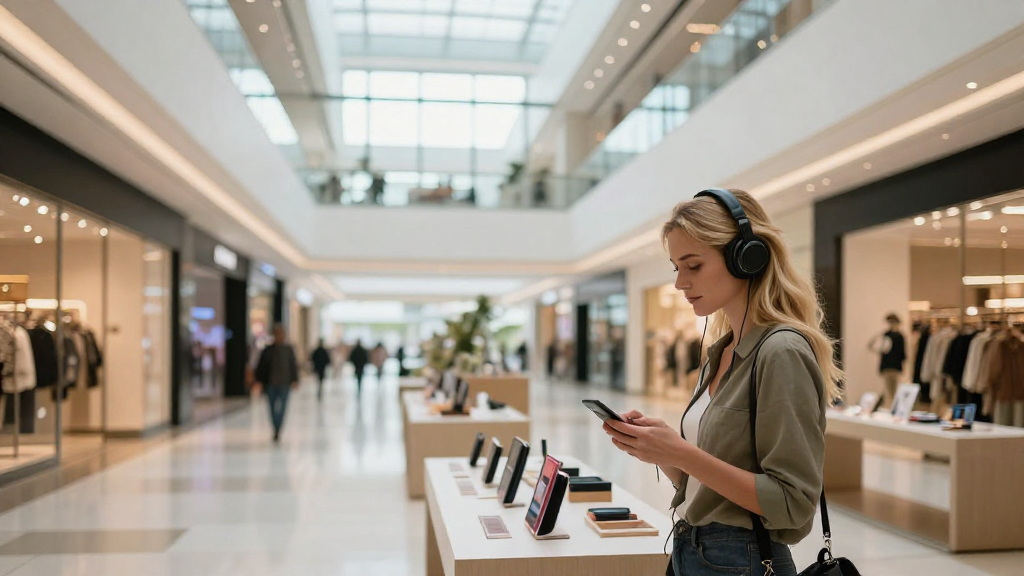
When it comes to mall music licensing, understanding the intricate legalities is essential for mall owners and retailers alike.
What Is Mall Music Licensing?
Understanding the basics of mall music licensing is the first step toward ensuring compliance and enhancing the customer experience.
Mall music licensing refers to the permissions required to play music in a shopping mall environment.
This includes music played in common areas, retail stores, food courts, and promotional events.
These licenses are crucial for protecting the rights of artists and songwriters, ensuring they are compensated for the use of their work.
Who Regulates Mall Music Licensing?
Multiple organizations oversee mall music licensing to ensure that musical works are used properly.
The most prominent among these are:
- Performing Rights Organizations (PROs)
– Agencies like ASCAP (American Society of Composers, Authors, and Publishers)
– BMI (Broadcast Music, Inc.)
– SESAC (Society of European Stage Authors and Composers)
These organizations grant licenses to businesses, including malls, to play copyrighted music.
They collect royalties and ensure that artists are compensated for the public performance of their music.
Why Is Mall Music Licensing Necessary?
The necessity of mall music licensing can be distilled into several key reasons:
-
Legal Compliance: Without the proper licenses, malls and stores can face legal repercussions, including hefty fines.
-
Respect for Artists: Musicians and songwriters invest time and resources into their work.
Licensing ensures they receive fair compensation. -
Enhanced Customer Experience: Well-curated music can enhance the shopping experience, encouraging customers to stay longer and purchase more.
How Is Mall Music Licensing Obtained?
Now that we understand its importance, how can malls obtain their licenses?
There are generally three steps involved:
-
Identify the Music Usage Needs:
– Determine what areas of the mall require music.
– Different spaces like food courts, retail stores, and event areas may require different types of licenses. -
Contact Performing Rights Organizations:
– Malls typically need licenses from multiple PROs since music catalogs overlap.
– Inquire about the rates for both annual and need-based licensing. -
Evaluate Third-Party Music Services:
– Consider working with services like Mood Media or PlayNetwork.
– These services often handle mall music licensing for you, curating playlists that fit the theme of your mall while ensuring licensing compliance.
What Are the Costs Associated with Mall Music Licensing?
Understanding the costs associated with mall music licensing is crucial for budget planning.
Costs can vary widely based on several factors:
-
Size of the Mall: Larger malls may require higher fees due to more extensive music usage.
-
Music Usage Scale: Malls playing music in many areas may incur higher costs than those that limit it to select spaces.
-
Specific PRO Rates: Each PRO has its unique rate structure, making it essential to compare options.
Average Estimates:
-
Annual License Fees: These can range from $200 to several thousand dollars annually, based on size and music usage.
-
Monthly Payment Plans: Some malls opt for monthly payments averaging $50-$300, depending on their size and needs.
How Can Malls Curate Music Playlists Legally?
Once proper licensing is secured, malls can focus on curating effective music playlists.
To curate playlists legally and in alignment with mall music licensing, follow these tips:
-
Diversity is Key: Include a mix of genres to appeal to a broader range of shoppers.
-
Align with Malls’ Brand Identity: Choose music that reflects the mall’s overall aesthetic, whether it be luxury, family-friendly, or trendy.
-
Seasonal Playlists: Adjust playlists seasonally to keep content fresh and relevant, especially during holidays.
-
Community Engagement: Consider involving community preferences by polling customers for their favorite tracks, thus enhancing customer satisfaction.
What Are Common Misconceptions About Mall Music Licensing?
While many understand the basics of mall music licensing, several misconceptions might lead to confusion:
-
“I Can Use Music from Streaming Services”: Many believe they can play music they stream online. However, personal streaming licenses do not cover public performance environments like malls.
-
“Only One License Is Needed”: Some assume one license from a single PRO suffices. In reality, a mix of licenses may be necessary to cover various music played.
-
“Malls Are Exempt from Licensing”: Malls might think they are exempt from licensing, particularly for promotional events or local artists. However, all music played in a public space typically requires licensing.
How Do Changes in Music Licensing Affect Malls?
Emerging trends can directly impact mall music licensing:
-
Increased Focus on Genre: With a growing emphasis on niche genres, mall owners may need to adapt their licensing agreements to accommodate more diverse musical offerings.
-
Digital Advances: As technology evolves, so do licensing requirements. Malls must stay updated on changes in digital music and streaming legislation.
-
Rise of Licensing Services: Many malls are now turning to third-party services for streamlined music curation and licensing, reflecting a trend toward outsourcing these responsibilities.
Conclusion: The Importance of Compliance in Mall Music Licensing
Navigating mall music licensing can be daunting, but it’s crucial for compliance and enhancing the shopper experience.
Licensing not only protects the rights of artists but also elevates the ambiance of malls, driving customer engagement.
By understanding the essentials of mall music licensing, mall owners can ensure they remain on the right side of the law while creating an inviting atmosphere for shoppers.
Whether through direct licensing, using PROs, or partnering with third-party music services, the responsibility lies in maintaining compliance and respecting the artistry of music.
In the vibrant world of shopping malls, an effective music strategy combines legality with enjoyment, ensuring a delightful customer experience.