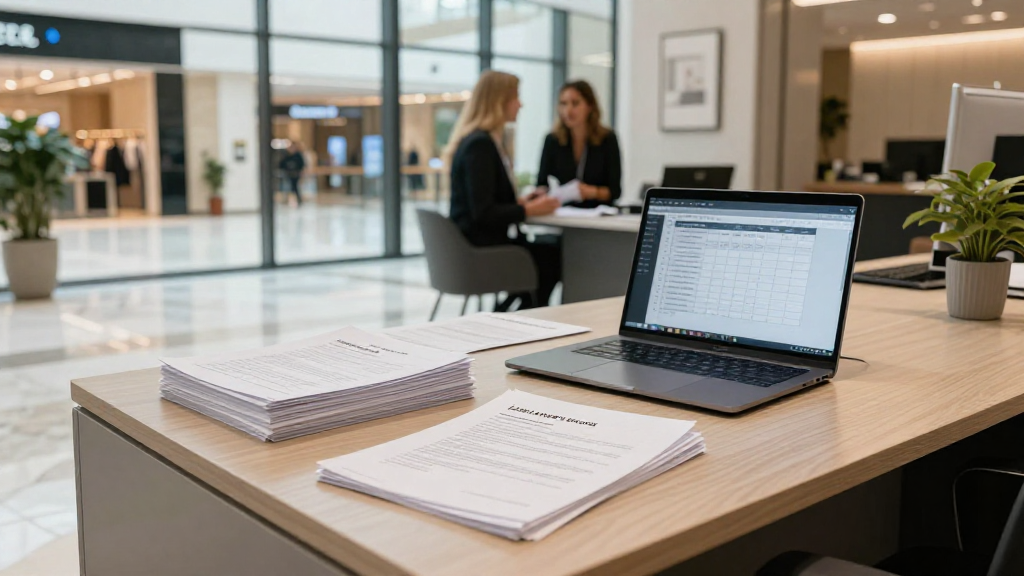
When entering into a commercial lease, having a mall lease agreement checklist is crucial.
This checklist ensures that all necessary elements are covered before you sign on the dotted line.
Why is a Mall Lease Agreement Checklist Important?
A mall lease agreement checklist acts as a roadmap throughout the leasing process.
It helps both landlords and tenants clarify their expectations and responsibilities.
This checklist serves to protect both parties legally and financially.
What Key Components Should Be on the Mall Lease Agreement Checklist?
When drafting or reviewing a mall lease agreement, there are several key components that should always be included:
1. Lease Term and Renewal Options
- Duration of the lease: Specify how long the lease will last (e.g., one year, five years).
- Renewal clauses: Indicate whether there are any options to renew the lease after the initial term ends.
2. Rent and Additional Costs
- Base rent: Clearly state the amount of rent that is due each month.
- Additional costs: Include specifications about common area maintenance (CAM) fees, property taxes, and utilities.
3. Security Deposit
- Amount: Specify the total amount for the security deposit.
- Conditions for return: Outline the conditions under which the security deposit will be returned after lease termination.
What About the Use Clause in Your Mall Lease Agreement?
The use clause is a vital section of the lease.
Here’s what to consider:
-
Permitted use: Clearly define what the retail space can be used for (e.g., clothing store, restaurant).
-
Restrictions: Include any restrictions that could affect business operations, including prohibited businesses.
Are There Any Obligations or Responsibilities?
Understanding the responsibilities detailed in the lease is crucial.
1. Maintenance Responsibilities
- Tenant obligations: Specify what maintenance tasks the tenant is responsible for (e.g., interior repairs).
- Landlord obligations: List the responsibilities resting with the landlord (e.g., structural repairs).
2. Insurance Requirements
- Liability insurance: Outline whether tenants are required to carry liability insurance.
- Property insurance: Specify who is responsible for insuring the premises.
What Should You Know About Early Termination Clauses?
Early termination clauses can be a tricky part of the lease.
1. Conditions for Termination
- Grounds for early termination: Clearly specify the conditions under which either party can terminate the lease early, such as breach of contract or insolvency.
2. Notice Period
- Notice requirement: Specify how much notice must be given before terminating the lease.
Is There a Need for a Dispute Resolution Process?
A well-thought-out dispute resolution process can save both parties time and money.
1. Mediation vs. Arbitration
-
Mediation: Include a clause stating that the parties must try to resolve disputes through mediation before resorting to litigation.
-
Arbitration: Establish whether disputes will be resolved through arbitration and what the terms will be.
What About Modifications and Improvements?
When considering alterations to the space, both parties’ permission must be outlined in the mall lease agreement checklist.
1. Alterations by Tenants
-
Approval requirements: Specify what alterations or improvements require landlord approval.
-
Ownership of improvements: Clarify what happens to improvements made by tenants at the end of the lease.
Are There Any Legal Considerations?
Finally, it’s important to understand the legal aspects surrounding a mall lease agreement.
1. Compliance with Local Laws
-
Zoning laws: Ensure that the space complies with local zoning regulations.
-
Health and safety regulations: Verify that the premises adhere to safety codes, especially for food-related businesses.
2. Governing Law
- Jurisdiction: The lease should specify which state’s laws govern the agreement.
Conclusion: Final Thoughts on Your Mall Lease Agreement Checklist
Using a mall lease agreement checklist is essential for both landlords and tenants.
By carefully reviewing the components of your lease agreement, you can mitigate risks and ensure a smooth leasing experience.
Make sure your checklist covers all the critical areas discussed:
- Lease term
- Rent details
- Security deposits
- Use of the premises
- Maintenance responsibilities
- Dispute resolution mechanisms
- Legal compliance
Incorporating these elements into your checklist will protect your interests and help foster a healthy landlord-tenant relationship.
Make your mall lease agreement checklist your go-to tool in this critical process, ensuring that you have covered all bases before sealing the deal.