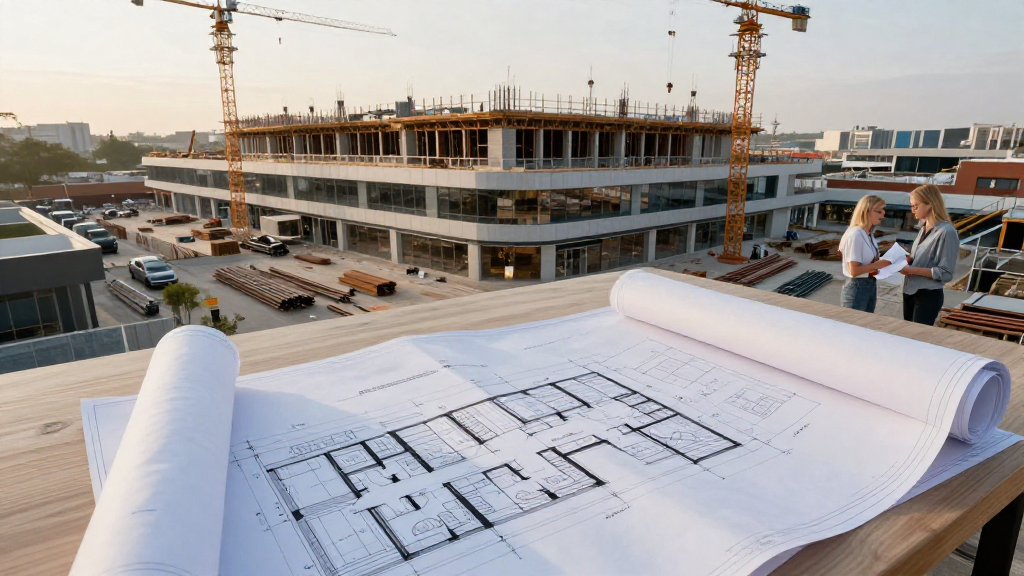
Mall expansion planning is a complex process that involves multiple stakeholders and strategic considerations.
In this article, we will explore the fundamental steps involved in mall expansion planning, the various aspects that need to be considered, and how successful expansions can significantly boost a mall’s revenue and community engagement.
What is Mall Expansion Planning?
Mall expansion planning is the strategic process undertaken to increase the physical space, retail offerings, or amenities within an existing shopping mall.
This process typically encompasses:
- Market research: Understanding consumer trends and demands
- Financial feasibility: Evaluating the cost and return on investment
- Permitting: Securing the necessary approvals from local authorities
- Design development: Crafting a blueprint for the new space
A successful mall expansion can lead to increased foot traffic, better tenant mix, and an enhanced shopping experience.
Why Is Mall Expansion Necessary?
In today’s competitive retail environment, mall expansion planning is often essential for several reasons:
-
Changing Consumer Preferences
– Shoppers are looking for more diverse experiences that go beyond traditional shopping.
– Expanding a mall can introduce entertainment options like cinemas or interactive experiences. -
Increased Competition
– Nearby malls or retail centers may necessitate an expansion to stay competitive.
– Updating and expanding can help retain existing customers and attract new ones. -
Economic Growth
– As local populations grow, so do the purchasing power and demand for retail spaces.
– Mall expansions can cater to this growth effectively. -
Retail Trends
– E-commerce is on the rise, prompting brick-and-mortar stores to rethink their strategies.
– Expansions can include experiential offerings that draw customers away from online shopping.
What Steps Are Involved in the Mall Expansion Planning Process?
The journey of mall expansion planning includes several crucial steps:
1. Conduct Market Research
Understanding demographic shifts and shopping behaviors is critical.
- Surveys and Focus Groups: Engaging with your community can provide insights into desired services and stores.
- Competitive Analysis: Assess what successful expansions others have implemented within the market.
2. Develop a Business Case
Building a solid business case is essential for gaining approval from stakeholders.
- Projected Costs: Estimate construction, marketing, and operational costs.
- Revenue Forecasting: Predict revenues based on market analysis.
- Risk Assessment: Identify potential risks and create mitigation strategies.
3. Engage Stakeholders
Collaboration with various stakeholders is vital in the mall expansion planning process.
- Investors and Owners: Present your business case and secure funding.
- Local Government: Engage with city planners and zoning boards to understand regulations.
- Tenants: Consult with existing tenants to gauge their interest in the expansion.
4. Design and Architect Plans
Intelligent design can make or break an expansion.
- Hiring Professionals: Work with architects and urban planners experienced in retail spaces.
- Incorporating Flexibility: Ensure that the design can adapt to future trends.
- Sustainability: Consider environmentally friendly designs that minimize energy use.
5. Secure Financing
Exploring different financing options can help meet the budget for your expansion.
- Self-Funding: Use existing profits for the project.
- Bank Loans: Traditional loans can provide a significant capital influx.
- Partnerships: Collaborate with other businesses for shared funding.
6. Navigate Regulatory Approvals
Adhering to local laws and regulations is essential in mall expansion planning.
- Permits: Obtain necessary construction and zoning permits.
- Inspections: Regular inspections may be required throughout the building process.
7. Execute the Construction Phase
Once you have secured the necessary approvals, the construction phase can commence.
- Timeline Management: Stay ahead with a realistic timeline that accommodates delays.
- Quality Control: Maintain building quality to ensure longevity.
- Community Communication: Keep the public informed of construction progress and any disruptions.
8. Marketing and Grand Opening
After completing the construction phase, focus on marketing the new expansion.
- Promotional Events: Host grand opening events to draw crowds.
- Social Media Announcements: Use online platforms to create buzz around new offerings.
- Partnerships with Local Businesses: Encourage local businesses to collaborate in promotional efforts.
How Does Mall Expansion Impact the Community?
Properly planned mall expansion can have several positive effects on local communities.
-
Job Creation
– Expanding the mall can lead to the establishment of new stores and services that require staffing.
– Local job seekers benefit from new employment opportunities. -
Enhanced Services and Amenities
– The introduction of restaurants, entertainment venues, and services can improve local quality of life.
– A well-rounded mall can become a community hub. -
Increased Local Revenue
– More shoppers lead to an increase in sales tax revenue for local governments.
– Local businesses benefit from increased foot traffic in the area.
What Are the Challenges of Mall Expansion Planning?
Despite its benefits, mall expansion planning can also encounter challenges:
- Financial Constraints
-
Securing funding can be difficult, especially for larger expansions.
-
Local Opposition
-
Residents may oppose the expansion due to increased traffic, noise, or changes to the community.
-
Changing Retail Landscape
-
Online shopping and changing consumer preferences can impact the viability of new retail spaces.
-
Construction Delays
- Weather, labor shortages, or supply chain issues may impede the construction process.
Conclusion
In summary, mall expansion planning is a multifaceted process that, when done correctly, can yield substantial benefits for both the mall and the surrounding community.
From understanding market demands to navigating the intricate design and approval processes, successful expansions require a well-thought-out strategy and execution plan.
Doing so not only enhances shopper experience but also contributes to economic growth and revitalizes community engagement.
Whether you’re a stakeholder, local resident, or business owner, understanding the intricacies of mall expansion planning can foster a positive outlook on the retail environment and its potential transformations.