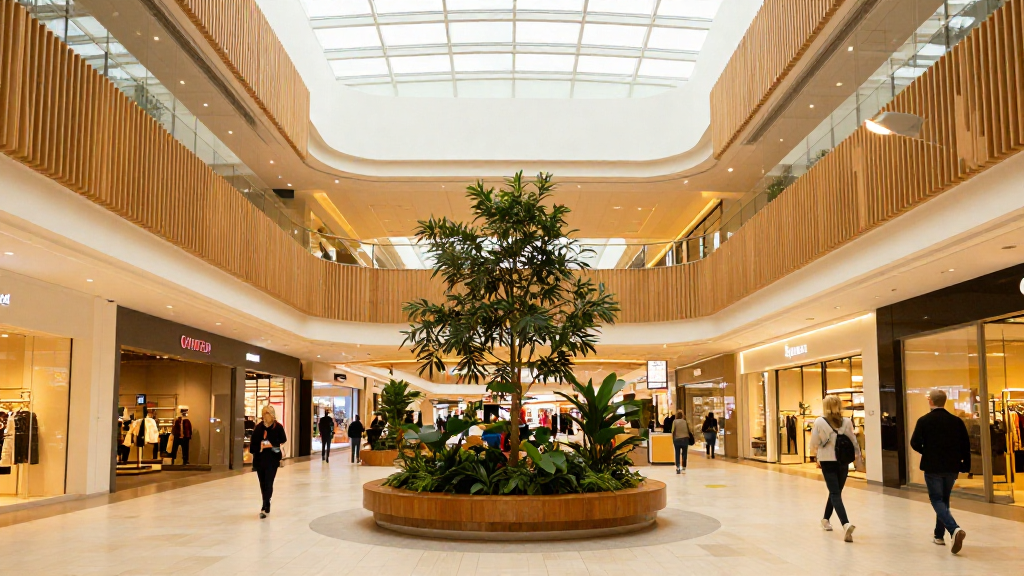
In the ever-evolving landscape of retail, mall design concepts play a pivotal role in enhancing the shopping experience.
As consumer habits shift and technology advances, understanding the popular mall design concepts becomes increasingly essential for mall developers, retailers, and shoppers alike.
What Are the Key Features of Effective Mall Design Concepts?
When considering mall design concepts, several key features stand out:
- Accessibility: Design should prioritize easy navigation and access for all visitors, including those with disabilities.
- Zoning: Organizing the mall into distinct zones for shopping, dining, and entertainment can enhance the overall experience.
- Natural Light: Incorporating large windows or skylights not only creates an inviting atmosphere but also reduces energy consumption.
- Green Spaces: Incorporating plants and gardens can improve aesthetics and create a calming environment for shoppers.
- Technology Integration: Smart features, such as interactive kiosks and mobile apps, can elevate the shopping experience.
How Do Open-air Malls Enhance the Shopping Experience?
One of the most popular mall design concepts today is the open-air mall.
Open-air malls offer a unique shopping experience by providing:
- Natural Ambiance: Shoppers can enjoy fresh air and natural light while browsing.
- Cafés and Outdoor Seating: These areas encourage visitors to relax, socialize, and enjoy snacks, which enhances the time spent at the mall.
- Event Spaces: Many open-air malls incorporate stages for live performances or art displays, fostering a community feel.
Why Is Mixed-Use Development Gaining Popularity?
Mixed-use developments are another prevalent trend in mall design concepts.
These spaces combine retail, residential, and office areas into one cohesive environment.
This design concept is gaining popularity because it offers:
- Convenience: Residents can live, work, and shop within the same community, reducing travel time and enhancing lifestyle.
- Social Interaction: Mixed-use spaces encourage community building by bringing people together in shared environments.
- Sustainability: This concept promotes walkability and reduces reliance on cars, contributing to greener urban spaces.
What Role Does Technology Play in Modern Mall Design?
Technology has become an integral part of mall design concepts and has transformed how shoppers and retailers interact.
Here’s how technology influences mall design:
- Smart Parking Solutions: Smart apps help shoppers find parking spaces, alleviating stress and improving convenience.
- Augmented Reality (AR): AR applications can provide customers with interactive experiences, such as visualizing how products look in their homes.
- Data Analytics: Malls can utilize real-time data to understand shopping trends, ensuring that they meet customer needs effectively.
How Important Is Sustainability in Mall Design?
Sustainability is at the forefront of contemporary mall design concepts.
More developers are prioritizing eco-friendly practices that contribute to healthier environments.
Sustainable mall design involves:
- Energy-efficient Systems: Incorporating solar panels and energy-efficient lighting to reduce electricity consumption.
- Recycling Facilities: Providing areas for waste separation encourages eco-conscious behavior among shoppers.
- Sustainable Materials: Using recycled or locally sourced materials in construction minimizes environmental impact.
What Are Experiential Design Concepts?
Experiential design focuses on creating memorable interactions for shoppers.
This trend is gaining traction as consumers seek more than just a transactional experience:
- Themed Environments: Malls may adopt particular themes, creating a unique atmosphere that enhances the shopping narrative.
- Interactive Installations: Engaging art installations or game zones can captivate visitors and draw them back to the mall.
- Personalized Experiences: Utilizing data to tailor marketing and shopping experiences can significantly boost customer satisfaction.
How Do Cultural Elements Influence Mall Design Concepts?
Cultural elements are increasingly being incorporated into mall design concepts to reflect the values and identity of the local community.
These designs can include:
- Local Art and Sculpture: Highlighting local artists can foster a connection between the mall and its community.
- Culinary Diversity: Integrating diverse food options that reflect local culture encourages shoppers to dine and stay longer.
- Cultural Events and Promotions: Hosting festivals or events celebrating local heritage can attract visitors and create a sense of belonging.
What Is the Future of Mall Design Concepts?
The future of mall design concepts is likely to be shaped by ongoing changes in consumer behavior, technology, and urban planning.
Predictions include:
- Increased Emphasis on Community: Malls will become gathering spaces more than just shopping venues, fostering community interactions.
- Virtual and Augmented Reality Experiences: As technology evolves, these immersive experiences will likely become commonplace.
- Smart Malls: Enhanced technology integration that uses IoT (Internet of Things) to track shopping patterns and optimize layouts dynamically.
How Can Investors Use Mall Design Concepts to Their Advantage?
Investors seeking to maximize their returns can leverage emerging mall design concepts effectively.
By considering factors like:
- Market Trends: Understanding local demographics and shopping habits can guide design decisions.
- Future Growth Opportunities: Selecting locations with potential for development can enhance property value.
- Sustainability Initiatives: Investing in environmentally friendly designs can attract ecologically conscious consumers.
Conclusion
In summary, staying updated with popular mall design concepts is crucial for developers, retailers, and shoppers engaged in the evolving retail environment.
Key trends to consider include open-air malls, mixed-use developments, technology integration, sustainability, experiential design, cultural elements, and the future of smart malls.
By embracing these concepts, stakeholders can create and sustain vibrant shopping experiences that cater to the diverse needs of today’s consumers.
Whether you are a mall developer, retailer, or simply a shopper, understanding and utilizing these mall design concepts will undoubtedly enhance your engagement in this dynamic retail landscape.