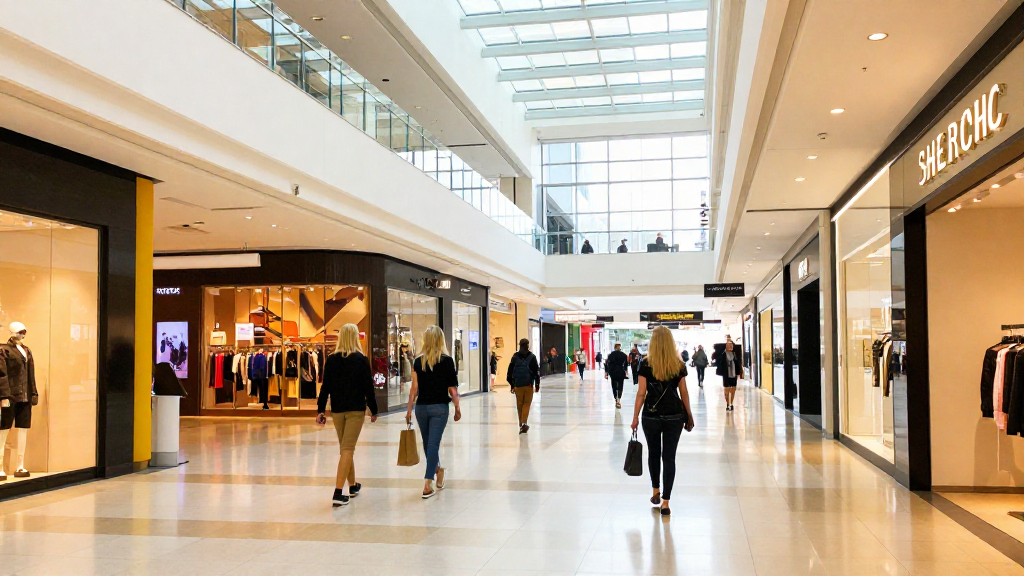
Understanding mall crowd psychology is essential for both retailers and consumers aiming to navigate the shopping environment effectively.
Crowd psychology has a significant influence on shopping behavior, product choices, and even on the layout of the mall itself.
What is Mall Crowd Psychology?
Mall crowd psychology refers to the study of how individuals’ thoughts, feelings, and behaviors are influenced by being in a crowd, particularly in a shopping environment.
This psychological phenomenon impacts how consumers interact with products, shops, and other shoppers.
In essence, it’s a blend of social dynamics, consumer behavior, and environmental factors that collectively affect shopping experiences.
Why Do Shoppers Go with the Flow?
When shoppers are in a crowded environment, they often feel compelled to adapt their behavior.
Factors that encourage conformity include:
- Social proof: If others are buying a product, it may signal quality or desirability.
- Fear of missing out (FOMO): Crowds can create a sense of urgency, leading shoppers to make impulsive purchases.
- Reduced personal decision-making: In a sea of shoppers, individuals might rely more on group behavior rather than personal preferences.
As a result, shopping malls can sometimes feel like a hive mind, where individuals make choices that align with the crowd’s behavior.
How Does Atmosphere Influence Shopper Behavior?
Mall crowd psychology is intricately linked to the atmosphere of the shopping environment.
What Affects Atmosphere in Malls?
A mall’s ambiance can drive both foot traffic and consumer behavior.
Key factors include:
- Lighting: Bright, inviting lights can create a cheerful atmosphere, while dim lighting can induce leisure and extended browsing time.
- Music: Upbeat tunes may encourage consumers to shop longer, while slow music can create a relaxed atmosphere.
- Layout: A well-designed mall layout can enhance navigation, reducing crowd congestion and improving the shopping experience.
Why Is Space Important?
The physical space in malls plays a crucial role in how crowds behave.
Consider these aspects:
- Foot Traffic Flow: Wide corridors prevent bottlenecks and allow for smoother movement, enhancing the shopping experience.
- Store Placement: Stores that are positioned near entrances or food courts often benefit from increased foot traffic, as consumers are naturally drawn to these areas.
- Common Areas: Designated resting spots encourage shoppers to linger and spend more time in the mall, which can lead to increased purchases.
How Can Retailers Leverage Crowd Psychology?
Understanding mall crowd psychology can significantly inform retail strategies.
Which Strategies Can Attract Shoppers?
Retailers can apply crowd psychology principles to enhance the shopping experience and boost sales:
- Limited-time offers: Highlight deals that are only available for a short period to create urgency.
- Social media campaigns: Use platforms to create buzz and a sense of community around products or events.
- Interactive experiences: Set up engaging activities or experiences that encourage participation and sharing among consumers.
How Does Visual Merchandising Play a Role?
Effective visual merchandising can influence shoppers’ decisions by exploiting crowd psychology.
Key elements include:
- Eye-catching displays: Create focal points that draw shoppers in and encourage them to explore.
- Customer testimonials: Including customer reviews or ratings visibly can enhance trust among potential buyers, leveraging social proof.
- Product placement: Strategically positioning high-demand items at the entrance can capitalize on foot traffic.
What Role Does Event Marketing Play?
Malls often host events to draw crowds, and event marketing is an excellent strategy to utilize mall crowd psychology.
What Types of Events Work Best?
- Seasonal promotions: Holiday-themed events can draw families and encourage gift shopping.
- Live performances: Music acts or fashion shows can attract significant foot traffic and create excitement.
- Workshops and demonstrations: Interactive events can enhance the shopping experience and encourage spending.
Event marketing can leverage crowd psychology by creating a lively atmosphere that enhances consumer engagement.
How Does Crowd Psychology Impact Consumer Decision Making?
Understanding how crowds impact decision-making can yield insights for both consumers and retailers.
What are the Psychological Effects of Crowds?
- Bandwagon Effect: Individuals may buy products just because others are purchasing them.
- Anchoring: The presence of high-demand items can influence what consumers perceive as a reasonable price for various goods.
By being aware of these psychological effects, consumers can make more informed choices and resist impulse buys driven by crowd behavior.
Why Is Understanding Mall Crowd Psychology Important for the Future?
Recognizing the influence of mall crowd psychology is becoming increasingly crucial as shopping habits evolve.
What Are the Future Implications?
- E-commerce vs. physical retail: As online shopping continues to grow, malls need to adapt by creating experiences that can’t be replicated online.
- Sustainability: Consumers are becoming more aware of their shopping choices. Malls can leverage crowd psychology by encouraging eco-friendly shopping habits.
- Integration of technology: Using mobile apps to guide customers based on real-time crowd data may enhance the shopping experience, particularly during peak hours.
Shaping shopping experiences around crowd psychology can help malls thrive in an increasingly competitive market.
Conclusion
Understanding mall crowd psychology offers valuable insights into the behaviors and motivations of consumers.
By harnessing these psychological principles, both retailers and consumers can enhance their shopping experiences.
From carefully crafted atmospheres to strategic event marketing, the influence of mall crowd psychology is far-reaching.
Leveraging this understanding can allow malls to adapt and flourish in a rapidly changing retail landscape, ensuring that they remain enticing shopping destinations for years to come.