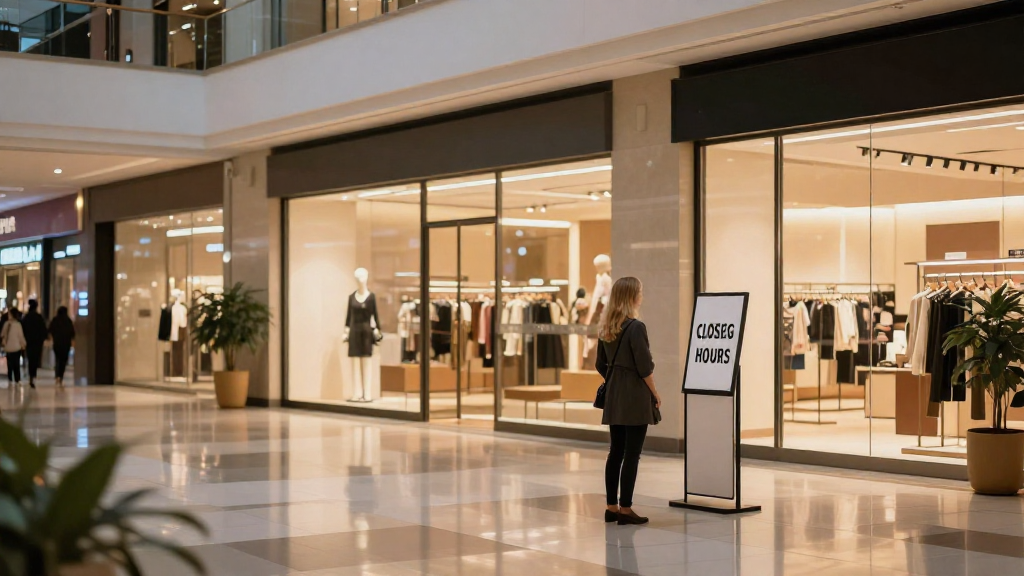
Deciding on an effective mall closing hour strategy is essential to maximize foot traffic and profitability.
With the ever-changing retail landscape and consumer behaviors, this decision may seem daunting.
However, by assessing various factors, mall management can create a closing hour strategy that benefits both tenants and shoppers.
Why Are Closing Hours Important?
-
Impact on Shoppers:
– The right closing hours can significantly influence shopping habits.
– Extended hours may attract late-night shoppers, while earlier hours can capture families. -
Revenue Generation:
– Proper timing can lead to increased sales.
– Consistent foot traffic during peak hours tends to raise overall revenue. -
Community Needs:
– Aligning mall hours with community preferences enhances the shopping experience.
– Understanding local demographics plays a crucial role—what works in one area may not work in another.
What Factors Should You Consider for Your Mall Closing Hour Strategy?
Determining the best mall closing hour strategy involves various considerations:
1. Local Demographics
Understanding your target audience is crucial.
- What is the age range of shoppers?
- Are there families, young professionals, or specific cultural communities?
- Conduct surveys or analyze foot traffic data to gain insights.
2. Competition Analysis
Take a look at what nearby competitors are doing.
- What are their opening and closing hours?
- Are they running promotions during certain hours that attract more shoppers?
3. Seasonal Variations
Consider how your closing hours might change seasonally.
- During holidays, extended hours can capture more revenue.
- Conversely, during off-peak months, shorter hours might be more efficient.
4. Tenant Input
Engage with your tenants to gauge their preferences and needs.
- Are they seeing particular foot traffic patterns?
- What hours do they feel support their sales the best?
5. Local Events and Attractions
Evaluate the impact of local events on shopping patterns.
- Close to sports arenas or concert venues? Perhaps extending hours on event nights may be beneficial.
- Aligning with community events can attract larger crowds.
6. Safety and Security Concerns
Prioritize safety for both shoppers and employees.
- Later hours may require additional security presence.
- Assess local crime rates and adjust closing times accordingly.
How Can You Test Your Closing Hours?
Experimentation with your mall closing hour strategy can yield insightful data on consumer behavior.
1. Pilot Programs
- Implement a temporary change in hours.
- Analyze sales data and foot traffic during this period to see if it boosted visits.
2. Customer Feedback
- Provide channels for shoppers to voice their opinions on hours.
- Use social media polls or feedback forms.
3. Sales Data Analysis
Keep close tabs on sales data.
- Compare revenues across different closing hour strategies.
- Adjust based on performance metrics.
Are There Best Practices You Can Follow?
Incorporating best practices into your mall closing hour strategy can lead to sustained success.
1. Flexibility is Key
- Stay flexible with your hours.
- Regularly review and adapt to signal changes in customer behavior.
2. Focus on Peak Hours
- Identify peak shopping hours.
- Consider extended hours during busy seasons while shutting down earlier during slower times.
3. Promote Extended Hours
- Use marketing to communicate changes.
- Highlight special events during extended hours to attract crowds.
4. Collaborate with Local Businesses
- Partner with nearby restaurants and entertainment venues.
- Create packages and events that encourage mall traffic during certain hours.
5. Monitor Trends
- Keep an eye on industry trends from reputable sources.
- Adjust to emerging practices and consumer understandings.
What Are the Consequences of Poor Mall Closing Hour Strategy?
Failing to establish an effective mall closing hour strategy can have negative repercussions:
-
Decreased Revenue: Poorly timed hours may lead to lost sales opportunities.
-
Customer Annoyance: Inconvenient hours can frustrate shoppers, generating complaints and lost business.
-
Tenant Dissatisfaction: If tenants are unhappy with foot traffic or sales, this can lead to higher turnover rates and empty retail spaces.
In Summary
Deciding on an effective mall closing hour strategy is a multifaceted process that requires understanding your client base, market trends, and community needs.
By being adaptable and willing to experiment, mall management can unveil the closing hours that work best.
Make data-driven decisions, seek tenant feedback, and stay attuned to what competitors are doing in order to establish a successful closing hour strategy.
Investing time and effort into this aspect of retail management can ultimately enhance the overall shopping experience and elevate sales performance.
In conclusion, when developing your mall closing hour strategy, remember the four guiding principles of flexibility, community engagement, data analysis, and clear communication with tenants and shoppers.
With these strategies in place, you can make informed decisions that align with your mall’s vision and community needs.