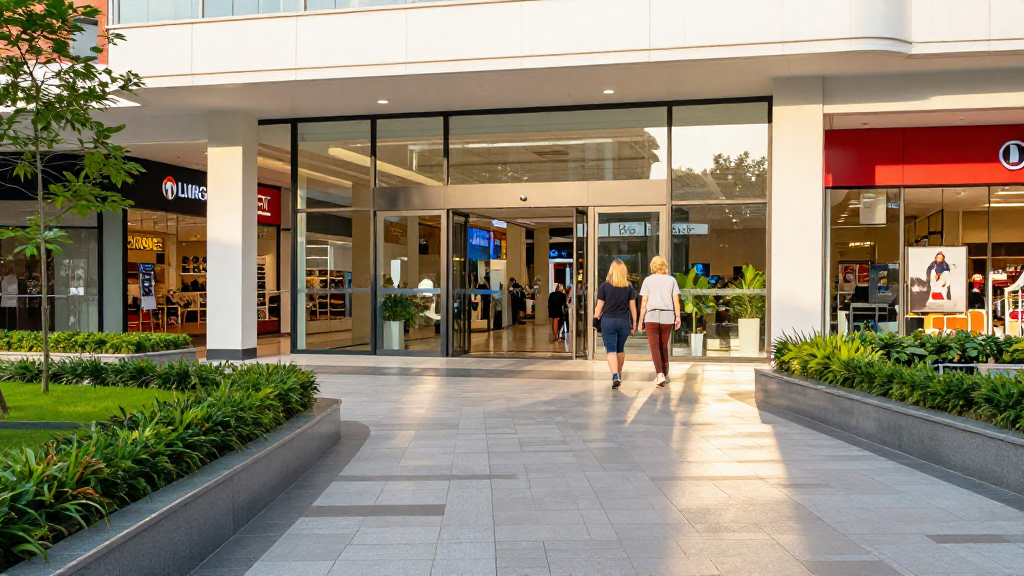
Successfully managing mall access point planning is crucial for creating a seamless shopping experience.
When it comes to mall design, access points are one of the most important considerations. A well-planned access point system enhances customer flow, improves safety, and ultimately boosts sales for retailers. This guide will help you navigate the essentials of effective mall access point planning.
Why Is Mall Access Point Planning Important?
The layout of access points in a mall can significantly impact the customer experience.
-
Customer Convenience:
– Strategic access points allow shoppers to reach stores quickly.
– Parking areas should be easily accessible to minimize walking distances. -
Traffic Management:
– Proper planning helps distribute foot traffic evenly throughout the mall.
– Reduces congestion, especially during peak hours or special events. -
Safety and Security:
– Clearly defined access points can enhance security measures.
– Emergency exits and routes should be readily identifiable.
What Are the Key Considerations for Mall Access Point Planning?
When engaging in mall access point planning, several critical elements must be taken into account.
Are You Considering Foot Traffic Patterns?
Understanding foot traffic patterns is essential.
- Conduct studies to analyze peak shopping hours.
- Observe where customers congregate and how they move through the mall.
- Use this data to place entrances and exits strategically.
Have You Thought About Parking Spaces?
Parking is often the first interaction a customer has with a mall.
- A well-designed parking area should allow for easy entry and exit.
- Include enough handicapped parking spaces and designated family spots.
- Consider integrating electric vehicle charging stations for increased appeal.
What Role Does Landscaping Play?
Landscaping can significantly impact the aesthetic appeal of access points.
- Create attractive pathways to connect entrances with stores.
- Use signage and decorative elements to guide shoppers.
- Consider seasonal flowers or plants to enhance the visual appeal.
How Can You Optimize Access Points for Different Types of Shoppers?
Different shoppers have varied needs, and your access point planning should reflect that diversity.
How to Cater to Families?
- Design access points that offer stroller-friendly paths and ramps.
- Ensure gated areas for children to play nearby to ease parents’ stress.
- Include family rest areas near access points.
What About Elderly and Disabled Shoppers?
- Clearly marked handicapped access points are a must.
- Ensure elevators and escalators are near main access areas.
- Provide ample seating along pathways for those needing rests.
How Do You Integrate Technology into Mall Access Point Planning?
In today’s digital age, technology plays an indispensable role.
- Implement smart access systems that provide real-time traffic updates.
- Use apps or kiosks that guide shoppers to their preferred stores.
- Consider automated doors for ease of entry and exit.
Are You Thinking About Security Measures?
Safety should always be a priority in your mall access point planning.
- Include well-lit access points to enhance visibility.
- Ensure security cameras cover all entrances and exits.
- Implement a system for monitoring crowds during peak shopping periods.
How Can You Measure Success in Mall Access Point Planning?
Establishing metrics to gauge success is crucial for continuous improvement.
-
Foot Traffic Analysis:
– Monitor how many visitors enter and exit each access point.
– Use sensor technology to gather accurate data. -
Customer Feedback:
– Conduct surveys to gather opinions on navigation and access.
– Act on suggestions for improvement, such as more signage or staff assistance. -
Retailer Performance:
– Examine sales data from stores located near access points.
– Look for trends that may indicate which access points are most beneficial.
Conclusion: Is Your Mall Access Point Planning Up to Par?
Effective mall access point planning is integral to creating an enjoyable shopping experience.
By considering foot traffic patterns, parking necessities, the unique needs of various shoppers, technological advancements, and sound security measures, you can optimize your mall’s layout for both customer satisfaction and retailer success.
Now is the time to evaluate your current access points and implement changes that will benefit everyone involved.
By prioritizing strategic mall access point planning, you ensure that your mall remains a popular destination for shopping and fun.