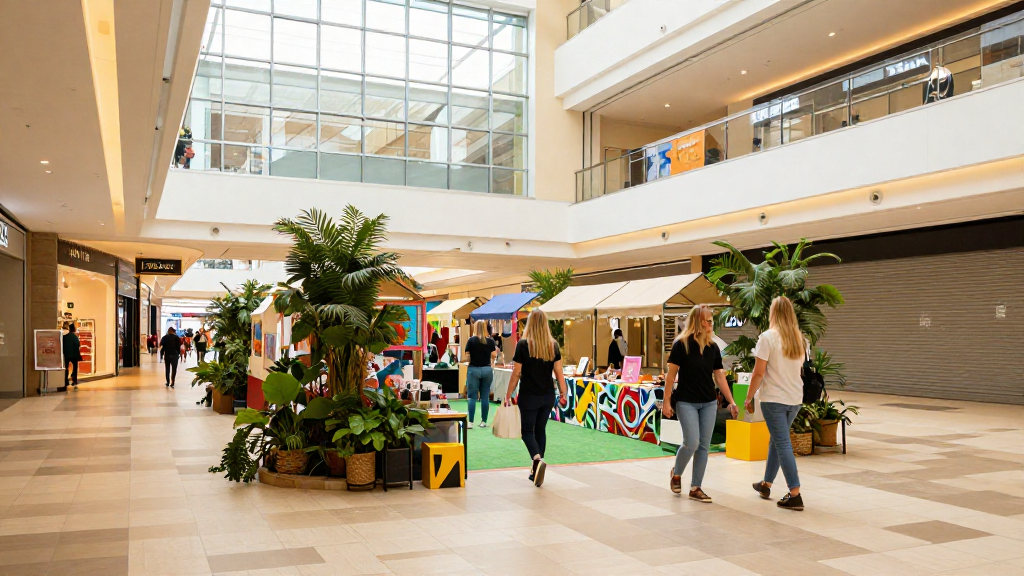
Are you wondering how to revive a dying mall?
Although many traditional shopping malls are struggling in today’s retail landscape, with the rise of e-commerce and changing consumer preferences, there is a bright future for those willing to adapt.
In this article, we will explore effective strategies to breathe new life into a dying mall, ensuring it remains a vibrant part of the community and a destination for shoppers.
What Are the Signs of a Dying Mall?
Before we discuss how to revive a dying mall, it’s essential to recognize the symptoms of decline. Here are some common signs:
- High vacancy rates: A significant number of empty storefronts usually indicate a drop in interest.
- Declining foot traffic: A decrease in the number of visitors could suggest that shoppers prefer other avenues for retail, such as online shopping.
- Outdated facilities: Malls that haven’t renovated or updated their amenities may seem less appealing to consumers.
- Writing on the wall: Poor maintenance, deteriorating infrastructure, and noticeable wear and tear can deter shoppers.
A combination of these indicators highlights the need for action.
How Can You Revive a Dying Mall?
To successfully explore how to revive a dying mall, consider implementing the following strategies:
1. Embrace Mixed-Use Development
One of the most successful methods for revitalizing a mall is to transform it into a mixed-use space.
- Residential: Adding apartments or condominiums can create a built-in customer base.
- Office spaces: Leasing areas to businesses can increase daily foot traffic.
- Entertainment venues: Incorporate theaters, arcades, or concert spaces.
These changes encourage people to visit the mall for more than just shopping, making it a community hub.
2. Reinvention of Retail Spaces
Incorporating innovative retail strategies is crucial for how to revive a dying mall. Consider the following ideas:
- Pop-up shops: Allow local artisans and small businesses to set up temporary stores.
- Experience-based retailers: Seek out brands that offer unique experiences, such as cooking classes or workshops.
- Concept stores: Create stores that don’t focus solely on merchandise but offer personalized shopping experiences.
This diversification not only attracts different consumers but also fosters a sense of community.
3. Leverage Technology
Utilizing modern technology is essential for the revival process.
Here’s how you can do it:
- Mobile apps: Develop a mall app that provides visitors with updates on sales, events, and promotions.
- Free Wi-Fi: Offering complimentary internet access can keep visitors longer and encourage sharing on social media.
- Smart kiosks: Set up interactive kiosks where shoppers can find directory information or browse store offerings.
By integrating technology, you can enhance the shopping experience and keep up with consumer expectations.
4. Community Engagement and Events
Hosting community events is another excellent way to breathe new life into a mall. Here are some ideas:
- Farmers’ markets: Weekly or monthly markets can attract local farmers and artisans.
- Seasonal events: Organize holiday festivals, summer concerts, or art shows to draw in crowds.
- Workshops and classes: Provide space for fitness classes, cooking demonstrations, or craft workshops.
These activities not only promote shopping but also create a sense of belonging and connection to the community.
5. Redesign and Renovate
One cannot overlook the impact of a well-designed space when exploring how to revive a dying mall.
Consider the following renovation strategies:
- Modern aesthetics: Update the architecture and interior decor to appeal to contemporary tastes.
- Open spaces: Create open areas for gatherings, relaxation, or social interaction.
- Sustainable design: Incorporate eco-friendly elements like solar panels, rainwater harvesting systems, and green spaces.
A visually pleasing and functional environment can significantly enhance the overall shopping experience.
6. Curate Unique Tenant Mixes
A diverse and compelling tenant combination can attract different demographic groups.
Focus on:
- Local businesses: Support and showcase local talent by offering rental incentives to small businesses.
- Cultural stores: Consider shops that celebrate different cultures or provide unique offerings.
- Health and wellness: Promote stores and services that emphasize health, wellness, and self-care.
A well-curated mix increases the likelihood that visitors will find something of interest.
7. Focus on Dining Options
In addition to retail stores, the dining experience at a mall can be pivotal in its revitalization. Consider the following:
- Diverse food offerings: Incorporate various cuisines to attract diverse crowds.
- Food halls: Create shared spaces for food vendors that promote a community feel.
- Interactive dining: Introduce unique dining experiences like themed restaurants or live cooking shows.
Great dining options create an enticing atmosphere where shoppers can spend more time and enjoy their visit.
8. Strong Marketing and Promotion
Finally, effective marketing campaigns can significantly influence foot traffic.
Here’s how you can achieve this:
- Social media: Utilize platforms like Instagram and Facebook to promote events, sales, and new stores.
- Influencer partnerships: Collaborate with local influencers to gain exposure.
- Loyalty programs: Reward repeat customers with discounts or perks to encourage their return visits.
Strategic marketing is crucial in drawing attention to the revitalized mall.
Why Is It Important to Revive Dying Malls?
Reviving a dying mall holds numerous benefits:
- Boosting local economy: Increased shopping activity creates jobs and contributes to the region’s financial health.
- Community gathering spaces: Revitalized malls become places of social interaction, fostering community connections.
- Curbing urban decay: Keeping infrastructure in use prevents blight and maintains property values in the surrounding area.
In conclusion, making efforts to understand how to revive a dying mall is an investment in the future of retail and community life.
By implementing innovative strategies, leveraging community engagement, and embracing change, a mall can transform from a ghost of its former self into a dynamic cultural and retail hub.
With the right vision and execution, even the most beleaguered mall can thrive once more!