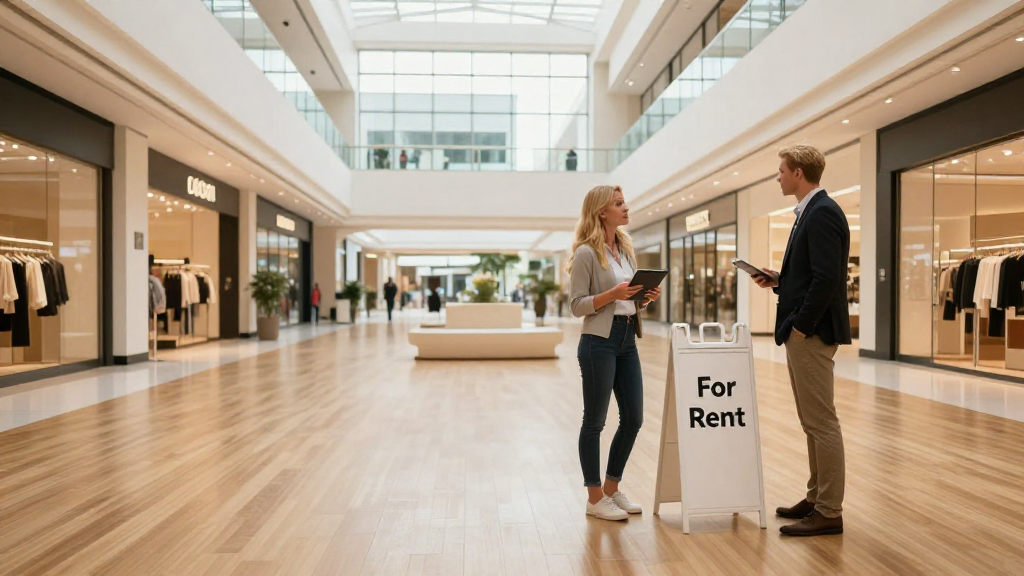
Renting a store in a mall can be a lucrative venture for aspiring entrepreneurs and established brands alike.
In this article, we will explore how to rent a store in a mall effectively and what steps you need to consider to ensure a smooth transition into this dynamic retail environment.
What Are the Steps to Rent a Store in a Mall?
Renting a store in a mall involves several critical steps. Here’s how you can navigate the process successfully:
-
Research Malls in Your Target Area
– Begin by identifying malls that attract your target demographic.
– Consider factors such as foot traffic, competition, and the types of stores already present in the mall. -
Determine Your Budget
– Establish a rental budget that includes not only the monthly rent but also initial setup costs, utility expenses, and potential common area maintenance (CAM) fees. -
Understand the Leasing Terms
– Familiarize yourself with common lease terms in retail agreements.
– Leasing options may include:- Short-term leases for pop-up shops.
- Long-term leases for permanent locations.
-
Contact Mall Management
– Reach out to the mall’s property management office to inquire about available retail spaces.
– Schedule a meeting to discuss your business concept and how it aligns with the mall’s vision. -
Visit Available Spaces
– Take time to visit potential store locations within the mall.
– Assess foot traffic patterns and visibility from key mall areas such as entrances and anchor stores. -
Prepare Your Business Plan
– Compile a comprehensive business plan that outlines your vision, target market, and financial projections.
– This will not only help you make informed decisions but also convince mall management of your viability as a tenant.
How Do You Negotiate the Lease?
Once you have identified the right space and have a solid business plan, the next step is to negotiate the lease. Here’s how to do it effectively:
-
Understand Your Needs
– Clearly define your requirements: size, location, and specific amenities that will support your business. -
Leverage Market Data
– Use data on comparable rent prices in the area to strengthen your negotiating position.
– Research current retail trends and how they can impact your request for lower rates or additional perks. -
Look for Tenant Incentives
– Ask about any available incentives for new tenants, such as reduced rent for the first few months, tenant improvement allowances, or flexible lease terms. -
Be Prepared to Walk Away
– If the terms don’t meet your business needs, don’t hesitate to explore other options.
– Showing that you have alternatives can strengthen your negotiating power.
What Should You Know About Mall Rules and Regulations?
Understanding the mall’s rules and regulations is crucial before you sign on the dotted line. Each mall has its own set of guidelines that govern tenant operations. Here’s what to keep in mind:
-
Operating Hours
– Most malls have set operating hours, and all tenants must adhere to them.
– Ensure that your business model aligns with these hours to maximize sales. -
Signage Restrictions
– Some malls impose restrictions on signage, including size, type, and placement.
– Confirm the mall’s signage policies to avoid incurring additional costs. -
Event Participation
– Many malls host events, and participation can be beneficial in driving foot traffic.
– Inquire about the annual event calendar and opportunities to engage with customers. -
Maintenance Responsibilities
– Clarify who is responsible for maintaining the space, including repairs, utilities, and common area maintenance.
What Are the Costs Involved in Renting a Mall Store?
Understanding the cost structure is integral to financially planning your store’s launch. Here are the typical costs involved when you plan how to rent a store in a mall:
-
Monthly Rent
– This is the primary expense and varies widely based on location, store size, and mall prestige. -
Common Area Maintenance (CAM) Fees
– These fees cover shared expenses of the mall, including cleaning, landscaping, and security. -
Utilities
– You’ll be responsible for utility payments like electricity, water, and gas. -
Insurance
– Liability insurance is crucial to protect your business and is often required by the mall. -
Initial Setup Costs
– Budget for store fixtures, signage, inventory, and any renovations needed to tailor the space for your business. -
Security Deposits
– Expect to pay a security deposit, usually equivalent to one or two months’ rent, before occupying the space.
How Can You Make Your Store Stand Out?
Once you’ve managed to rent a store in a mall, the next challenge is ensuring it stands out to customers. Here are some strategies to enhance your store’s visibility:
-
Creative Window Displays
– Utilize eye-catching displays that reflect seasonal themes or current promotions. -
Incorporate Technology
– Consider using digital signage or interactive displays to engage tech-savvy shoppers. -
Offer Unique Merchandise
– Identify a niche or unique selling proposition (USP) that differentiates your products from others in the mall. -
Social Media and Marketing
– Use social media platforms to drive traffic to your store.
– Consider running promotional offers that encourage mall visitors to stop by. -
Engage Customers with Events
– Host in-store events or workshops to attract foot traffic and build customer loyalty.
What Are the Benefits of Renting a Store in a Mall?
Ultimately, knowing how to rent a store in a mall allows you to tap into numerous benefits:
- Access to a Steady Foot Traffic
-
Malls attract diverse audiences, increasing your chances of sales conversions.
-
Shared Marketing Opportunities
-
Collaborations with other mall tenants and participation in mall events amplify your reach.
-
Established Infrastructure
- Most malls come with essential facilities, including security, utilities, and parking, reducing the operational burdens of your retail space.
Conclusion: Is Renting a Mall Store Right for You?
Renting a store in a mall can open doors for your business, but it’s essential to conduct thorough research and pre-planning.
By understanding the steps involved in how to rent a store in a mall, negotiating lease terms, and promoting your store effectively, you can maximize your success in the retail landscape.
Begin your journey today and position your business for growth in a vibrant mall atmosphere!