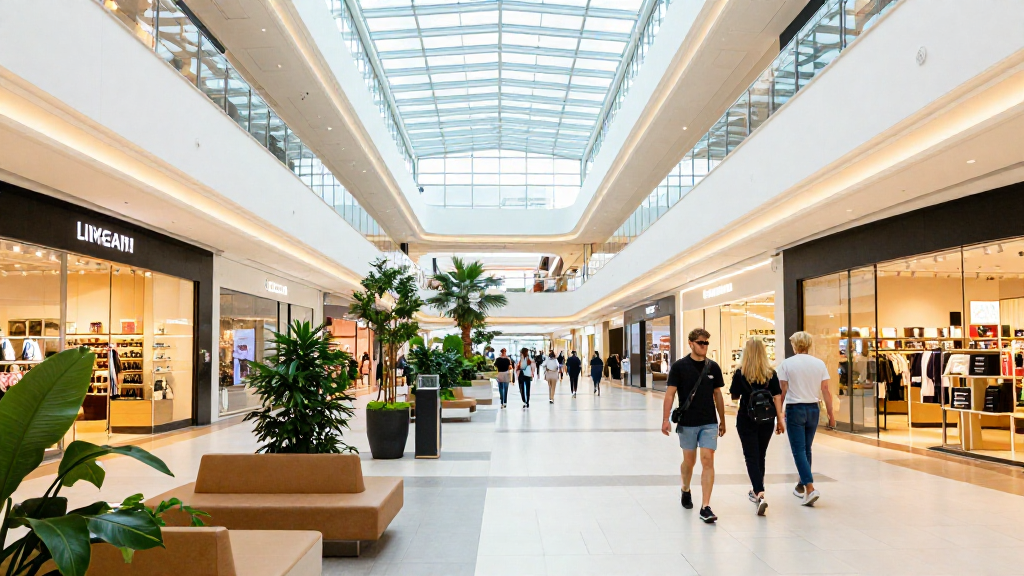
When it comes to shopping and leisure, the benefits of indoor malls are numerous and varied.
From a favorable shopping experience to enhanced community engagement, indoor malls have become essential features in many cities. In this article, we will dive into the many benefits of indoor malls that make them a favorite destination for shoppers and families alike.
How Do Indoor Malls Enhance Shopping Experiences?
Indoor malls provide a controlled environment for shoppers. This means that regardless of the weather outside, shoppers can enjoy a comfortable shopping experience. Here are some significant ways they enhance the shopping experience:
-
Climate Control: Indoor malls have air conditioning and heating systems, making them comfortable year-round. No more battling the elements!
-
Diverse Offerings: With multiple stores under one roof, visitors can browse various brands, cuisines, and products without driving across town.
-
Convenient Layout: Most malls feature a logical layout that makes it easier for shoppers to navigate between shops and find what they need quickly.
-
Accessibility: Malls are often designed to be accessible for everyone, including parents with strollers and those with mobility issues.
-
Amenities: Indoor malls typically offer restrooms, seating areas, and food courts, allowing for a more enjoyable shopping experience.
Thus, it’s evident that the benefits of indoor malls significantly enhance consumer satisfaction.
What Role Do Indoor Malls Play in Community Engagement?
Many people underestimate the social aspect of shopping. Indoor malls serve as vibrant community hubs for people of all ages. Some of the ways they engage communities include:
-
Social Spaces: Malls provide comfortable gathering places for family and friends. Whether you’re meeting for coffee or attending an event, malls are often the go-to location.
-
Events and Activities: Many indoor malls organize events, such as seasonal markets, fashion shows, or community festivals, fostering local talent and celebration.
-
Support for Local Businesses: Many malls feature local vendors or small businesses, allowing customers to support the community while enjoying their shopping experience.
-
Youth Engagement: Many malls offer spaces for teens and young adults to hang out, socialize and attend special events geared towards their demographics.
As you can see, the benefits of indoor malls extend beyond shopping. They create opportunities for community bonding and social interaction.
Why Are Indoor Malls Safe and Secure?
Safety is one of the top concerns for shoppers, and indoor malls generally provide several layers of security. Here’s how they ensure a safer environment:
-
Security Personnel: Most indoor malls have trained security staff who monitor the premises, providing assistance and enhancing safety.
-
Surveillance Systems: Surveillance cameras are commonly installed throughout the mall, helping deter illegal activities and ensuring a safe shopping environment.
-
Emergency Procedures: Indoor malls often have established emergency procedures and trained staff to handle any unexpected situations effectively.
-
Controlled Entry Points: Indoor malls often have limited entry points, making it easier to monitor foot traffic and ensure visitor safety.
The perceived safety of indoor malls is one of the numerous benefits of indoor malls that continues to attract shoppers.
How Do Indoor Malls Contribute to Economic Growth?
Indoor malls are not just fun to visit; they are also crucial to local economies. Here’s how they contribute to economic growth:
-
Job Creation: Indoor malls create numerous job opportunities ranging from retail positions to management roles, helping to reduce local unemployment.
-
Tax Revenue: Retail establishments in malls contribute to local taxes, which can be reinvested into community services and infrastructure improvements.
-
Attracting Tourists: Malls often attract not just local shoppers but also tourists, leading to increased spending in the area and enhanced overall economic activity.
-
Supporting Local Vendors: Many malls provide spaces for local artisans and vendors to showcase and sell their products, contributing to the local economy’s diversity.
In terms of economic impact, the benefits of indoor malls extend well beyond consumer experience, proving advantageous for the community as a whole.
What Are the Family-Friendly Amenities Available at Indoor Malls?
Families often flock to indoor malls due to their family-friendly amenities. Here are some common features that make malls a great destination for families:
-
Play Areas: Many modern malls have designated play areas for children, allowing parents a breather while their kids enjoy playtime.
-
Family Entertainment Centers: Some malls feature entertainment options, such as arcades, movie theaters, or indoor amusement parks, which provide fun for the whole family.
-
Dining Options: Food courts in indoor malls usually offer diverse options, catering to different tastes and dietary needs, which can save time and keep everyone happy.
-
Parenting Rooms: Most shopping centers will have clean and safe parenting rooms equipped to assist parents with babies, making it easier to handle any emergencies throughout the visit.
These family-friendly features are among the many benefits of indoor malls designed to create enjoyable outings for families.
How Do Indoor Malls Promote Sustainable Practices?
The modern consumer is increasingly concerned about sustainability, and many indoor malls have adapted to these eco-conscious shifts. Here’s how they promote sustainable practices:
-
Energy Efficiency: Upgraded HVAC systems and LED lighting in many malls contribute to reducing energy consumption, aligning with sustainability efforts.
-
Waste Reduction Programs: Many malls have implemented recycling and composting programs to minimize waste produced within their facilities.
-
Community Outreach: Malls often partner with local organizations and initiatives promoting recycling, conservation, and environmental awareness through events and educational programs.
-
Sustainable Transportation Options: Some malls promote walking, biking, or public transportation use by providing bike racks and proximity to transit hubs.
The benefits of indoor malls span environmental responsibility, reflecting the shifts in consumer values toward sustainability.
Conclusion: Are Indoor Malls the Future of Retail?
As consumer preferences continue to evolve, the benefits of indoor malls remain relevant and compelling.
With their combination of climate control, community engagement, safety, economic contributions, family-friendly amenities, and sustainability, indoor malls are poised to continue serving as essential retail hubs.
From dramatic shifts in shopping behavior to the growing demand for unique experiences, indoor malls are adapting to the needs of modern consumers.
Thus, they remain not just shopping centers, but destinations that offer vibrant experiences, shopping opportunities, and community interactions.
So, the next time you consider where to shop or socialize, think of the impressive array of benefits of indoor malls and plan your visit accordingly!