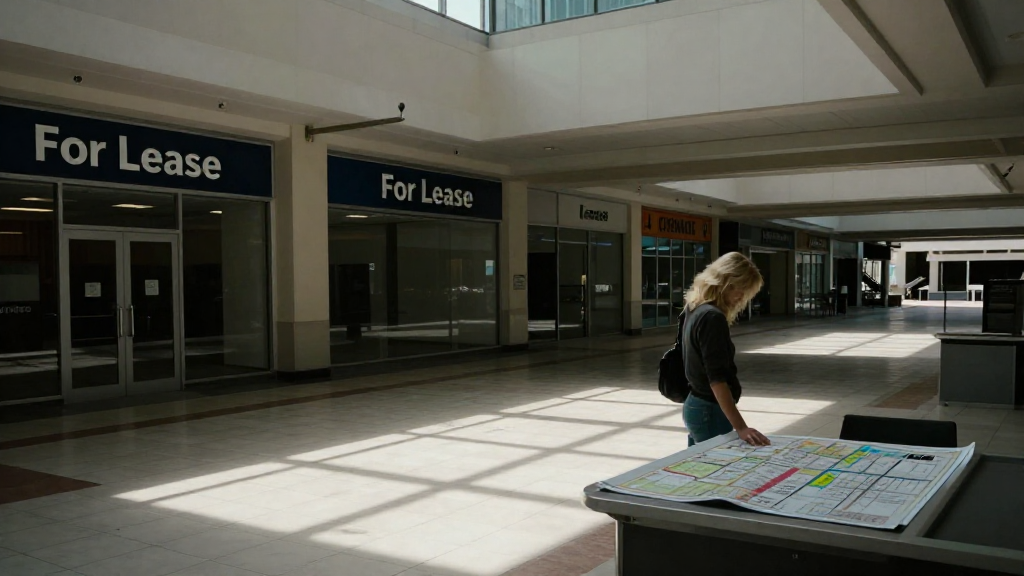
Mall zoning challenges are an increasingly critical issue that modern shopping centers must navigate. As consumer preferences shift and e-commerce grows, the physical presence of malls is not only questioned but is also heavily influenced by zoning regulations that can restrict their development and operation.
In this article, we will explore what mall zoning challenges look like, how they affect retail developments, and what can be done to tackle these issues.
What Are Mall Zoning Challenges?
Mall zoning challenges primarily stem from the regulations set by local governments regarding land use. These challenges can affect several aspects of a mall’s operation, including the following:
-
Location Restrictions: Many municipalities implement restrictions on where malls can be built or expanded. Zoning laws may designate areas specifically for commercial, residential, or industrial purposes. This can limit potential sites for new malls or renovations.
-
Building Codes: Zoning regulations often come with stringent building codes that specify the design, architecture, and materials used for construction. Adhering to these codes can raise costs and extend timelines for development.
-
Parking Requirements: Malls typically cater to large crowds, which requires ample parking space. Various zoning laws dictate minimum parking requirements, affecting the layout and design of the mall.
-
Environmental Concerns: Increasingly, zoning challenges include local concerns about environmental impact. Regulations may require malls to mitigate effects on local ecosystems or implement sustainable design features.
How Do Zoning Challenges Impact Mall Development?
Increased Costs and Delays
One significant impact of mall zoning challenges is the increase in both development costs and project delays.
Here are a few factors that contribute to this:
-
Long Approval Processes: Gaining approval for site plans can take months or even years, impacting potential revenues.
-
Consultation Fees: Engaging consultants to navigate complex zoning laws can add to the overall costs.
-
Changing Regulations: As local governments adjust zoning laws to respond to community needs, existing plans may need to be revised, resulting in additional expenses.
Limited Flexibility
Zoning laws can create significant limitations in how malls operate.
-
Retail Mix Restrictions: Some zoning regulations specify what types of businesses can operate within a mall, which may not align with current retail trends.
-
Operational Hours: Regulations may restrict operational hours, affecting a mall’s ability to serve customers or coordinate with tenants.
Are There Solutions to Mall Zoning Challenges?
Engaging with Local Authorities
Engagement with local authorities can help mall operators navigate zoning challenges effectively.
-
Regular Communication: Establishing strong communication lines with local governments can help anticipate potential zoning changes or challenges.
-
Community Involvement: Being proactive in community engagement can foster goodwill and offer insights into local preferences, assisting malls in aligning their plans with community standards.
Creative Zoning Solutions
Exploring creative zoning solutions can yield favorable outcomes.
-
Mixed-Use Developments: Combining residential, commercial, and recreational spaces can make projects more versatile and economically viable.
-
Form-Based Codes: These codes focus on the form and aesthetics of buildings rather than their specific uses, allowing for greater flexibility in design.
Adapting to Market Changes
Malls must adapt to changing market conditions to thrive despite zoning challenges.
-
Experiential Retail: Emphasizing experiences like dining, entertainment, and events can differentiate malls from online shopping.
-
Sustainability Features: Implementing green building practices and ensuring energy efficiency can align mall developments with both community goals and long-term economic plans.
What Role Does Public Opinion Play in Mall Zoning Challenges?
Understanding public sentiment is crucial for address mall zoning challenges.
-
Community Needs: Malls must be responsive to the needs and wants of local residents. Strong community demand for particular retail options can influence zoning approvals.
-
Zoning Protests: Conversely, negative public opinion can lead to protests against mall developments, adding hurdles to zoning approvals.
Monitoring community surveys and feedback can help mall operators align their projects with public sentiment, making it easier to seek zoning approval.
How Do Technology and E-commerce Affect Zoning Challenges for Malls?
The rise of e-commerce presents unique mall zoning challenges as consumer shopping behavior evolves.
-
Shift to E-commerce: As more consumers shop online, malls are pressured to innovate and create an inviting in-person shopping experience.
-
Re-assessment of Uses: Some malls may need to consider re-zoning portions of their developments for alternative uses, such as warehouses or distribution centers for e-commerce businesses.
Incorporating technology in the mall environment, like click-and-collect services, can enhance customer experience and make properties more competitive in this changing landscape.
Conclusion
Navigating mall zoning challenges requires a multifaceted strategy, including engagement with local officials, adapting to market demands, and being in tune with public opinion.
As the landscape of retail evolves, so too must mall developments.
By addressing zoning hurdles creatively and proactively, mall operators can turn these challenges into opportunities for growth and innovation.
Maintaining an open dialogue with communities and adapting to changing consumer habits can also lessen the impact of regulatory challenges traditionally associated with mall zoning.
In the face of limited growth opportunities, the focus should be on adapting to new realities while maintaining the essence of a shopping mall.
The future of malls relies on how successfully they can pivot to meet these ongoing and complex zoning challenges.