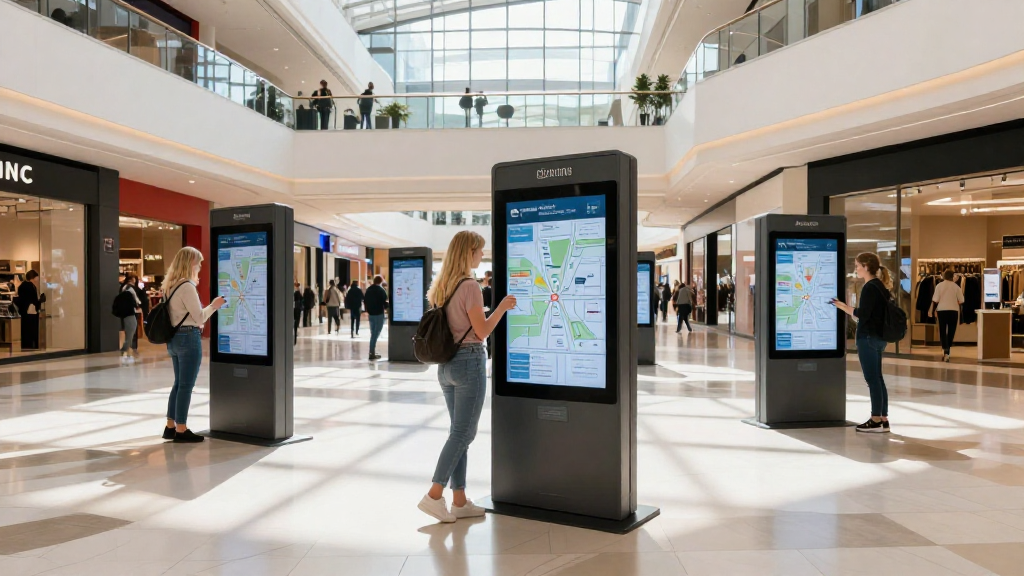
In the era of advanced technology, mall indoor mapping has emerged as a revolutionary tool that enhances the shopping experience. But how does it actually work? Let’s delve into the intricate processes behind indoor mapping, particularly in malls, and explore its various components and benefits.
What is Mall Indoor Mapping?
Mall indoor mapping refers to the creation of detailed digital representations of mall interiors. These maps help visitors navigate through the complex environments of shopping centers. Unlike traditional GPS systems, which only work well outdoors, indoor mapping provides accurate directions and information inside buildings.
There are several technologies and methods that contribute to the effectiveness of mall indoor mapping:
-
Wi-Fi Positioning Systems (WPS): Utilizes signals from Wi-Fi access points to determine location.
-
Bluetooth Low Energy (BLE): Works through beacons to identify proximity and direct users to points of interest.
-
Inertial Measurement Units (IMUs): Uses sensors in mobile devices to track movement and orientation.
-
Visual/Sensor-based Mapping: Employs cameras and other sensors to create a visual layout of the environment.
This sophisticated technology not only offers directions but also provides valuable insights into user behavior and foot traffic patterns.
How Do Malls Create Indoor Maps?
Creating effective mall indoor mapping involves a series of steps that combine technology and cartography. Here’s how the process generally unfolds:
1. Site Survey and Data Collection
-
Personnel Survey: Teams enter the mall equipped with devices to collect data.
-
Mapping Tools: Specialized tools, like 360-degree cameras or LiDAR, are used to gather detailed spatial data.
-
GPS Staging: While GPS isn’t effective indoors, it marks entry points for outdoor navigation.
2. Data Processing and Mapping
-
Computer-Aided Design (CAD): Data is imported into CAD programs for detailed design.
-
Pathways and Landmarks: Key features, including stores, restrooms, and emergency exits, are integrated into the maps.
3. System Integration
-
Software Syncing: Maps must be compatible with mall apps and other information systems.
-
Real-Time Updates: Connectivity tools help update information as stores change or events occur.
4. User Interface (UI) Development
-
User-Centric Design: The app or system is designed for easy navigation and access to information.
-
Interactive Features: Options for store filtering and providing shortcuts enhance user experience.
What Are the Benefits of Mall Indoor Mapping?
Mall indoor mapping provides myriad benefits to both shoppers and mall management, including:
For Shoppers:
-
Enhanced Navigation: Users can find their way quickly, reducing frustration.
-
Store Promotions: Maps often include promotional offers, enhancing the shopping experience.
-
Event Notifications: Shoppers can receive alerts about events or sales happening nearby.
For Mall Owners:
-
Foot Traffic Analysis: Understanding customer movement helps optimize store placements.
-
Security Improvements: Indoor maps can enhance security measures, making it easier to locate emergencies.
-
Marketing Insights: Analyzing traffic patterns provides insights into shopper behavior and preferences.
How Does Technology Enhance Mall Indoor Mapping?
The underlying technologies that drive mall indoor mapping have evolved significantly, leading to more accurate and user-friendly systems. Here are some of the key advancements:
1. Cloud Computing
-
Centralized Storage: Data can be accessed and modified in real-time, enabling immediate updates.
-
Scalability: Malls can expand their mapping systems without significant infrastructure changes.
2. Augmented Reality (AR)
-
Interactive Navigation: Shoppers can use AR to visualize directions on their smartphones.
-
Enhanced Engagement: Virtual maps can highlight promotions or features in an interactive format.
3. Artificial Intelligence (AI)
-
Predictive Analytics: AI helps analyze patterns and trends, providing actionable insights for mall managers.
-
Chatbots Assistance: Automation and AI-driven bots can assist shoppers in real-time queries.
How Do Users Interact with Mall Indoor Mapping?
The interaction with mall indoor mapping tools is designed to be intuitive and user-friendly. Here’s how users typically engage with these systems:
1. Mobile Apps
-
User-Friendly Navigation: Downloadable apps often include interactive maps, guiding users to their desired locations.
-
Custom Filters: Users can search for stores by category, brand, or promotions.
2. Digital Kiosks
-
Information Points: Strategically placed kiosks allow shoppers to access maps and information effortlessly.
-
Wayfinding Systems: Kiosks are often equipped with touch screens to provide easily navigable paths.
3. QR Codes
- Quick Access to Maps: Shoppers can scan QR codes placed throughout the mall to access maps instantly.
What Challenges Does Mall Indoor Mapping Face?
Despite the advantages, mall indoor mapping does face certain challenges, such as:
1. Cost of Implementation
- High Initial Investments: Designing and implementing comprehensive indoor mapping systems can be costly.
2. Data Privacy Concerns
- User Tracking Issues: Collecting data on foot traffic raises potential privacy concerns among shoppers.
3. Technology Integration
- Compatibility Issues: Ensuring that all mapping components work seamlessly can be complex and time-consuming.
4. Changing Environments
- Dynamic Nature of Malls: Frequent store changes, renovations, or events require constant updates to the maps.
How is the Future of Mall Indoor Mapping Shaping Up?
The future of mall indoor mapping looks promising with advancements in technology. Here are some trends to watch for:
1. Enhanced User Experience
- Greater Customization: Future systems may offer personalized maps based on user preferences and shopping history.
2. Integration with Smart Devices
- IoT Applications: The Internet of Things (IoT) will play a pivotal role in connecting devices for real-time updates.
3. Sustainability Initiatives
- Eco-Friendly Practices: Future mapping solutions may integrate sustainability efforts, promoting eco-friendly stores and initiatives.
In conclusion, mall indoor mapping is revolutionizing the retail experience by using innovative technologies to facilitate navigation, improve user experience, and optimize operations. By understanding the intricacies and functionalities of these mapping systems, shoppers can enjoy a more seamless and engaging experience while mall owners can benefit from valuable insights into consumer behavior. As technology continues to evolve, we can expect even more advancements in mall indoor mapping that will transform the way we shop and interact in retail spaces.