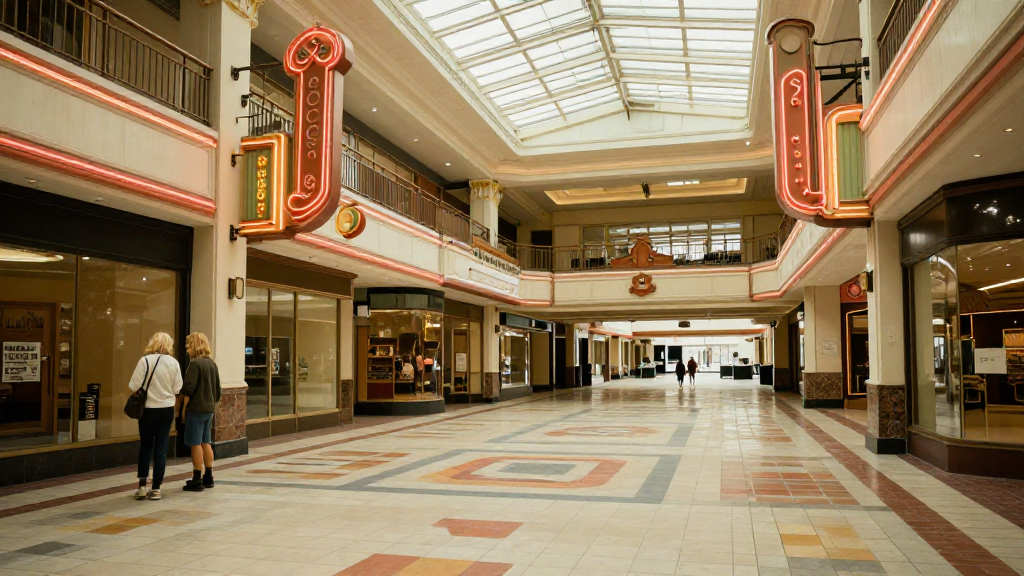
In today’s fast-paced digital world, one might wonder, do malls have historical value?
What Defines Mall Historical Value?
Malls are more than just shopping destinations; they are cultural artifacts that reflect the changing dynamics of society.
To understand their historical value, we need to consider several key elements:
-
Architectural Significance: Many malls are designed with unique architectural styles that represent specific time periods.
-
Cultural Trends: Malls have often mirrored the social and economic conditions of their eras, showcasing consumer behaviors and trends.
-
Community Hubs: Historically, malls have served as gathering places for communities, making them centers of social interaction.
-
Economic Indicators: The rise and decline of malls can also provide insights into broader economic trends within a region.
Through these lenses, we can begin to appreciate the historical significance of malls as more than mere buildings.
How Have Malls Evolved Over Time?
The story of malls is rich and complex, evolving dramatically since their inception in the mid-20th century.
-
1950s-1970s: Malls largely emerged post-World War II as suburbs expanded. They became a symbol of prosperity, offering everything from retail shops to entertainment.
-
1980s-1990s: Growth continued, and malls began to incorporate mega entertainment complexes and unique stores, becoming destinations rather than just shopping centers.
-
2000s-Present: The rise of e-commerce and changing consumer preferences have led to challenges. Many traditional malls have struggled, while others have transformed into mixed-use spaces, blending shopping, dining, and living.
Understanding this evolution is crucial when discussing mall historical value, as they reflect shifting societal norms and economic conditions over decades.
Why Are Malls Important to Local Communities?
Malls play an essential role in the fabric of local communities, serving a variety of functions.
-
Social Interaction: Before the rise of digital socialization, malls were the go-to spots for teenagers and families, becoming social hubs for generations.
-
Local Economy: Successful malls support local economic activity by providing jobs and attracting regional shoppers.
-
Cultural Landmarks: Iconic malls can become cultural landmarks, representing the identity of a community.
-
Event Spaces: Many malls host diverse events, from holiday celebrations to community fairs, enriching the local cultural landscape.
These facets illustrate how understanding the mall historical value is integral for appreciating their impact on communities.
What Challenges Do Malls Face Today?
Despite their historical significance, many malls are grappling with modern challenges:
-
E-commerce Competitors: The growth of online shopping has led to reduced foot traffic and sales in many traditional malls.
-
Changing Consumer Preferences: Shoppers are increasingly looking for unique experiences and local products, leading to a demand for specialized retail environments.
-
Economic Downturns: Economic recessions can lead to vacancies and decreased consumer spending, placing additional strains on malls.
These challenges prompt us to reevaluate the historical value of malls in the context of current societal trends.
Can Malls be Revitalized for Future Use?
As challenges mount, some malls are finding innovative ways to adapt and thrive.
-
Mixed-Use Developments: Many malls have been converted into mixed-use spaces that incorporate residential units, office spaces, and entertainment venues.
-
Emphasis on Experience: Some malls have shifted focus from retail to experiential offerings, such as interactive entertainment or dining experiences.
-
Sustainability Initiatives: With heightened awareness of environmental issues, many malls are implementing sustainable practices, from green roofs to eco-friendly building materials.
These revitalization efforts demonstrate that while malls face challenges, their historical value can guide their transformation for future generations.
How Does Preservation Impact Mall Historical Value?
Preserving malls and their unique histories can enhance their significance, contributing to a community’s cultural narrative.
-
Adaptive Reuse: Converting old malls into new public spaces can help preserve history while providing modern utility.
-
Cultural Heritage Sites: Recognizing certain malls as historical sites can foster investment and community pride, helping retain legacy.
-
Community Involvement: Engaging local communities in preservation efforts can enhance awareness and appreciation for historical significance.
Preserving their essence can serve as a means to maintain or even elevate the mall historical value.
Are There Successful Examples of Mall Revitalization?
Numerous examples of successful mall revitalization reflect the potential of these spaces:
-
Southdale Center, Minnesota: The first enclosed shopping mall, Southdale has transformed by integrating community spaces and unique retail offerings.
-
The Grove, California: This mall successfully combines shopping, dining, and entertainment, creating a vibrant urban environment that attracts both locals and tourists.
-
Tanger Outlets: With a shift towards outlet shopping, many malls have revitalized by offering discount and brand-name products, catering to budget-conscious shoppers.
These successful transformations demonstrate that with creativity and community support, malls can redefine their historical value.
Conclusion: Can We Afford to Lose Malls?
Malls are more than structures; they encapsulate social histories, community interactions, and economic trends over the years.
As we confront current challenges, understanding mall historical value becomes vital.
Their redevelopment can ensure that they remain relevant, serving as cultural landmarks that pay homage to the past while embracing the future.
By recognizing their worth, we can help preserve these spaces, fostering community connections that define us.
In conclusion, as we move forward in our digital age, it is essential to reflect on and appreciate the historical significance of malls not just as shopping venues but as vital components of our societal fabric.