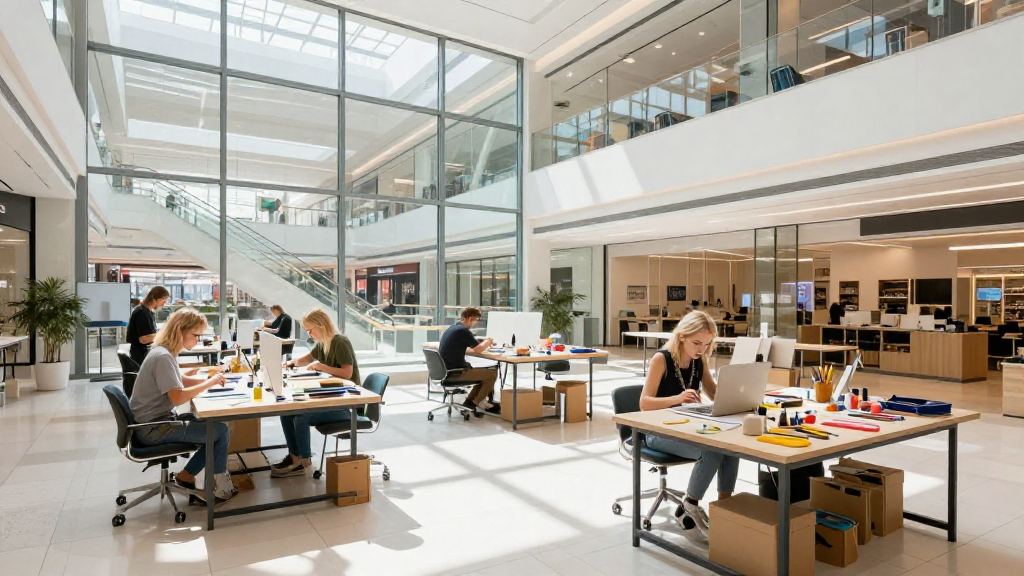
In recent years, the concept of a mall workshop space idea has become increasingly popular.
As community hubs evolve, shopping malls are starting to rethink their traditional roles and consider innovative ways to attract consumers.
By incorporating workshop spaces, malls can revitalize their environments while providing unique experiences.
What is a Mall Workshop Space Idea?
A mall workshop space idea can encompass a variety of activities.
These spaces can host classes, events, or hands-on experiences where people can learn new skills or create unique products.
Examples of activities might include:
- Art workshops: Painting, pottery, or mixed-media sessions
- Cooking classes: Unique culinary experiences with local chefs
- DIY crafting sessions: Jewelry making, sewing, or furniture refurbishing
- Fitness classes: Yoga, dance, or fitness boot camps
This innovative twist not only attracts people to the mall but fosters community engagement as well.
Why Are Malls Considering This?
Are Malls Adapting to Consumer Needs?
Today’s consumers are looking for experiences rather than just products.
They seek out activities that offer engagement and connection with others.
Here are several reasons why malls should consider implementing a mall workshop space idea:
-
Increased Foot Traffic: Workshops draw people in and encourage them to browse the surrounding stores afterward.
-
Community Engagement: Offering workshops fosters local connections and community spirit, making the mall a go-to destination for events.
-
Diverse Revenue Models: Workshops can generate income through class fees, collaborative partnerships, or sponsorships.
-
Brand Partnerships: Malls can collaborate with local artists, creators, and businesses to host workshops, creating sponsorship opportunities.
-
Boosted Community Image: A commitment to education and creativity enhances the mall’s brand as a community hub.
What Types of Businesses Can Utilize Mall Workshop Spaces?
Who Can Benefit from a Workshop Space?
Many businesses are suited for mall workshop space idea implementations.
These businesses can range from local artisans to educational institutions.
Here are some examples:
- Artisans and Crafters: Local creators can conduct workshops, teaching skills while selling their goods.
- Cooking Schools: Chefs can host culinary experiences for food enthusiasts eager to learn new recipes.
- Fitness Instructors: Trainers can utilize the space for fitness workshops, encouraging healthy habits.
- Schools and Educational Companies: They can offer workshops on STEM topics, arts and crafts, or various skills.
- Entrepreneurs: Startups can host networking events or product demos, connecting with potential customers.
How Can Malls Design Workshop Spaces?
What Makes a Great Workshop Space?
When implementing a mall workshop space idea, design and layout are crucial.
A successful workshop space should be:
-
Flexible: Easily adaptable for different types of activities.
-
Accessible: Located near popular stores and amenities for better visibility and foot traffic.
-
Equipped: Have the necessary tools and technology for various workshops.
-
Comfortable: Create a welcoming atmosphere with seating, lighting, and decor conducive to learning and creativity.
Malls can also consider utilizing underused retail spaces or common areas, transforming them into vibrant workshop environments.
What Are the Challenges of Implementing This Idea?
What Should You Consider?
While the mall workshop space idea offers several benefits, some challenges should not be overlooked:
-
Space Limitations: Malls may struggle with finding or redesigning enough space for workshops.
-
Consumer Demand: Understanding the target demographic’s needs to ensure high interest in workshops is imperative.
-
Operational Costs: Malls must consider the costs associated with staffing, materials, and marketing for the workshops.
-
Scheduling Conflicts: Coordinating events without disrupting mall operations or significant foot traffic can be complicated.
-
Marketing: To draw attendees, effective marketing strategies must be developed and consistently executed.
How Can Malls Successfully Market Workshop Spaces?
What’s the Best Strategy for Attracting Participants?
Once a mall workshop space idea is in place, proper marketing strategies must be employed.
Here are some effective techniques to attract participants:
- Social Media Marketing: Leverage platforms like Instagram, Facebook, and TikTok to create buzz around workshops.
- Collaborations: Partner with local influencers or community organizations to enhance visibility.
- Creative Signage: Use attractive and informative signage around the mall to promote upcoming workshops.
- Email Campaigns: Build an email list to send newsletters with workshop schedules and updates to engage the community.
- Local Press: Host preview events for journalists or bloggers to generate local media coverage.
Are There Successful Examples of Malls with Workshop Spaces?
What Malls Are Leading the Way?
Several malls across the globe have successfully implemented mall workshop space idea initiatives.
For instance:
-
Southdale Center in Minnesota: Hosts a variety of workshops in their community room, connecting local creatives with consumers.
-
Westfield World Trade Center in New York City: Offers pop-up workshops for local artists and businesses, providing unique experiences for visitors.
-
Mall of America in Minnesota: Features multiple spaces for pop-up shops and workshops, encouraging interaction among community members.
-
Yorkdale Shopping Centre in Toronto: Hosts seasonal workshops and events that align with local culture and major holidays, enhancing customer experience.
These malls not only provide shopping but create an environment for learning, art, creativity, and community engagement.
Conclusion: Should Malls Embrace Workshop Spaces?
Is the Trend Here to Stay?
A mall workshop space idea presents a promising avenue for malls looking to adapt to evolving consumer preferences.
As shopping habits continue to change, creating interactive experiences enhances both foot traffic and community engagement.
While challenges exist, successful models demonstrate that this concept can lead to increased revenue and brand loyalty.
Shopping malls that embrace this innovative trend may find themselves at the forefront of a new retail era, where experience trumps mere transactions.
In conclusion, the future of malls may very well depend on adapting to community needs through versatile and engaging spaces.
Will your local mall make the leap into the workshop trend?