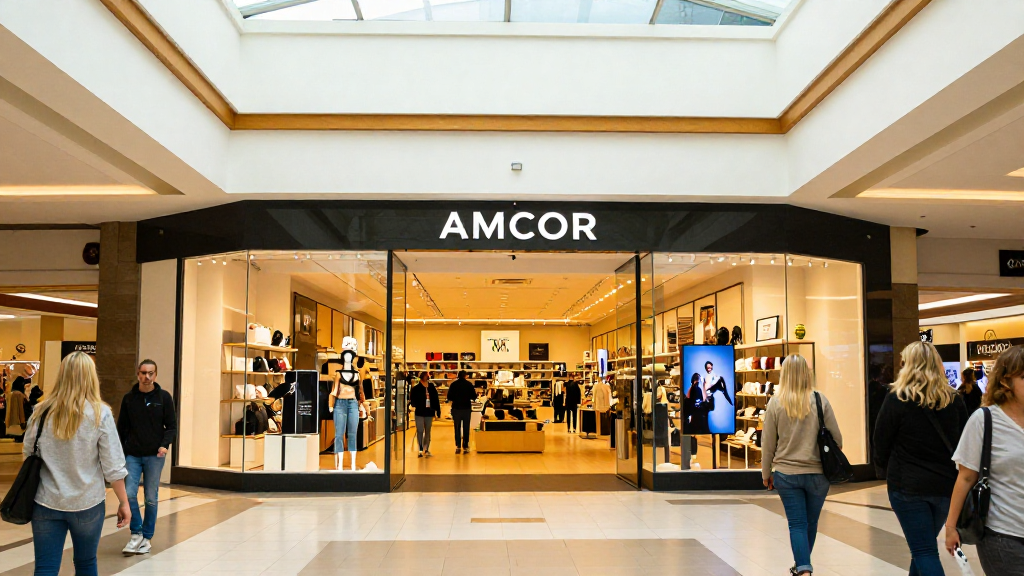
Being an anchor store in a mall comes with a multitude of benefits.
These can significantly enhance visibility, sales, and overall business performance.
What Exactly is a Mall Anchor Store?
A mall anchor store is typically a large retail establishment located at one or more ends of a shopping mall.
These stores serve as primary attractions for shoppers and can take various forms:
-
Department Stores: Such as Macy’s or JCPenney.
-
Big-Box Retailers: Like Target or Walmart.
-
Specialty Stores: For example, Best Buy or Dick’s Sporting Goods.
The primary purpose of these stores is to draw foot traffic to the mall.
They often occupy larger retail spaces, contributing to the mall’s overall appeal to consumers.
What Are the Benefits of Being an Anchor Store?
How Do Anchor Stores Drive Foot Traffic?
One of the most significant mall anchor store perks is their ability to drive foot traffic not only to themselves but also to smaller retail stores within the mall.
When a popular anchor store is present, it creates a destination for shoppers.
This leads to increased customer visits and longer dwell times in the mall environment.
With a higher foot traffic volume, smaller retailers also benefit from the spillover effect.
Can Anchor Stores Benefit from Better Lease Terms?
Yes, anchor stores often enjoy more favorable lease terms than smaller stores.
Because of their role in attracting customers, landlords are keen to have these tenants.
This position allows them to negotiate:
-
Lower Rent: Compared to smaller retailers.
-
Longer Lease Durations: Offering stability and reducing relocation costs.
-
Favorable Build-Out Options: Giving them greater flexibility to customize their retail space.
These advantages translate into lower operational costs, significantly affecting profit margins.
Are There Marketing Advantages for Anchor Stores?
Absolutely!
Anchor stores generally receive a higher level of marketing support.
Mall management often promotes anchor stores to entice shoppers, enhancing brand visibility.
Common marketing perks include:
-
Featured Advertising: In mall directories, digital signage, and promotional materials.
-
Exclusive Events: Such as store openings or seasonal promotions that attract large crowds.
-
Cooperative Advertising Opportunities: Joint promotions with smaller retailers in the mall.
This marketing support can lead to increased sales and awareness for the anchor store.
Do Anchor Stores Have a Competitive Advantage?
Indeed, the mall anchor store perks create a competitive advantage both for the anchor itself and for the mall as a whole.
By serving as a primary draw, anchor stores can outcompete standalone stores.
Some key competitive advantages include:
-
Brand Recognition: Many anchor stores are nationally recognized brands that attract loyal customers.
-
Product Diversity: As larger retailers, they can offer a broader range of products compared to smaller shops, drawing in a wider audience.
-
Economies of Scale: Larger stores typically enjoy lower per-unit costs, allowing them to run promotions more effectively.
What Role Do Anchor Stores Play in Customer Experience?
The presence of anchor stores helps to create an engaging shopping environment with:
-
Social Spaces: Often, these stores create areas within their premises where customers can interact or relax.
-
In-Store Events: These can include product launches, demos, or workshops that capture customers’ attention and foster community.
As customer engagement levels rise, so do the opportunities for cross-selling across the mall’s other retailers.
How Do Anchor Stores Contribute to Mall Aesthetics?
Besides driving traffic, mall anchor stores also play an important role in the overall mall aesthetic.
Their distinct storefronts and branding contribute to the mall’s visual appeal.
Many malls invest in attractive exterior designs for their anchor stores, including:
-
Landscaping: Beautiful greenery or water features that enhance the shopping atmosphere.
-
Signage: Eye-catching, well-designed signs that draw customers in from afar.
-
Art Installations: Some malls use anchors as settings for public art displays, making the space more inviting.
This attention to aesthetics can make the mall a pleasant place for customers to spend time, further increasing the likelihood of purchases.
Can Anchor Stores Attract More Partnerships?
Certainly!
The visibility and prestige associated with being a mall anchor store can lead to numerous partnership opportunities.
These may include:
-
Collaborations with Other Brands: Joint marketing initiatives or exclusive product lines.
-
Vendor Relationships: Enhanced access to high-demand products or exclusive offerings from vendors looking to partner with well-known retailers.
-
Community Events: Participation in local events, which can help maintain positive public relations.
These partnerships can create additional revenue streams, further enhancing overall profitability.
How Do Anchor Stores Influence Mall Layout?
Mall layouts often revolve around anchor stores.
This strategic positioning ensures that foot traffic is maximized.
Key layout influences include:
-
Foot Traffic Design: Smaller stores are usually placed near anchor stores to benefit from the higher number of visitors.
-
Parking Accessibility: Space allocated for mall anchors often includes more convenient parking access, drawing customers to these stores first.
-
Retail Mix: The type of anchor store can determine the selection of smaller stores nearby, attracting complementary offerings that encourage additional purchases.
By influencing the flow and strategy of retail within a mall, anchor stores play a crucial role in the overall shopping experience.
What’s the Long-Term Impact of Being an Anchor Store?
Finally, the long-term impact of being a mall anchor store is substantial.
These stores often enjoy:
-
Brand Loyalty: Customers develop a habitual shopping pattern, consistently returning.
-
Consistent Revenue Stream: Their established presence leads to repeat business, which is essential for long-term financial success.
-
Better Adaptability: Since they are generally larger operations, anchor stores can more readily adapt to market changes, evolving consumer preferences, or economic fluctuations.
In conclusion, the mall anchor store perks extend well beyond mere foot traffic.
They represent a symbiotic relationship between anchor stores and malls, with benefits that enhance retail performance, customer experience, and community engagement.
This unique position ensures that anchor stores remain vital to the retail landscape, continuing to thrive as anchors of commerce within vibrant mall environments.