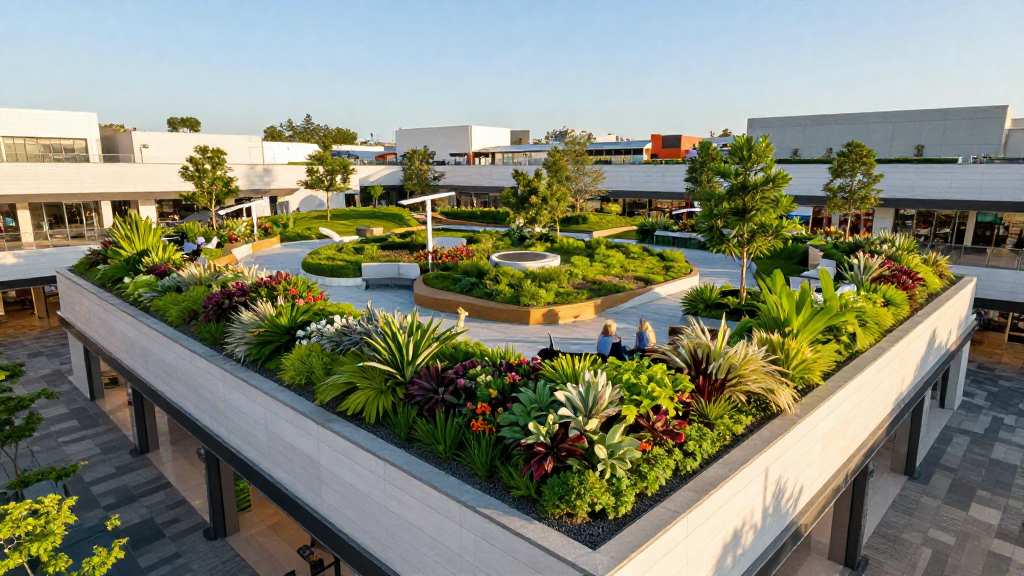
The mall green roof concept refers to the innovative design strategy of incorporating vegetation on the rooftops of shopping malls to promote sustainability and enhance the urban environment.
What Are the Benefits of a Mall Green Roof Concept?
The mall green roof concept provides numerous benefits that extend beyond aesthetics. Here are some key advantages:
-
Environmental Improvement: Green roofs help to reduce urban heat islands by cooling the surrounding air, thus improving air quality.
-
Biodiversity Enhancement: They create a habitat for various plant and animal species, contributing to urban biodiversity.
-
Stormwater Management: Green roofs absorb rainwater, which reduces runoff and minimizes flooding risk in urban areas.
-
Energy Efficiency: By providing insulation, green roofs can lower energy costs associated with heating and cooling the mall.
-
Aesthetic Appeal: A well-designed green roof can enhance the visual appeal of a mall, attracting more visitors and improving the overall shopping experience.
-
Increased Property Value: Retail spaces with green roofs may see higher property values due to their environmental benefits and aesthetic improvements.
How Does the Mall Green Roof Concept Work?
The mall green roof concept typically involves several key components and systems to ensure successful implementation:
-
Vegetation Selection: Choosing the right plants is crucial. Typically, drought-resistant and low-maintenance species are preferred. Succulents, sedums, and native plants are often used.
-
Layered Structure: A green roof has multiple layers:
– Waterproofing Membrane: To prevent leakage and protect the building structure.
– Drainage Layer: To ensure excess water doesn’t accumulate.
– Filter Fabric: To prevent soil erosion.
– Growing Medium: Lightweight soil that supports plant growth. -
Irrigation Systems: Depending on the climate and plants chosen, a smart irrigation system may be necessary to ensure proper watering without wasting resources.
-
Maintenance Plan: Regular maintenance is essential to keep the green roof healthy. This might include plant replacement, weeding, and checking the drainage system.
What Are the Design Considerations for a Mall Green Roof?
Implementing the mall green roof concept requires careful planning and design. Here are some critical considerations:
-
Structural Integrity: The building must be able to support the added weight of the green roof. Consulting structural engineers during the design phase is vital.
-
Accessibility: Incorporating walkways or accessible areas allows for maintenance and creates spaces for shoppers to enjoy.
-
Plant Selection: The plants should not only be suitable for the climate but also align with the aesthetic goals of the mall.
-
Integration of Amenities: Consider including seating areas, walking paths, or recreational spaces to encourage visitors to use the green roof as an extension of the mall experience.
-
Water Management Strategy: Proper planning for drainage and water retention is crucial to prevent water damage to both the roof structure and the retail spaces below.
Who Is Using the Mall Green Roof Concept?
Many progressive shopping malls and retail spaces have embraced the mall green roof concept. Here are some prominent examples:
-
The Shops at Nordstrom (Seattle, Washington): This mall features a rooftop garden that provides a beautiful green space for shoppers and local wildlife.
-
St. Laurent Centre (Ottawa, Canada): This shopping center has incorporated green roof technology to improve its environmental footprint while offering an attractive outdoor experience for visitors.
-
Westfield London (London, UK): The development boasts green roofs that provide recreational areas while fulfilling sustainability goals.
How Does the Mall Green Roof Concept Support Sustainability Goals?
The mall green roof concept aligns perfectly with broader sustainability objectives:
-
Reducing Carbon Footprint: By utilizing natural processes to manage heating, cooling, and stormwater, green roofs contribute to lowering greenhouse gas emissions.
-
Promoting Urban Green Spaces: With urban populations growing, green roofs provide essential green space in densely populated areas.
-
Encouraging Eco-friendly Shopping Choices: Eco-conscious shoppers are attracted to venues that showcase sustainability efforts, potentially increasing foot traffic and sales.
-
Educational Opportunities: Malls can use their green roofs as educational displays, offering workshops and information about environmental stewardship and urban ecology.
What Are the Costs Associated with Implementing a Mall Green Roof Concept?
Costs can vary significantly depending on several factors, including:
-
Initial Installation Costs: The expense of materials, labor, and design can be substantial. Basic installations could start from $10 to $20 per square foot, while more complex designs with amenities can go significantly higher.
-
Maintenance Costs: Regular upkeep is necessary for ensuring the viability of the green roof. This may involve costs for horticulturists, gardening supplies, and water management systems.
-
Long-term Savings: While initial costs can be high, savings on energy bills and water management can provide considerable benefits in the long term.
How Can Malls Engage Shoppers with Their Green Roofs?
The mall green roof concept is not only functional but can also be a unique selling proposition (USP) for malls. Here are some ways malls can engage their customers through green rooftops:
-
Events and Workshops: Hosting gardening workshops or sustainability-related events can attract visitors who are environmentally conscious.
-
Retail Partnerships: Collaborating with local plant nurseries or eco-friendly brands can create a niche marketplace for eco-centric shoppers.
-
Social Media Engagement: Malls can use platforms like Instagram and Facebook to showcase the beauty and benefits of their green roofs, thus driving more foot traffic.
-
Interactive Displays: Incorporating educational signs or interactive elements on the roof can inform and engage visitors about local flora, fauna, and sustainability practices.
Conclusion
The mall green roof concept is a transformative approach to integrating nature into urban shopping spaces.
By understanding the benefits, design considerations, and engagement opportunities associated with green roofs, malls can enhance their appeal while contributing positively to the environment.
As more shopping centers adopt this concept, it is evident that green roofs are paving the way for a sustainable shopping future.
Investing in a mall green roof may be an opportunity for malls to not only thrive economically but also become stewards of the environment.