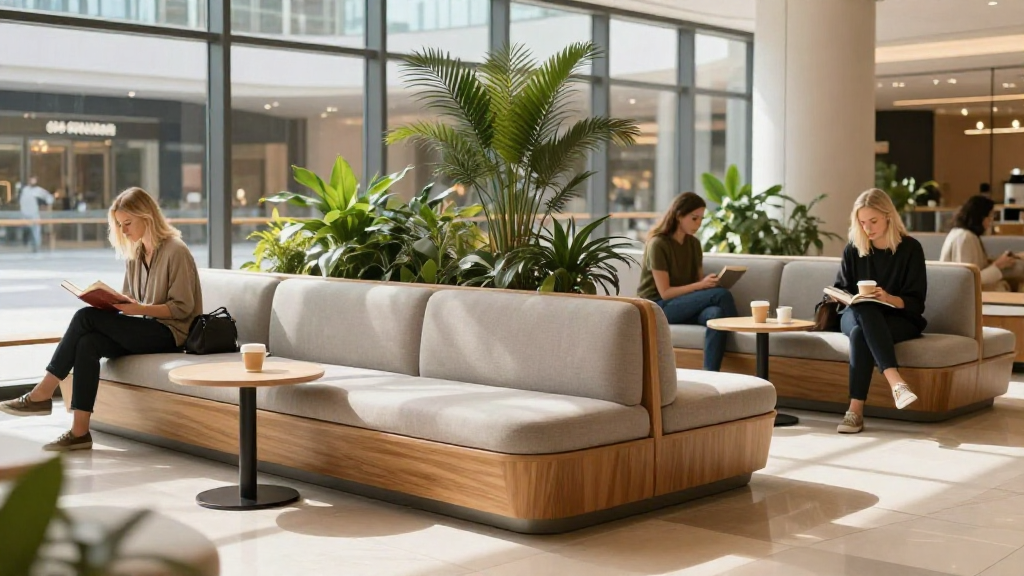
When considering effective mall rest area planning, it’s essential to create a customer-friendly environment that enhances their shopping experience.
Why are Rest Areas Important in a Mall?
Creating designated rest areas is crucial for any shopping center aiming to provide an enjoyable experience to its visitors.
These areas serve multiple functions:
- Comfort: They provide a place for shoppers to rest and recharge between shopping sprees.
- Social Interaction: Rest areas promote social interaction among visitors, enhancing the mall’s community feel.
- Strategic Placement: They can draw foot traffic to specific areas of the mall, especially if strategically located near dining or entertainment options.
Ultimately, effective mall rest area planning caters not just to the physical needs of visitors but also enhances their overall experience, encouraging longer stays and potentially increasing sales.
How Do You Identify the Best Locations for Rest Areas?
Identifying the ideal locations for rest areas in a mall requires careful observation and strategic thinking.
Here are several considerations to keep in mind:
-
Foot Traffic Flow:
Areas with high foot traffic such as entrances, near escalators, and close to food courts are optimal. -
Proximity to Amenities:
Locate rest areas near dining establishments or entertainment sections where visitors might be inclined to take a break. -
Visibility:
Rest areas should be highly visible to invite and encourage visitors to take advantage of the space. -
Gender-Specific Needs:
Providing facilities such as nursing rooms or changing stations can enhance the appeal of rest areas, catering specifically to families.
Implementing these factors can lead to effective mall rest area planning that meets diverse visitor needs.
What Features Should Be Included in Mall Rest Areas?
The features you include in your rest areas can significantly impact their popularity and functionality.
Consider incorporating the following essentials:
-
Comfortable Seating:
Offer a variety of seating options, including benches, lounge chairs, and even soft bean bags to cater to different preferences. -
Charging Stations:
With the prevalence of smartphones, providing charging points is an added convenience that many visitors will appreciate. -
Wi-Fi Access:
Free Wi-Fi encourages customers to linger longer, browse online, and potentially spend more during their visit. -
Restroom Proximity:
Ensure that rest areas are located close to restrooms, providing convenience to customers. -
Accessibility:
Make sure that areas are accessible for all, including visitors with disabilities. -
Artwork and Ambiance:
Aesthetically pleasing elements such as artwork and soft lighting can create a welcoming atmosphere that encourages relaxation.
Incorporating these features into your mall rest area planning can transform these spaces into highly sought-after destinations within the mall.
How Can You Enhance the Experience in Rest Areas?
Enhancing the experience in rest areas requires more than just functional amenities; it’s about creating an inviting environment.
Here are some ideas:
-
Curated Music or Soundscapes:
Soft background music can create a relaxing atmosphere. -
Thematic Decor:
Use themes that reflect local culture or changing seasons to make rest areas feel fresh and engaging. -
Interactive Elements:
Consider adding elements such as digital kiosks or information screens that provide entertainment or mall information. -
Host Events:
Organizing small events, like local art displays or relaxing yoga sessions, can attract visitors to the rest areas.
These enhancements can make the spaces not just functional but also a destination in their own right, contributing to the mall rest area planning process.
How to Gather Feedback for Continuous Improvement?
Feedback is crucial for optimizing rest areas over time.
Consider these strategies:
-
Surveys:
Use brief surveys to gather visitor insights on rest area experiences, preferences, and suggestions. -
Staff Observations:
Train staff to pay attention to visitor reactions and comments regarding the usage of rest areas. -
Usage Data:
Analyze foot traffic data to monitor how often rest areas are utilized, identifying what works and what doesn’t. -
Focus Groups:
Organize discussions involving diverse groups of mall visitors to obtain deeper insights into their preferences.
By continually refining the rest areas based on visitor feedback, mall management can ensure that they meet the evolving needs of their customer base.
How Does Technology Play a Role in Mall Rest Area Planning?
With the advancement of technology, integrating smart solutions can enhance the functionality of rest areas.
Here are some tech ideas to consider:
-
Smart Seating:
Seats equipped with sensors that indicate availability can help manage flow and occupancy. -
Mobile Apps:
An app that provides maps or shows real-time package pick-up points can guide visitors to rest areas easily. -
Augmented Reality:
Use AR to create interactive maps or fun challenges that lead visitors through the mall to rest areas. -
Digital Signage:
Screens displaying information about upcoming sales or events can draw attention to rest areas as social hubs.
Integrating these technologies can support your mall rest area planning efforts, making the mall experience more user-friendly and appealing.
What Are the Best Practices for Mall Rest Area Planning?
Incorporating best practices can streamline your mall rest area planning process.
Here are some essential guidelines:
-
Involve Stakeholders:
Engage mall managers, local businesses, and even shoppers during the planning process to gather insights. -
Prioritize Safety:
Ensure that all areas are well-lit and safe to encourage more visitors. -
Maintain Cleanliness:
Regular maintenance is crucial. Clean and tidy spaces reflect a well-managed environment that enhances visitor comfort. -
Adaptability and Flexibility:
Design rest areas that can be easily adapted or reconfigured for different seasons, special events, or changing visitor needs.
Following these best practices can optimize your rest areas, turning them into beloved features of the mall.
Conclusion
In summary, effective mall rest area planning transforms a typical shopping experience into an enjoyable outing.
By considering location, features, customer feedback, and incorporating technology, mall management can create spaces that not only cater to visitor needs but also enhance overall satisfaction.
Take the first step towards amazing rest area design and watch as customers embrace these inviting spaces, paving the way for increased foot traffic and higher sales.