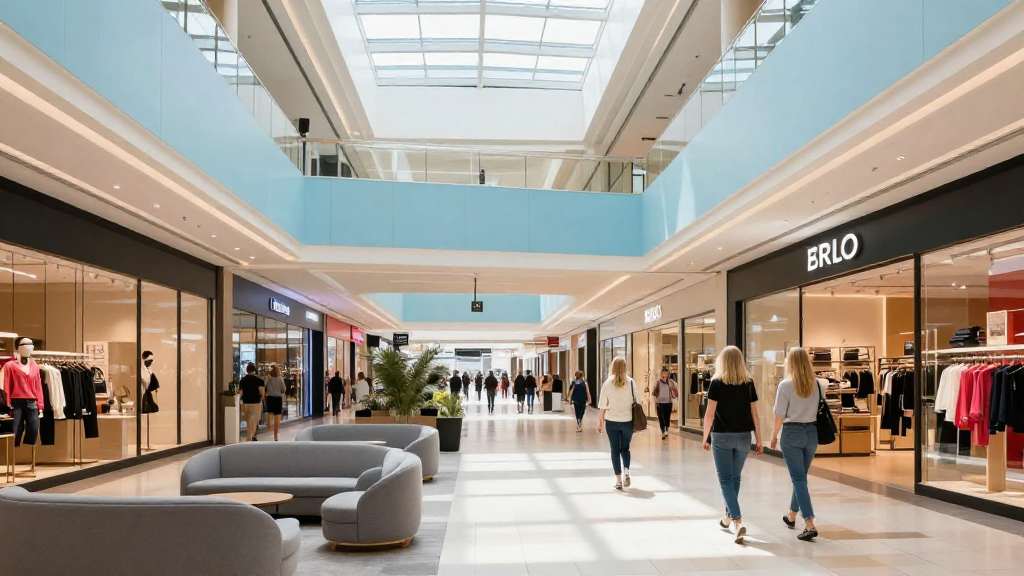
When designing a mall’s interior, the choice of color schemes can significantly affect the shopping experience.
Why Do Mall Interior Color Schemes Matter?
Malls are not just places to shop; they are destinations that create feelings of excitement, comfort, and relaxation.
The right mall interior color schemes can enhance the shopping experience, guide customer behavior, and even influence sales.
Color has psychological effects, and understanding these effects can lead to better choices in design.
Let’s explore some of the most popular mall interior color schemes found in contemporary shopping centers.
What Are the Trends in Mall Interior Color Schemes?
Color trends evolve with time, influenced by cultural phenomena, design theories, and consumer preferences.
Today, mall interior color schemes often reflect a harmonious blend of aesthetics and functionality.
What Are the Popular Color Palettes?
-
Neutral Tones
– Whites, greys, and beiges create a timeless feel.
– Neutrals allow products to stand out, making them ideal for retail spaces.
– These colors offer versatility for various designs and themes. -
Earthy Hues
– Colors like terracotta, olive green, and mustard yellow evoke warmth.
– Earth tones can create a cozy, welcoming environment that encourages customers to linger.
– They are often paired with natural materials for a more organic feel. -
Bold Accent Colors
– Deep blues, vibrant reds, and striking greens draw attention and create focal points.
– Accent colors can highlight specific areas, such as food courts or entertainment zones.
– Using them sparingly within a neutral palette can enhance the overall aesthetic without overwhelming customers. -
Pastel Shades
– Soft pinks, baby blues, and light yellows create a calming ambiance.
– Pastels work well in family-friendly areas of malls or fashion and beauty sections.
– They promote relaxation and can appeal to younger demographics.
How Do Mall Interior Color Schemes Affect Customer Behavior?
The choice of mall interior color schemes can influence the mood and behavior of shoppers.
Here are some psychological impacts related to various color choices:
- Red: Energy and urgency; can encourage impulse buying.
- Blue: Trustworthiness and calm; ideal for electronics and tech stores.
- Green: Health and tranquility; great for eco-friendly or wellness brands.
- Yellow: Happiness and optimism but can be overpowering if overused.
Understanding these psychological effects allows mall designers to tailor the atmosphere based on the desired shopping experience.
What Are Some Examples of Mall Interior Color Schemes?
Let’s explore some successful examples of mall interior color schemes implemented worldwide:
1. The Venetian, Las Vegas
- Colors: Cream, soft blues, and gold accents.
- Impact: Creates a luxurious, serene space reminiscent of Venice.
- Experience: Shoppers feel relaxed, allowing them to enjoy their time without feeling rushed.
2. Mall of America, Minnesota
- Colors: Bright primary colors—red, yellow, and blue.
- Impact: Energetic and youthful feel, perfect for families and kids.
- Experience: Encourages exploration and fun, drawing visitors into various attractions.
3. Tysons Corner Center, Virginia
- Colors: Sleek greys with gold and ivory accents.
- Impact: Elegant and modern vibe that appeals to luxury shoppers.
- Experience: A sophisticated atmosphere encourages high-end purchases.
What Are the Best Practices for Choosing Mall Interior Color Schemes?
When selecting mall interior color schemes, consider the following best practices to ensure a cohesive and effective design:
1. Assess Brand Identity
- Colors should resonate with the mall’s target demographics and overall brand image.
- Consider how the colors reflect the mall’s personality and vision.
2. Plan for Lighting
- Natural and artificial lighting can dramatically alter how colors appear.
- Test color samples in the actual lighting conditions before making final choices.
3. Use Color Psychology
- Research how different colors influence emotions and behaviors.
- Aim for a balance between stimulating and calming colors to enhance comfort.
4. Integrate with Space Layout
- Color schemes should complement the physical layout of the mall.
- Use colors strategically to guide shopper flow and highlight key areas.
5. Conduct Customer Feedback
- Get opinions from potential customers on proposed color schemes.
- This can help in realizing what resonates with the target market.
How Can Malls Create Unique Ambiances Using Color?
On top of setting a particular tone through mall interior color schemes, malls can incorporate different styles to create memorable experiences.
Innovative Techniques to Integrate Color:
- Interactive Wall Art: Use colorful murals or panels to engage visitors and create Instagrammable moments.
- Seasonal Changes: Rotate colors and decor based on seasons, keeping the environment fresh and dynamic.
- Lighting Effects: Utilize LED lighting to shift color perception, making areas feel different throughout the day and evening.
- Themed Zones: Design distinct sections of the mall in different color palettes that adhere to specific themes, like relaxation zones versus high-energy retail spaces.
Conclusion: What Does the Future Hold for Mall Interior Color Schemes?
As consumer preferences evolve, so too will the concepts surrounding mall interior color schemes.
Future trends may continue to prioritize sustainability with eco-friendly colors derived from natural pigments or even smart technology that can change color based on shopper behavior.
With careful consideration, innovation, and understanding of color psychology, future malls can remain vibrant spaces that cater to the ever-changing shopping experience.
Choosing the right mall interior color schemes is an art form that influences not just aesthetics but also the very direction of consumer engagement.
Keep an eye on these trends, as they evolve and transform the shopping landscape for years to come.