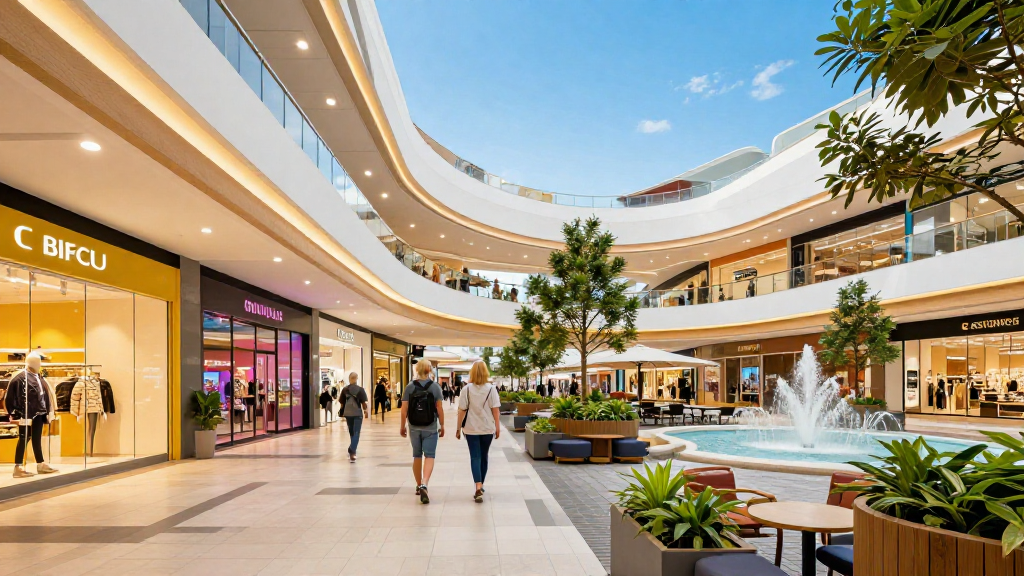
Understanding the difference between a mall and a plaza can enhance your shopping experience and help you choose the right venue for your needs.
From various sizes and designs to the types of shops they house, malls and plazas are distinct entities in the retail landscape.
What Is a Mall?
A mall, short for shopping mall, is a large indoor shopping complex.
Typically, it features multiple stores, entertainment options, and food courts.
Key Characteristics of Malls:
-
Size: Malls are usually expansive, often covering several acres and housing hundreds of retail shops.
-
Structure: They are primarily enclosed structures, with climate control, making them a year-round shopping destination.
-
Variety of Stores: Malls offer a broad spectrum of retail options, from high-end luxury brands to everyday necessities.
-
Amenities: Malls often include entertainment features such as movie theaters, arcades, and play areas for children, as well as dining options like sit-down restaurants and fast food.
-
Accessibility: Most malls are designed with ample parking and often have public transport access.
Common Types of Malls:
- Regional Malls: Larger with diverse high-end and mid-tier brands.
- Super-regional Malls: Even bigger than regional malls and offer a wider variety of stores and entertainment options.
- Outlet Malls: Focus on selling brand-name products at discounted prices, often featuring factory outlets.
What Is a Plaza?
In contrast, a plaza—sometimes referred to as a shopping plaza or strip mall—is typically an open-air retail space.
Plazas are more oriented towards convenience shopping.
Key Characteristics of Plazas:
-
Size: Plazas are comparatively smaller than malls and usually consist of a strip of stores.
-
Structure: They are often outdoor shopping areas, making them accessible and inviting during pleasant weather.
-
Variety of Stores: Plazas typically house a mix of retail stores, grocery stores, and restaurants, though the selection may be limited compared to malls.
-
Amenities: Plazas focus on convenience, often providing ample parking but fewer entertainment options.
-
Accessibility: Most plazas have easy access from main roads and are usually designed for a quicker shopping experience.
Common Types of Plazas:
- Neighborhood Plazas: Serve local communities with essential services and grocery stores.
- Lifestyle Centers: Offer a mix of retail and dining experiences, often with an upscale environment.
- Power Centers: Large plazas featuring big-box retailers.
How Do Malls and Plazas Differ?
Understanding the difference between a mall and a plaza encompasses several factors, including architecture, purpose, and customer experience.
What Are Their Main Design Differences?
-
Indoor vs. Outdoor: Malls are predominantly enclosed structures while plazas are generally open-air, allowing for natural light and ventilation.
-
Entertainment Focus: Malls are often designed to provide a full day of entertainment, including cinemas and other attractions. Plazas typically focus on convenience rather than entertainment options.
What Types of Stores Can You Find in Malls and Plazas?
Malls usually feature a diverse selection of stores including high-end brands and specialty shops.
On the other hand, plazas often cater to basic needs with stores like pharmacies, grocers, and low to mid-priced retailers.
Here’s how to break it down:
In Malls:
- High-end fashion brands
- Electronics stores
- Specialty stores (jewelry, toys, etc.)
- Large department stores
In Plazas:
- Grocery stores
- Fast-food outlets
- Local retailers
- Service-oriented stores (salons, gyms)
What Are the Shopping Experiences Like?
The shopping experience can vastly differ based on whether you are in a mall or a plaza.
Why Choose a Mall?
-
Variety: If you desire a wide range of shopping options, from luxury to everyday items, malls could be your best bet.
-
Entertainment: Malls provide entertainment for families and individuals, making it a more dynamic outing.
Why Choose a Plaza?
-
Convenience: If you want quick access to daily necessities, plazas often serve better for quick stops.
-
Relaxed Atmosphere: Since plazas are usually outdoor and smaller, they offer a more laid-back shopping experience.
Are Malls and Plazas Evolving?
Yes, the retail landscape is changing, and so are shopping centers.
With the rise of e-commerce, both malls and plazas have been evolving to meet shopper needs.
How Are They Adapting?
-
Mixed-Use Spaces: Many malls are incorporating living spaces, offices, and restaurants into their designs to create a more communal feel.
-
Experiential Retail: Both venues are shifting towards experiential retail, offering events, workshops, or interactive showcases.
-
Sustainability: Increasingly, both malls and plazas are focusing on eco-friendly practices to appeal to the growing environmentally conscious consumer base.
Conclusion: What Should You Choose?
When considering the difference between a mall and a plaza, it boils down to your shopping needs and preferences.
-
Choose a mall if you prefer a wide variety of stores and entertainment options within an enclosed space.
-
Select a plaza if you require quick access to everyday essentials in an open, relaxed atmosphere.
The right venue for your shopping will ultimately depend on what you’re seeking—be it a leisurely day spent exploring diverse shops, or a quick run to pick up groceries.
Understanding the characteristics of each can help you make informed choices that enhance your shopping experience.
Whether you’re heading to a mall or a plaza, make sure to enjoy the experience!