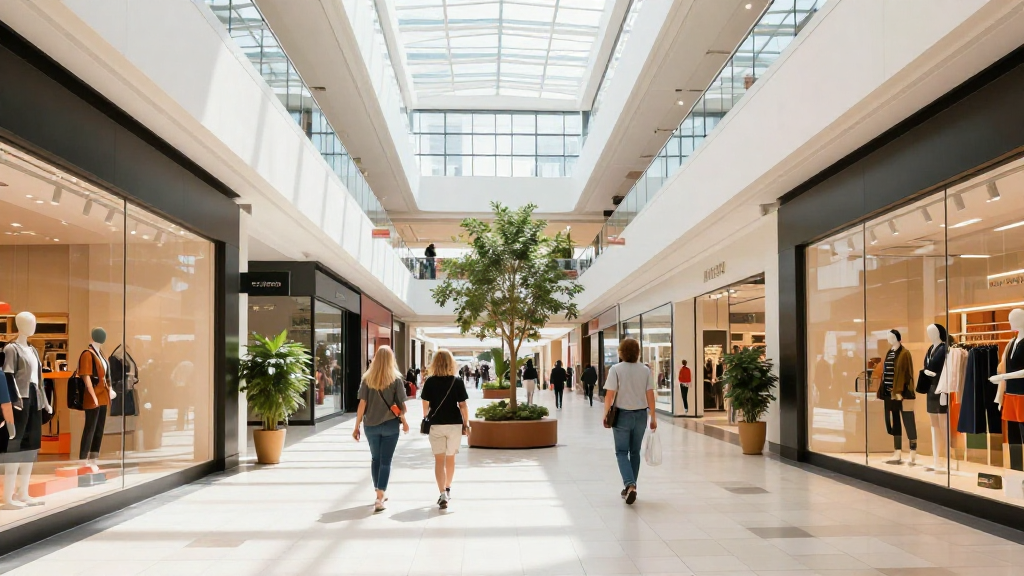
What is a mall?
In essence, a mall is a large indoor shopping center featuring a variety of retail stores, entertainment options, dining establishments, and sometimes even services all under one roof.
What Are the Key Components of a Mall?
Malls are designed to provide consumers with a seamless shopping experience.
Understanding what a mall consists of can help clarify how it operates.
Here are some of the key components that make up a mall:
-
Retail Stores:
– Malls typically house a mix of anchor stores and smaller retailers.
– Anchor Stores: Large department stores like Macy’s or Nordstrom.
– Specialty Stores: Smaller shops that cater to niche markets, including boutiques, electronics, and accessories. -
Food Courts and Restaurants:
– Malls often contain a food court with fast-food options, casual dining, and sometimes even gourmet restaurants.
– Eating establishments offer variety for visitors, encouraging them to spend more time in the mall. -
Entertainment Venues:
– Many malls feature entertainment options such as cinemas, arcades, or bowling alleys.
– This aspect draws in diverse crowds and increases foot traffic. -
Services:
– Some malls include services like salons, spas, and dry cleaning, offering convenience for shoppers.
– Customer Services: Information desks help visitors with inquiries and guide them throughout the mall. -
Common Areas:
– These are spaces like plazas, seating areas, and restrooms, designed for comfort and social interaction.
– Decor, landscaping, and art installations create an inviting atmosphere.
How Do Malls Operate?
So, how does a mall work overall?
The operations of a mall involve multiple layers of management and coordination.
Here’s a breakdown of the operational aspects:
-
Tenancy Agreements:
– Retailers enter into contracts that specify how they operate within the mall’s premises.
– Rent is typically determined by foot traffic, store size, and location within the mall. -
Management:
– A mall is operated by a management team responsible for overseeing daily functions.
– This includes maintenance, marketing, security, and tenant relationships. -
Marketing and Promotions:
– To attract visitors, malls often participate in advertising campaigns, seasonal promotions, and special events.
– These might include holiday sales, fashion shows, or themed events designed to boost foot traffic. -
Customer Experience:
– The focus is on creating a memorable experience for shoppers through aesthetics, cleanliness, and customer service.
– Many malls now offer Wi-Fi, charging stations, and loyalty programs to enhance the shopping experience.
What Is the History of Malls?
To truly understand what a mall is, it’s helpful to look at its historical context.
Malls have evolved significantly since their inception.
The Rise of Malls
-
1950s: The modern shopping mall began to emerge in the United States as suburbs grew.
-
1960s-1980s: This period saw the expansion of mega-malls equipped with entertainment and dining options.
-
1990s-Present: The rise of e-commerce posed a challenge to traditional malls, leading to the development of mixed-use spaces that blend shopping with living and working areas.
Why Are Malls Important?
Understanding what is a mall means recognizing their societal and economic roles.
Malls are more than just shopping destinations; they serve as community hubs.
Economic Impact
-
Job Creation: Malls provide thousands of jobs ranging from retail positions to management roles.
-
Tax Revenue: They contribute significantly to local economies through sales tax and property taxes.
Social Aspects
-
Community Spaces: Malls often serve as social gathering places where people of all ages come together.
-
Events and Activities: Shopping centers frequently host events, art shows, and charity drives, fostering community spirit.
What Are the Different Types of Malls?
When considering what is a mall, it’s also useful to recognize that not all malls are created equal.
They come in various types, each catering to different consumer needs.
-
Regional Malls:
– Large shopping centers typically featuring a mix of high-end and mainstream brands, along with various entertainment options. -
Community Malls:
– Smaller than regional malls, these focus on local communities and typically include essential retail and service providers. -
Outlet Malls:
– Featuring discounted goods directly from manufacturers, outlet malls attract bargain hunters looking for deals on brand-name products. -
Lifestyle Centers:
– An open-air shopping area that combines retail with entertainment and dining, often with pedestrian-friendly designs. -
Power Centers:
– Equipped with several big-box retailers, power centers typically offer a vast selection of products at competitive prices.
How Has E-Commerce Changed Malls?
In recent years, the rise of e-commerce has significantly impacted how malls function.
Shoppers increasingly blend online and in-store shopping experiences.
Adaptation Strategies
-
Store Experiences:
– Malls are focusing on creating unique in-person shopping experiences that can’t be replicated online, such as personalized customer service and interactive displays. -
Technology Integration:
– Many malls have adopted technology, such as apps to guide visitors, facilitate online orders for in-store pickup, and improve customer engagement. -
Diversification:
– Malls are transforming into lifestyle centers, incorporating fitness studios, coworking spaces, and more, beyond just retail.
What Can We Expect in the Future?
As we reflect on what is a mall, it’s essential to also consider their future.
The shopping landscape will inevitably continue to change.
Trends to Watch
-
Sustainability: Malls will likely implement eco-friendly practices, including green building initiatives and sustainable brands.
-
Family Entertainment: Expect more entertainment options geared towards families, such as theme parks, climbing gyms, and immersive experiences.
-
Multi-Use Spaces: Look for an increase in mixed-use development, combining retail, dining, and residential spaces to create vibrant community hubs.
Conclusion
In summary, understanding what a mall is goes beyond its definition; it encompasses its structure, functionality, cultural significance, and evolution in the face of modern challenges.
Malls are not merely shopping venues but intricate ecosystems designed for consumer engagement and community interaction.
Their ability to adapt to changing consumer behaviors will define the future of mall experiences, ensuring they remain relevant in a digital world.
Whether you’re a shopaholic or just looking for a place to spend time with friends and family, malls will continue to play a vital role in our daily lives.