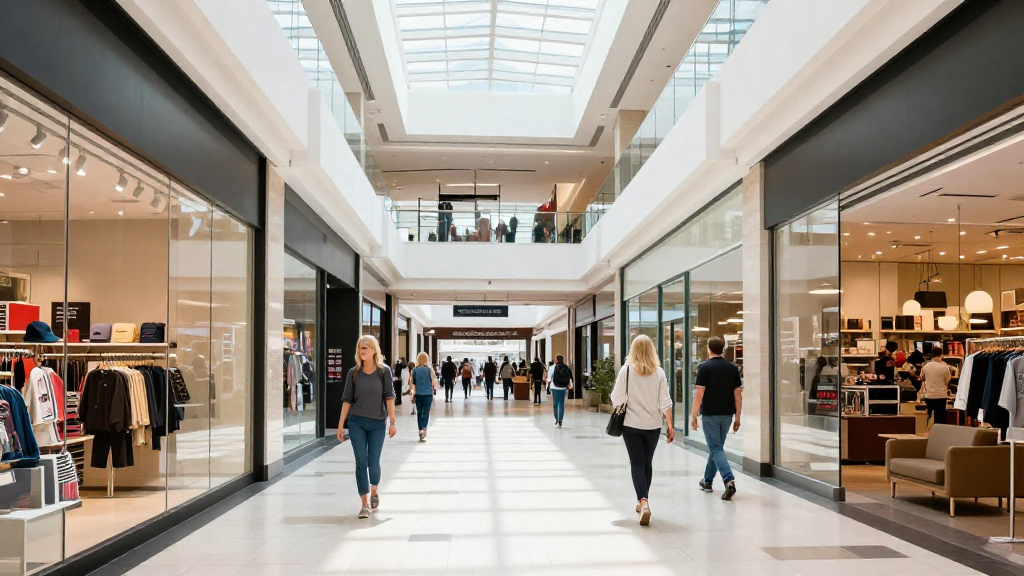
Understanding how malls make money can help consumers appreciate the complex ecosystem behind their favorite shopping destinations.
From retail space leasing to entertainment offerings, malls operate on multiple revenue streams.
In this article, we delve into the intricacies of mall revenue sources and the strategies that keep these retail meccas thriving.
What Are the Primary Revenue Sources for Malls?
One of the key players in the retail environment, malls utilize several revenue streams to stay financially viable.
Here are the main ways that they generate income:
- Rent from Retailers
- Common Area Maintenance (CAM) Fees
- Advertising and Promotions
- Event Hosting
- Parking Fees
- Food Court Operations
- Entertainment and Attractions
How Does Rent from Retailers Contribute to Mall Revenue?
The most significant portion of income for malls comes from rent paid by retailers.
Each retail space within the mall is leased to stores, which in turn pay monthly rent.
This rent can vary based on the following:
- Location: High-traffic areas command higher rents.
- Size of the Space: Larger spaces generally have a higher price tag.
- Type of Store: Specialty or anchor stores may have different rent structures.
These lease agreements often include terms that benefit both parties, creating a stable financial ecosystem.
Many leases have a percentage rent component where the retailer pays a percentage of their sales once they exceed a certain threshold, ensuring that mall owners earn more as retailers thrive.
What Are Common Area Maintenance (CAM) Fees?
Another crucial aspect of how malls make money involves Common Area Maintenance (CAM) fees.
These fees cover the operational costs associated with maintenance and management of common areas, such as:
- Cleaning Services
- Security Systems
- Landscaping
- Utilities (lighting, heating, cooling)
CAM fees are usually calculated based on the square footage of a retailer’s lease space.
This ensures that all retailers contribute fairly to maintaining the shared ambiance and functionality of the mall.
How Do Advertising and Promotions Play a Role in Revenue?
Advertising offers yet another avenue by which malls boost their income.
They often partner with brands to display promotional materials, such as:
- Billboards and Kiosks
- Digital Screens
- Promotional Events
By selling advertising space and securing partnerships with various brands, malls can create a vibrant atmosphere while generating significant revenue.
What is the Impact of Hosting Events on Profits?
Malls often capitalize on their spacious areas by hosting events, which serve both marketing and financial purposes.
Different events may include:
- Seasonal Celebrations (holiday fairs, fireworks, etc.)
- Live Performances (concerts, fashion shows)
- Workshops and Community Events
These events not only attract foot traffic but also create additional streams of revenue through sponsorships and increased sales for retailers.
Can Parking Fees Be a Revenue Stream?
In some cases, malls may also charge for parking.
This is particularly common in larger urban centers where parking space is at a premium.
Parking fees can be structured as follows:
- Flat Fee: A fixed rate to park regardless of duration.
- Hourly Rates: Charged based on time spent in the lot.
While some malls offer free parking, those that charge often find that it can significantly enhance revenue, especially if the demand for parking is high.
How Do Food Court Operations Contribute to Mall Income?
Food courts are integral to the overall experience that malls provide.
Restaurants and food stalls not only enhance the atmosphere but also serve as an additional revenue stream.
Malls benefit from food court operations in several ways:
- Leasing: Food vendors pay rent, similar to retail stores.
- Sales Percentage Agreements: Some contracts include a percentage of sales to be paid to the mall.
- Attracting Visitors: More dining options entice shoppers to linger longer, often leading to increased retail sales.
What Role Do Entertainment and Attractions Play in Mall Revenue?
Malls that feature entertainment options, such as movie theaters, arcades, or amusement parks, enjoy diversified income sources.
Entertainment and attractions can:
- Increase foot traffic, which translates into sales for all merchants.
- Create a unique shopping environment, attracting people beyond traditional retail.
For instance, a mall with a cinema may become a popular outing spot, encouraging people to shop and dine there before or after watching a movie.
What Challenges Do Malls Face in Generating Revenue?
Despite their various revenue streams, malls face challenges that can hinder profitability.
Factors include:
- Shift to Online Shopping: As e-commerce grows, consumer foot traffic to malls has generally declined, impacting overall sales for many retailers.
- Changing Consumer Preferences: Today’s consumers prefer experiences over products, emphasizing the need for mall adaptation.
- Increased Competition: The rise of lifestyle centers and online platforms has introduced significant competition, driving many traditional malls to rethink their strategies.
How Are Malls Evolving to Maintain Revenue?
To combat these challenges, many malls are evolving their strategies.
Some emerging trends include:
- Repurposing Space: Converting retail space to entertainment, leisure, and experience-based venues.
- Community Engagement: Hosting farmer’s markets, art shows, and other community-focused events.
- Partnerships: Collaborating with e-commerce platforms for click-and-collect services, merging online and offline shopping experiences.
Conclusion: How Do Malls Make Money in an Evolving Marketplace?
In conclusion, understanding how malls make money entails recognizing various key strategies and revenue streams.
From leasing space to creating dynamic environments that attract visitors, malls adapt continuously to changing consumer preferences.
By embracing exciting new concepts while maintaining traditional revenue sources, malls can navigate the evolving retail landscape successfully.
As shopping habits shift, their ability to innovate will determine not just their survival, but their ongoing profitability in a competitive market.
FAQs
What are the main components of mall revenue?
Main components include retail leasing, CAM fees, advertising, event hosting, parking fees, food operations, and entertainment attractions.
Why are events important for malls?
Events draw people into malls and create excitement, increasing foot traffic which benefits all retailers.
What role do online retailers play in mall profitability?
Online retailers create competition, potentially reducing foot traffic and challenging traditional sales models in malls.
By exploring how malls make money, you gain a deeper understanding of their operations and the challenges they navigate to remain profitable.